Is OpenEMR HIPAA Okay? What About Security?
These days, lots of doctors’ offices are going digital with EMRs (that’s Electronic Medical Records). Makes it way easier to handle patient info, right? But that ease means they gotta be super careful about security and follow the rules, like HIPAA.
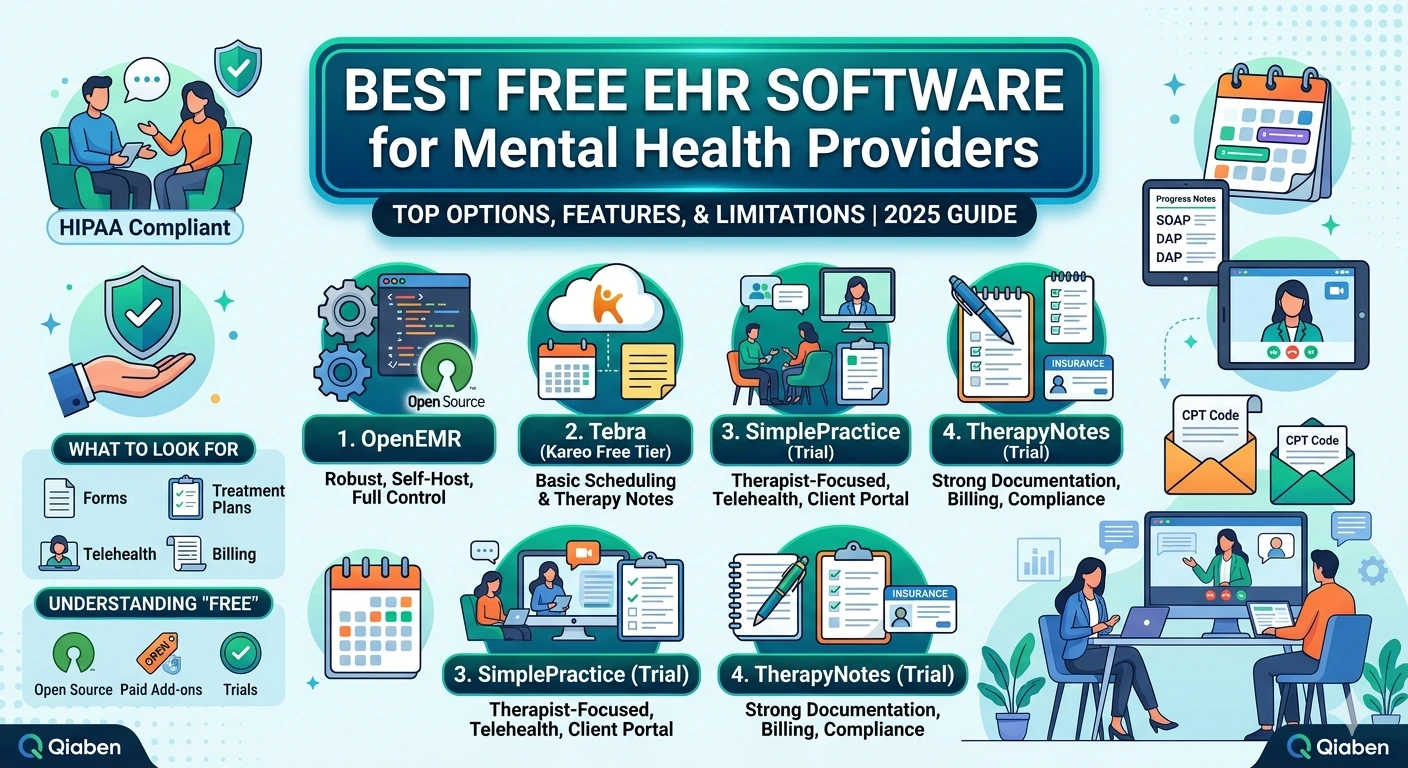
OpenEMR is a system people talk about a lot. Since it is open-source, it is free and you can change it how you like. Good for smaller places that do not want to pay crazy prices for software. Still, you have to ask:
Does OpenEMR follow HIPAA rules?
And most importantly, how secure is it for patient data?
Let’s put it simply.

Why Security & Compliance Matter in EMR Systems
Patient Trust: Healthcare providers are guardians of sensitive personal health information (PHI). A breach erodes trust and credibility.
Regulatory Requirements: Compliance with HIPAA, GDPR, and other data protection laws isn’t optional—it’s legally required.
Financial Stability: Non-compliance and data breaches can lead to heavy fines, operational downtime, and costly recovery efforts.
Revenue Cycle Protection: Secure systems ensure accurate billing, coding, and claims processing—reducing denials and optimizing the revenue cycle management in medical billing.
Is OpenEMR HIPAA Compliant?
If you’re using an EMR system, HIPAA wants to know:
* Who has access to the info?
* Who looked at what (there should be logs)
* Is the data encrypted?
* Is there a data breach reporting system?
But here’s the deal: it’s not just the software that matters. It’s how you use it. Things can go incorrect, even with a secure EMR, if your clinic isn’t set up properly.

OpenEMR Compared to Paid EMR Systems
Some clinics go for well-known EMR providers that promise ready-to-go solutions. These usually include built-in HIPAA stuff and customer help.
But they can be super pricey, charge extra for every little thing, and might not let you change the system to fit your needs.
OpenEMR is different. Since it’s open-source, you get to:
Control everything about how it’s set up
Add only the features you want
Keep more of your money by skipping licensing fees
But this freedom means you have to take responsibility. You need to keep your system safe with things like firewalls, secure hosting, user roles, and backups. Your team or a vendor you trust needs to handle these.
Example:
A clinic in California switched to OpenEMR to save cash and make their work easier. But after half a year, they had a data problem — and it wasn’t OpenEMR’s fault. Their server permissions weren’t set correctly.
They called in a compliance expert and fixed their system. Now, they’re HIPAA compliant and way happier with OpenEMR than their old software.

Why Cloud Hosting Is Usually Safer for Your Data
Where you keep your data matters a lot for security.
Keeping your EMR system on your own server might sound smart, but what if the power goes out, or your equipment breaks? You could lose everything.
Cloud hosting, if set up well, usually gives you better security, backups, and uptime.
Companies like Qiaben offer cloud hosting for OpenEMR that follows all the HIPAA rules. This means:
Your data is encrypted.
The systems are watched all day, every day.
Updates and backups happen regularly.
The best part? You still own your data! Some commercial EMR companies don’t let you do that; they charge crazy fees to get your own data back.

What About Rules Around the World? (Like GDPR or ISO)
HIPAA is a U.S. thing, but other countries have their own rules.
If you see patients from other countries or want to expand, you’ll need to think about stuff like:
GDPR (in Europe)
PIPEDA (in Canada)
ISO 27001 (it’s a global security standard)
OpenEMR can be set up to handle all of this.
For example, GDPR says patients need to give permission, and they can ask you to delete or send their info. You can set up OpenEMR to do that.
Qiaben helps clinics in different countries set up OpenEMR to follow the local rules, not just HIPAA.
It’s Very Important to Train Your Staff
Even the most secure EMR can be a problem if your team doesn’t actually know how to use it.
Basic stuff, like sharing passwords or getting phished, can lead to big problems.
Compliance is not just a matter of having the proper software. It’s also simply about respecting privacy and developing healthy security habits.
With Qiaben, we can implement secure OpenEMR systems for you, and we can train your staff in:
Basic safety stuff
Password tips
How to spot phishing and other threats

Compliance Benefits of OpenEMR
HIPAA Compliance
By design, OpenEMR helps organizations adhere to HIPAA guidelines—covering administrative, physical, and technical safeguards.Meaningful Use Certification
OpenEMR is ONC certified, meeting the requirements for Meaningful Use incentives in the U.S.International Data Regulations
For providers outside the U.S., OpenEMR can be configured to align with GDPR and local data privacy regulations.Customizable Security Policies
Healthcare practices can adjust settings to align with their internal compliance policies and industry requirements.

FAQs
Does OpenEMR come ready and complete with fully HIPAA-compatible support?
Well, OpenEMR must be properly setup and hosted and secured in a manner the follows HIPAA guidelines, no.
What HIPAA capabilities are built into OpenEMR?
It supports access-control, encryption, password policies and logs for user activity.
Is isn’t possible that OpenEMR is more secure that a paid EMR?
Yes, it can, when properly setup and administered, OpenEMR can be just as secure as every paid EMR.
Would your data go with “cloud hosting” be better for OpenEMR?
OpenEMR systems are more secure, can be backed up and monitored, and are available more than 99% (uptime) of the time.
What if there’s a clinic that misconfigures OpenEMR?
Even if the software is great up to par, configuration can lead you to non-compliance and potentially data breaches.