How to Train Your Employees for Effective Dental Billing Processes in 2025
Dental billing is no longer a clerical task—it is today a critical function with immediate ramifications on revenue, compliance, and patient satisfaction. Misfiled claims, late submissions, or unbilled staff who don’t know about new CDT codes can cost practices thousands of dollars a year. That is why investing in formal training for your dental billing personnel is one of the smartest things that a practice can do in 2025 and beyond.
This in-depth guide covers methods, equipment, and best practices you can use to train your employees for the best dental billing practices. From one-site practices to growing DSOs (dental support organizations), the right training will enable you to reduce denials, streamline workflows, and realize more collections.

Why Dental Billing Training Is Essential
Dental billing is just making claims, getting paid, reconciling—well, it’s one of the toughest practice management fields, actually. Insurance rules are constantly changing, CDT codes are updated annually, and patients’ demands for billing transparency just keep growing.
Well-trained, staff eliminates:
- Unacceptably high denial rates due to coding errors or lack of documentation.
- Delays in payment from insurers.
- Regulatory threats for HIPAA, No Surprises Act, and payers.
- Aggravated patients who have no idea what they’re saying or paying out-of-pocket
Training ensures that employees can:
- Work dental billing software and practice management systems with ease.
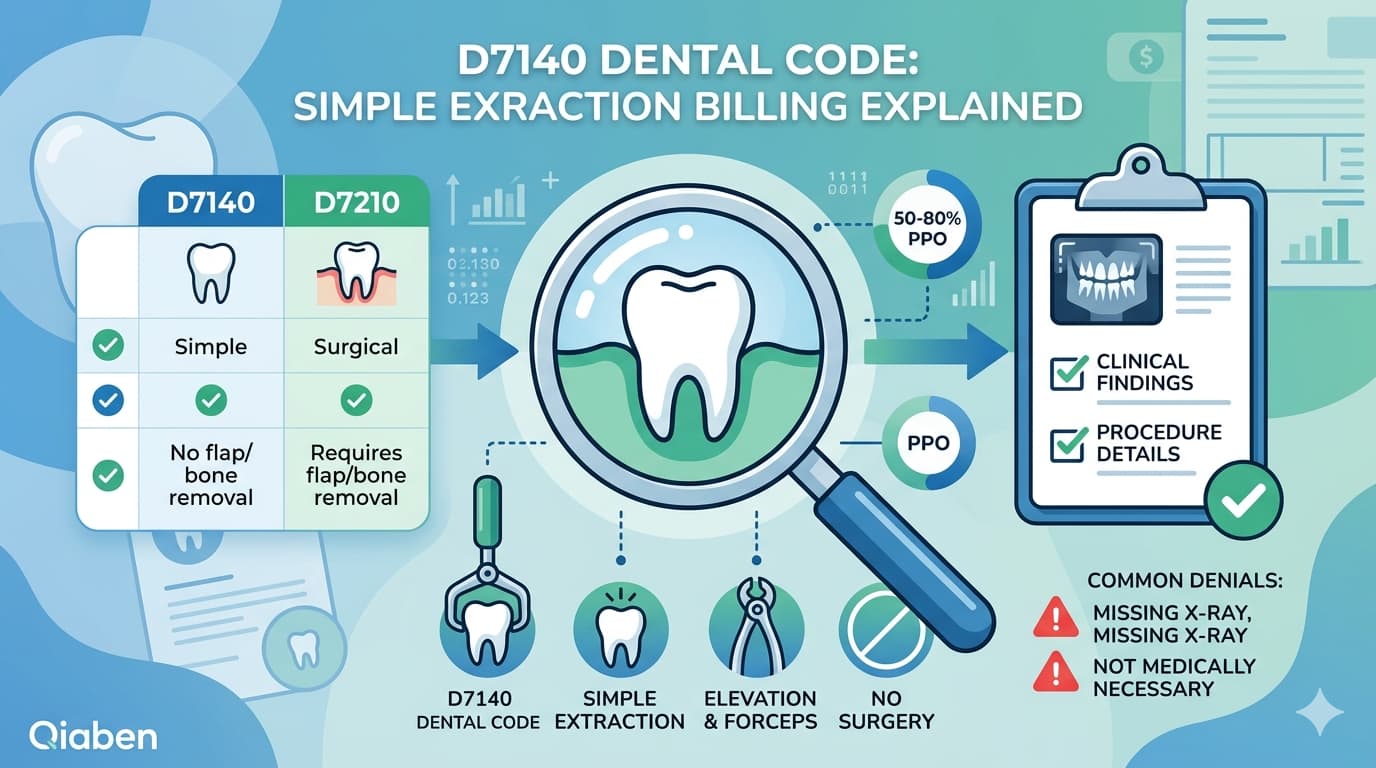
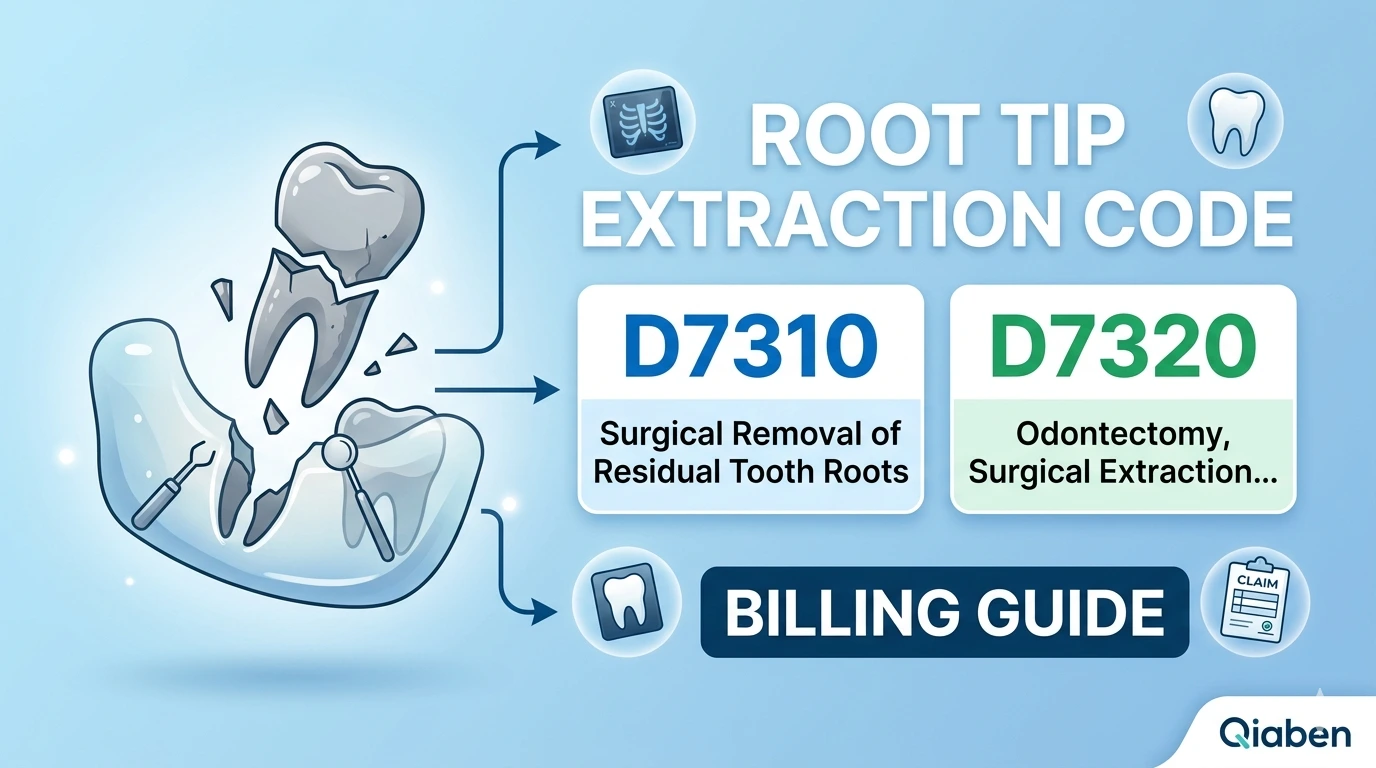
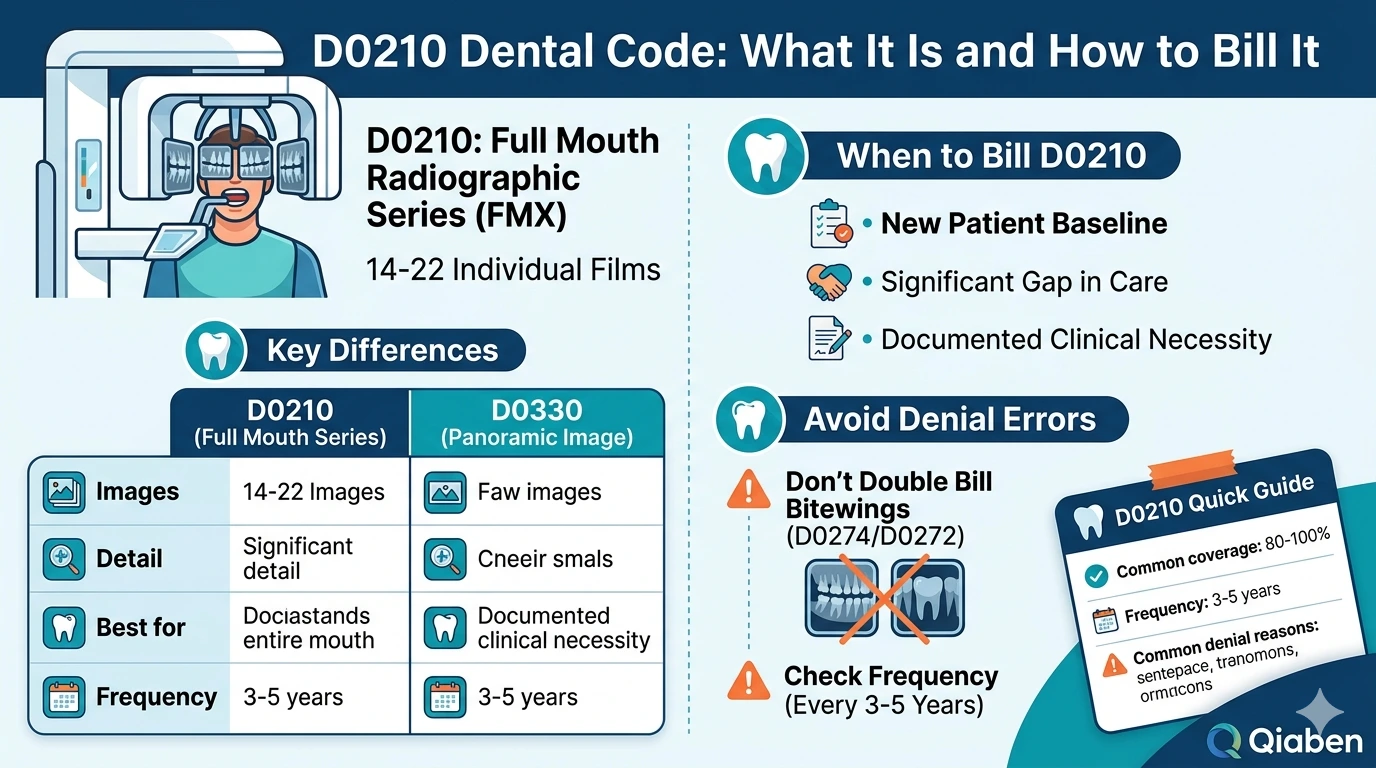
- Accurately apply CDT and ADA codes.
- Be aware of payor policies and submission rules.
- Handle denials and appeals in an effective manner.
- Communicate effectively to patients about their bill.
- Plain and simple: properly trained billing staff keeps your practice financially healthy and your patients happy.

The Must-Have Training Topics Every Dental Billing Team Needs to Know
When creating your team’s training program, it’s essential to address the following topics:
1. Billing Workflow & Best Practices
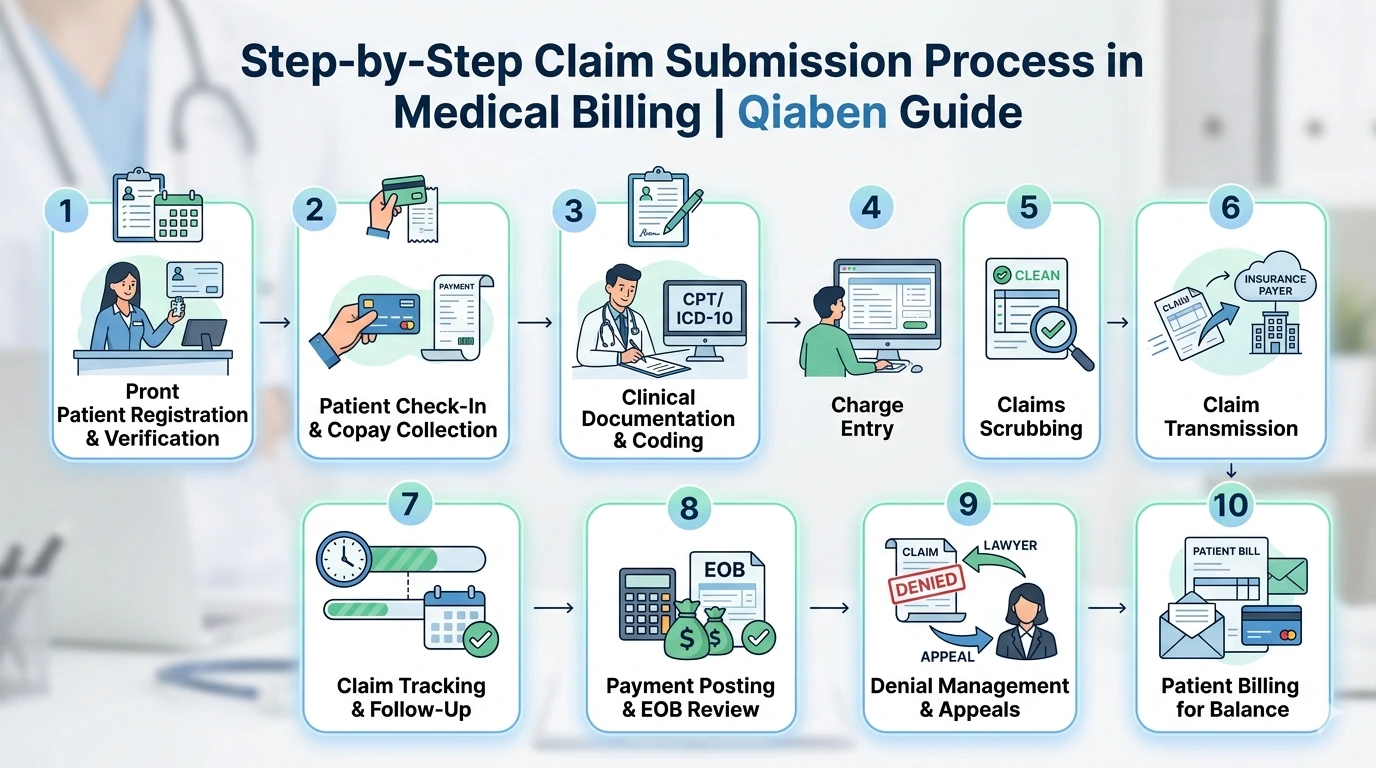
All staff members should know how claims flow through your system, from patient check-in to payment. This would include eligibility checks, treatment plan estimates, claim submissions, and posting payments. A well-defined workflow keeps all the tasks from falling through the cracks.
2. Mastering Dental Software
Billing is software-based. Training should include:
- Entering treatment plans properly.
- Running insurance aging reports.
- Posting payments and adjustments.
- Creating financial performance dashboards
Even experienced billers can overlook utilizing functionalities of your PMS or EHR system. Software mastery translates into efficiency and accuracy.
3. CDT Coding & Annual Updates
The ADA publishes new CDT codes annually. A slight deviation in a single code can make the difference between a paid claim and a denial claim. Teams need to:
- Become up to date with new and removed codes.
- Learn requirements for documentation of certain procedures.
- Know medical vs. dental coding differences for crossover claims
4. Insurance Payer Policies & Rules
Each payer is unique. Training should prepare staff to:
- Read explanation of benefits (EOBs).
- Monitor frequent causes of denial by payer.
- Make changes on claims for various networks (PPO, Medicaid, etc.).
- Be aware of state and federal policy changes
5. Denial & Appeal Management
No matter how accurate your staff is, denials will occur. The key is to understand how to respond in a timely manner. Training needs to include:
- Denial patterns recognition.
- The use of templated appeal letters.
- Tracking resubmissions and responses.
- Escalating appeals as needed
6.Compliance & Security
HIPAA, GDPR, and regulations require billing information to be kept secure. Staff must be trained in:
- Responsible handling of patient information.
- Use of secure communication lines.
- Compliance with the No Surprises Act’s transparency requirements.
Training Formats That Get Results
Training is not a one-size-fits-all solution. To generate sustainable outcomes, exercises must integrate multiple learning styles:
Workshops & Boot Camps:
Hands-on activities where staff work through billing processes within a mock environment.
Online Courses & Webinars:
Easy-to-use solutions on issues like CDT revision, denials management, or HIPAA training.
Certification Programs:
Certifications like Certified Dental Billing Specialist (CDBS) confirm your staff’s competence and build confidence.
Peer-to-Peer Training:
New hires are trained by veteran billers, employing real-life scenarios and troubleshooting tips.
Mock Audits & Case Studies:
Mock audits allow employees to find errors and learn how to correct them before affecting revenue.
The use of live training combined with on-demand materials maintains training adaptable and accessible for all learning styles.
Building a Continuous Training Culture
One of the mistakes practices commit is equating training as one act. In reality, billing requires ongoing learning. Here’s how to establish a culture of ongoing learning:
Quarterly Code Review Sessions
Take time every quarter to review new CDT codes, payer rule changes, and common denial reasons.
Monthly KPI Review
Use billing dashboards to track first-pass claim rates, denial percentages, and aging accounts. Connect these metrics to training topics.
Team Knowledge-Sharing
Promote employees to talk about payer updates or coding information during regular meetings.
Annual Compliance Training
Refresh employee knowledge of HIPAA, GDPR, and the No Surprises Act.
Personal Development Plans
Provide for individual goals, including certification or advanced billing skills, and reward achievements.
Measuring the Impact of Training
Training only works if it makes a measurable difference. Procedures should track:
- Denial Rate– Reduction in denials after training means employees are coding more accurately.
- Days in A/R– Faster collections equate to improved claim handling and follow-up.
- Increased acceptance rates translate to fewer resubmissions.
- Patient Satisfaction – Decreasing complaints about billing point to patients getting clearer communication.
By tying training to performance, you can show:
ROI Areas where more focus is required.
Tools & Resources for Dental Billing Training
Below are some trusted resources that will take your training program to the next level:
- ADA CDT Code Book & Guides – An absolute necessity for annual updates.
- AAPC Courses– Comprehensive coding and billing certifications.
- Dental Claims Academy – Offers framework modules and mentorship.
- Dental Zing Webinars – Live and recorded webinars on billing and coding subjects.
- Practice Management Software Tutorials – Many vendors offer free training videos and certification courses.
- Having internal resources and external tools creates a balanced training environment.
Creating a Training Roadmap
An effective billing training process does not have to be complicated. Here is an example roadmap:
Month 1: Complete current billing performance audit; identify gaps.
Month 2: Perform a billing boot camp on workflow basics.
Month 3: Start software mastery classes.
Quarter 2: Add CDT update training and denial management seminars.
Quarter 3: Focus on payer-specific rules and compliance.
Quarter 4: Conduct mock audit and review yearly performance metrics.
Your staff will have core and advanced knowledge at year’s end.
Preparing for the Future of Dental Billing
Billing is evolving rapidly. Offices must prepare their staff for emerging trends such as:
- AI-driven claim scrubbing to avoid mistakes prior to submission.
- Cloud billing solutions for remote employees.
- Virtual consult codes for teledentistry billing.
- Blockchain pilots for open claims.
- Training your existing staff to embrace these technologies ensures that your practice won’t fall behind tomorrow.
Conclusion
Staff
education for effective dental billing processes is one of the most impactful
investments you can make in 2025. It’s not simply about denials reduction—it
builds trust, boosts patients’ trust, ensures compliance, and ultimately boosts
revenue.
By tackling the most important billing areas, through the use of numerous types of training, by tracking results with KPIs, and staying up-to-date on emerging trends, your practice can create a high-performing billing department ready for tomorrow.
We at Qiaben Health can help you create billing systems that work—from software integration to staff training and KPI tracking. If you’re ready to take billing performance to the next level, we can guide you through it step by step.