Introduction
OpenEMR remains one of the most trusted and widely used open-source electronic medical record systems in 2025. Its strong feature set, flexibility, and low cost make it a preferred choice for clinics, hospitals, and independent providers worldwide. In this guide, we break down OpenEMR’s essential functions, show how you can customize it, and explain why it continues to be a powerful tool in today’s fast-paced healthcare environment. Whether you’re a solo provider or part of a large organization, understanding OpenEMR’s capabilities can help you make the most of your investment.
What is OpenEMR?
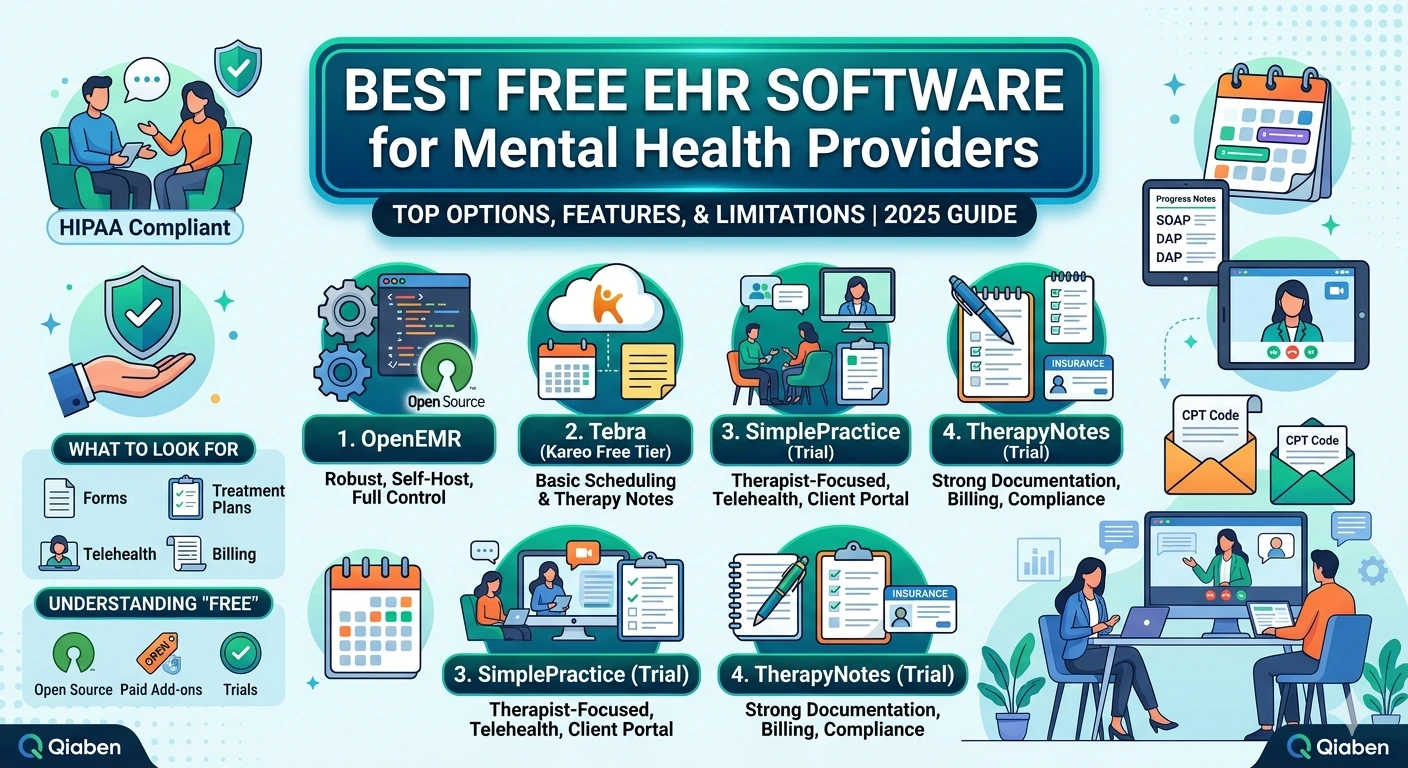
OpenEMR is an open-source electronic health record system designed for managing patient data, scheduling, billing, and overall clinical workflows. It is certified by the Office of the National Coordinator for Health Information Technology (ONC). This means it meets strict federal standards for security, privacy, and interoperability.
Because it is open-source, practices can avoid expensive licensing fees and customize the system to match their workflows. A strong global community continuously supports and improves OpenEMR to keep it secure, modern, and reliable.
Core Features of OpenEMR
Patient Management.
Patient management is the foundation of any EMR system. OpenEMR makes it easy to register new patients, track demographics, and manage appointments. It keeps a complete history of treatments and procedures. Helpful tools like appointment reminders can reduce no-shows and improve patient engagement.
Electronic Medical Records (EMR)
OpenEMR provides a clear, organized view of a patient’s medical history. Providers can create SOAP notes, track encounters, document treatment plans, and record diagnoses. You can also review charts, lab results, and immunization records in one place. These features help providers make faster and more accurate clinical decisions.
Medical Billing and Coding
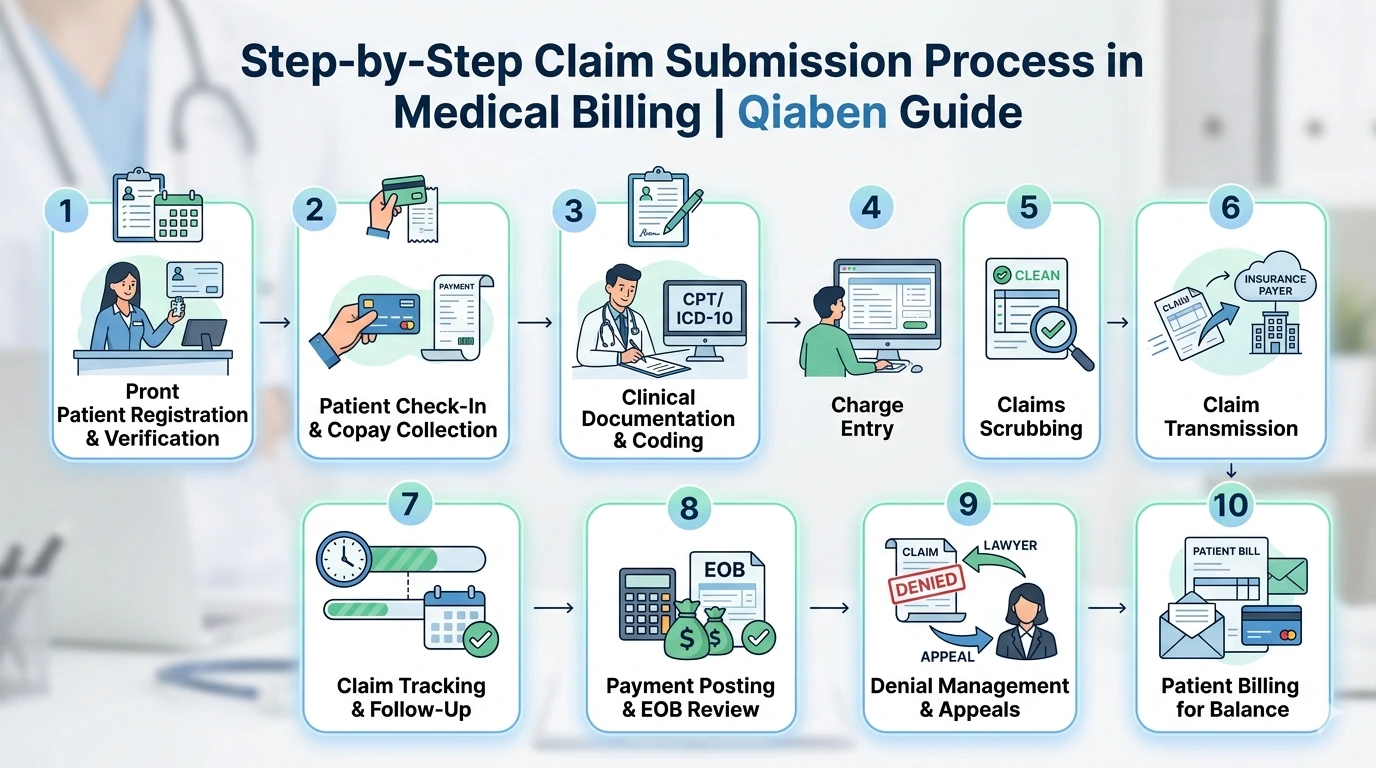
The billing module supports CPT, ICD-10, and HCPCS codes. You can submit electronic claims, track their status, and manage denials with ease. OpenEMR integrates with major clearinghouses and adapts well to both small clinics and large multi-provider groups. Its built-in tools help streamline the entire revenue cycle.
Security and Compliance
Patient data security is non-negotiable, and OpenEMR doesn’t take any chances. It uses role-based access controls to limit who gets to see and modify information. All of this is logged for auditing purposes, and data transmitted over the wire gets encrypted. These give you the level of assurance you require to be compliant with HIPAA and other regulations so you can focus on care without worrying about data breaches.
Prescription and Pharmacy Management
OpenEMR simplifies prescribing with electronic prescription tools. Providers can send prescriptions directly to pharmacies. The system checks drug interactions, medication histories, and dosage risks. Patients can also receive prescription details through the patient portal, which keeps them better informed.
Reporting and Analytics
OpenEMR offers powerful reporting tools that help you understand your practice’s performance. You can generate clinical summaries, patient statistics, and financial reports. Custom reports let you track the metrics that matter most to your organization. This makes it easier to improve workflows and patient outcomes.
Multilingual and Multi-facility Support
If your practice serves diverse communities or operates across multiple locations, OpenEMR makes management simple. It supports several languages and allows you to handle multiple facilities from a single system. This benefits large healthcare networks and clinics with multicultural patient populations.
Customization and Integration Options
Customizability is one of OpenEMR’s strongest advantages. You can tailor the interface, add modules, or integrate third-party tools through APIs. Whether you need lab integration, imaging software, or telemedicine features, OpenEMR can adapt. Specialty practices such as dermatology, pediatrics, and dentistry can configure the system to match their unique workflows.
Advantages of Using OpenEMR
OpenEMR has several major benefits. It is free to use, which reduces long-term software costs for clinics and non-profit organizations. It is also scalable, so it grows with your practice—from a single provider to a large healthcare system.
Its active developer community keeps the platform updated with new features and modern healthcare technologies. Patient engagement increases through online scheduling, portals, and easy access to medical records. This leads to stronger provider-patient relationships and better outcomes.
Limitations and Considerations
No system is perfect, and OpenEMR has a learning curve for users who are new to EMRs. Setup and customization may require technical skills or vendor support. Practices are also responsible for updates and maintenance unless they choose a managed hosting provider.
However, once configured, most practices find that OpenEMR’s benefits far outweigh its challenges. Training, community support, and documentation help reduce the learning curve.
Use Cases by Specialty
OpenEMR works well across a wide range of medical specialties.
Dermatology: Image management and progress tracking.
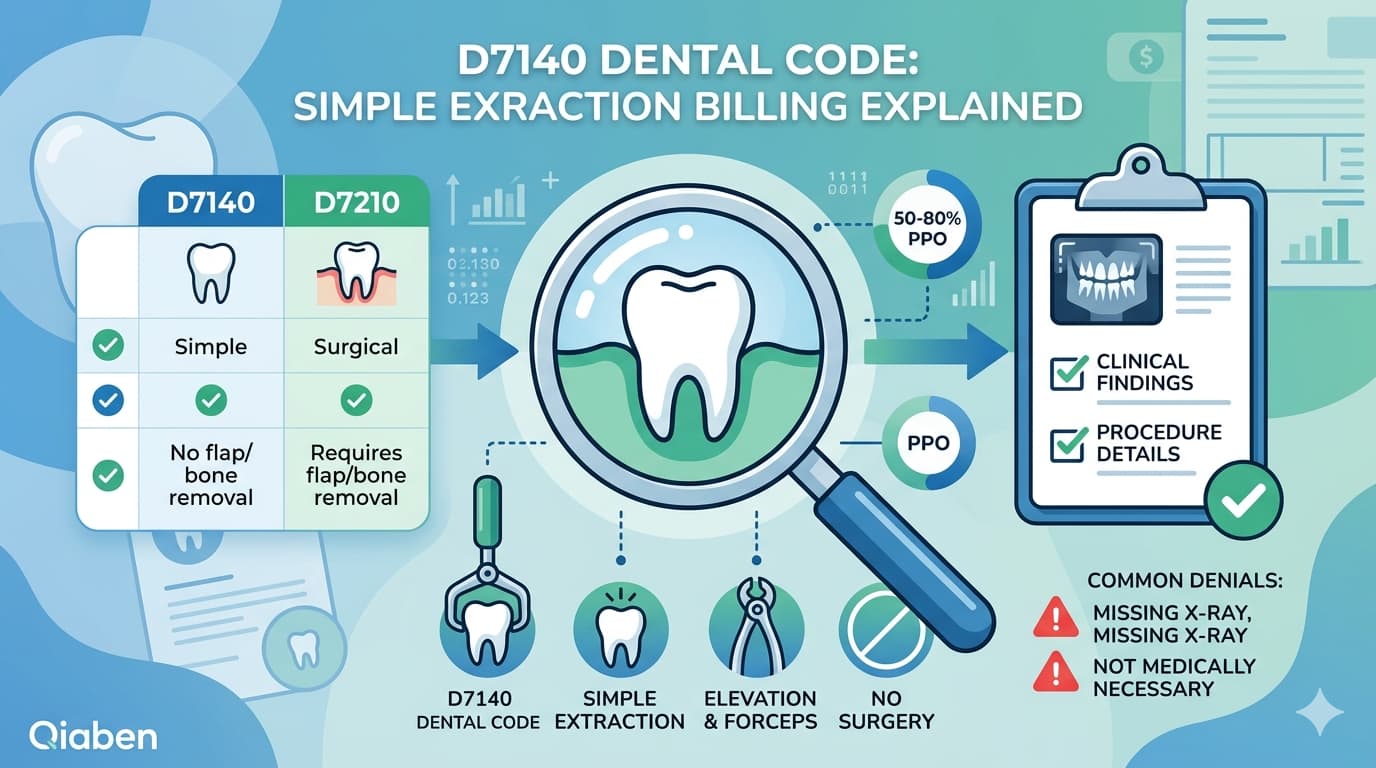
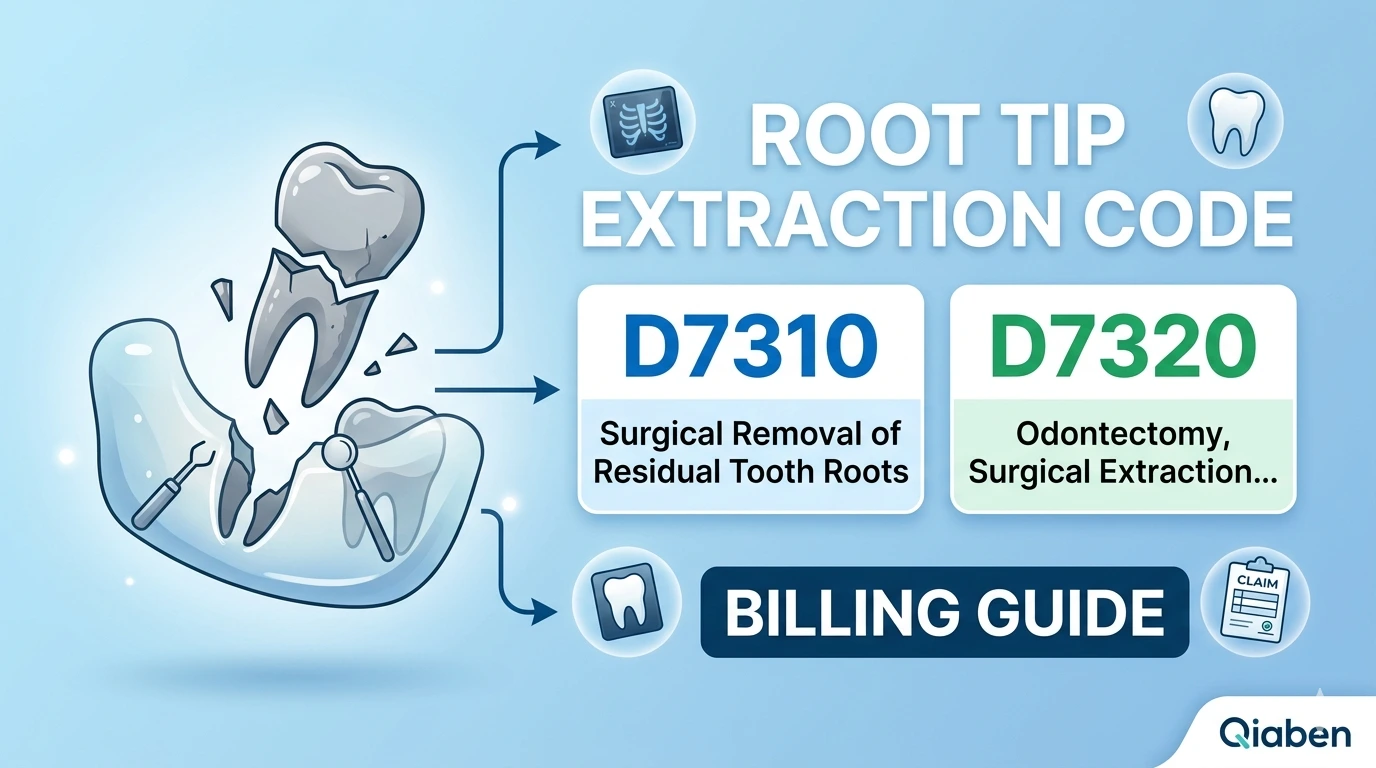
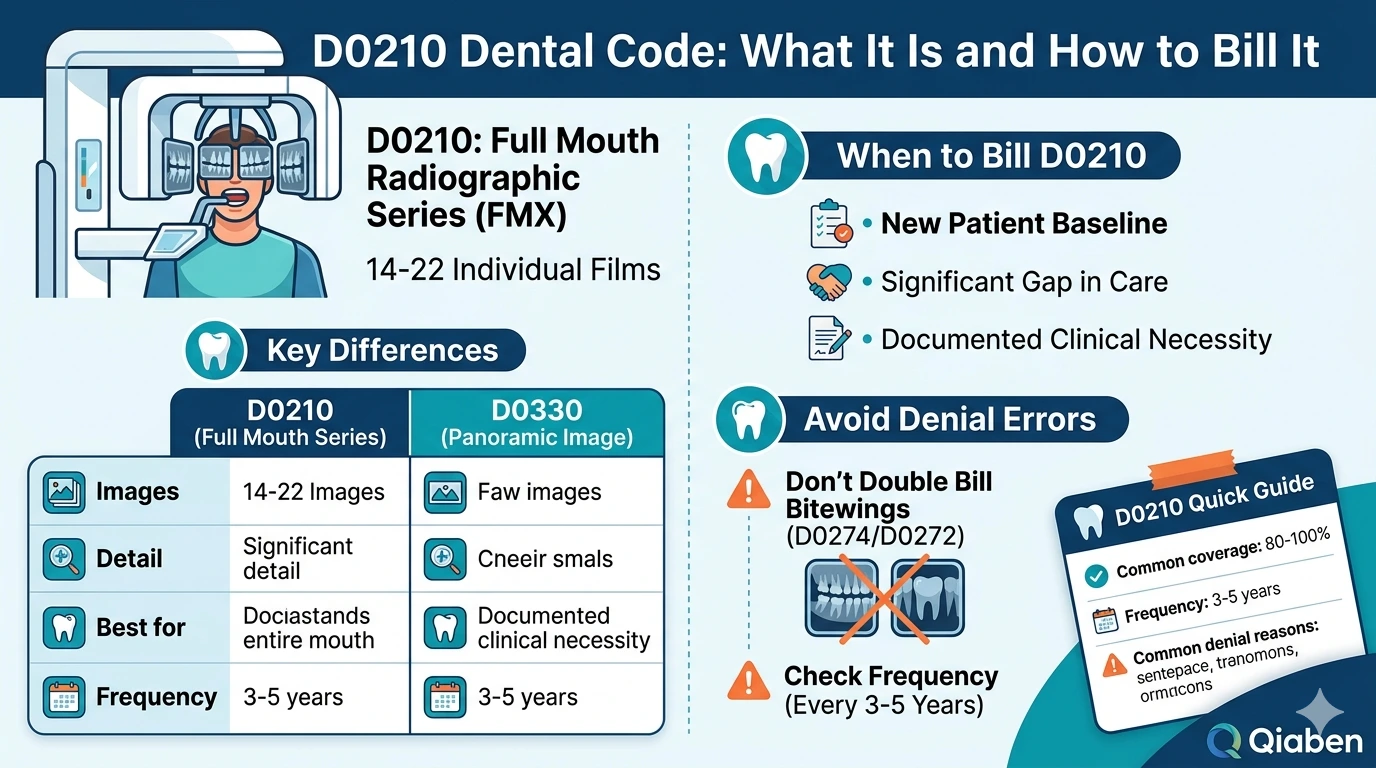
Dentistry: Dental charting and procedure-specific billing codes.
Pediatrics: Immunization schedules and growth charts.
Because the system is flexible, almost any specialty can adapt it to match clinical workflows.
Conclusion
OpenEMR is a powerful, customizable, and cost-effective solution for managing electronic health records in 2025. From patient management and billing to reporting and security, it offers all the tools healthcare providers need to run an efficient and modern practice. As the healthcare industry continues to evolve, OpenEMR remains a smart choice for organizations looking for control, flexibility, and long-term value.