Today, the healthcare industry is growing very rapidly. Insurance regulations are becoming more complex, coding standards are frequently updated, and the reimbursement process is becoming stricter. Because of these changes, healthcare providers must maintain accurate and efficient billing systems to ensure smooth financial operations.
In this environment, every medical specialties requires strong and specialized billing support. A general billing system cannot effectively handle the unique requirements of different medical departments. Each specialty has its own treatment methods, documentation styles, coding standards, and insurance policies. Therefore, using a single billing approach for all specialties may lead to errors, claim denials, and revenue loss.
This is why Complete Specialty-Based Medical Billing Solutions have become essential for healthcare organizations. Many professional billing companies now provide customized services designed specifically for different medical specialties. Organizations such as Qiaben Health Care offer specialized billing solutions that help healthcare providers manage their revenue cycle efficiently

What is Medical Specialties Billing?
Medical specialties billing refers to the process of handling billing separately for each hospital department based on the type of medical treatment they provide. In a hospital, every department operates differently and follows specific procedures.
For example,
cardiology focuses on heart-related treatments, while orthopaedics deals with bone and joint conditions. Paediatrics provides care for infants and children, whereas neurology treats disorders related to the brain and nervous system. Emergency medicine manages urgent and critical cases, general surgery performs various surgical procedures, and anaesthesiology focuses on administering anaesthesia and managing pain during operations.
Because each department performs different procedures and treatments, they use different medical codes, documentation formats, and insurance guidelines. As a result, a single billing approach cannot effectively support all departments. Each medical specialty requires a dedicated billing process designed according to its unique requirements.

Unique Billing Requirements in Medical Specialties
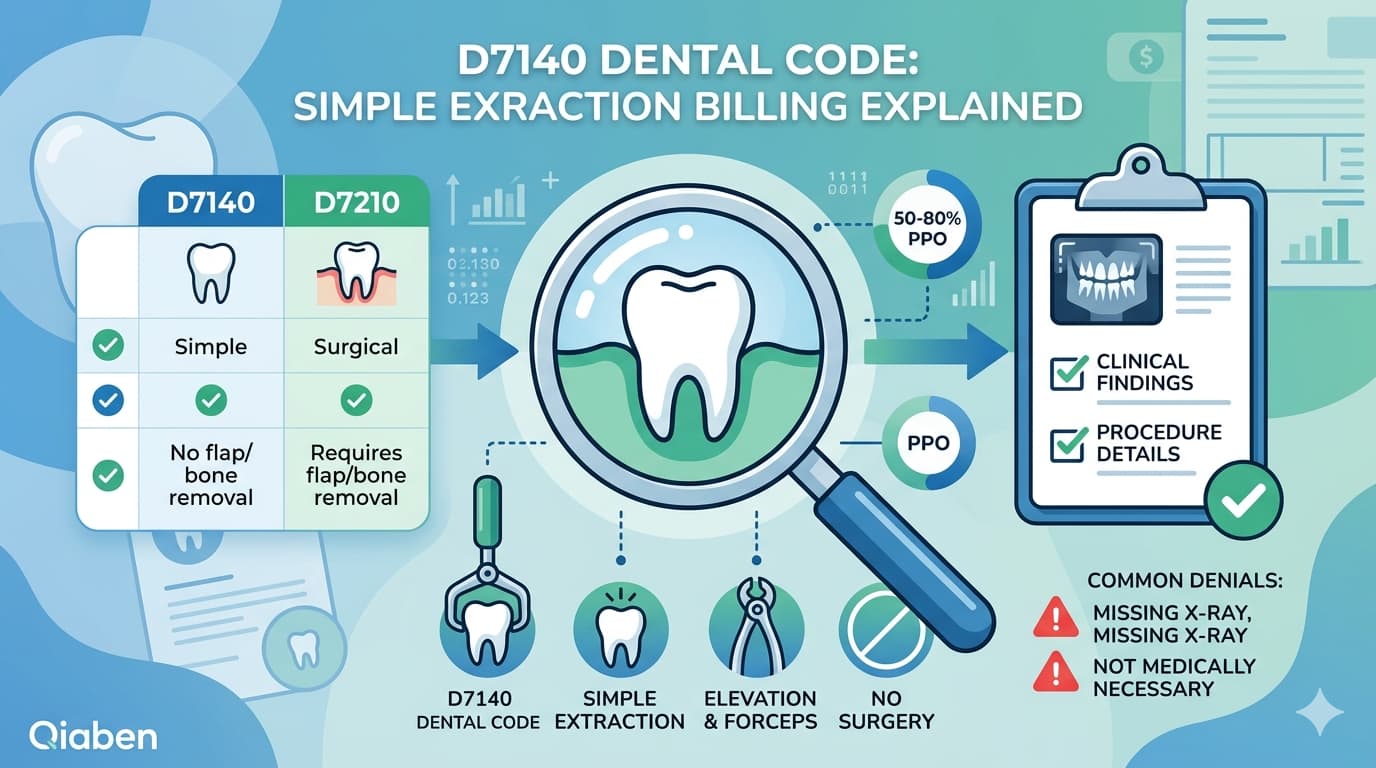
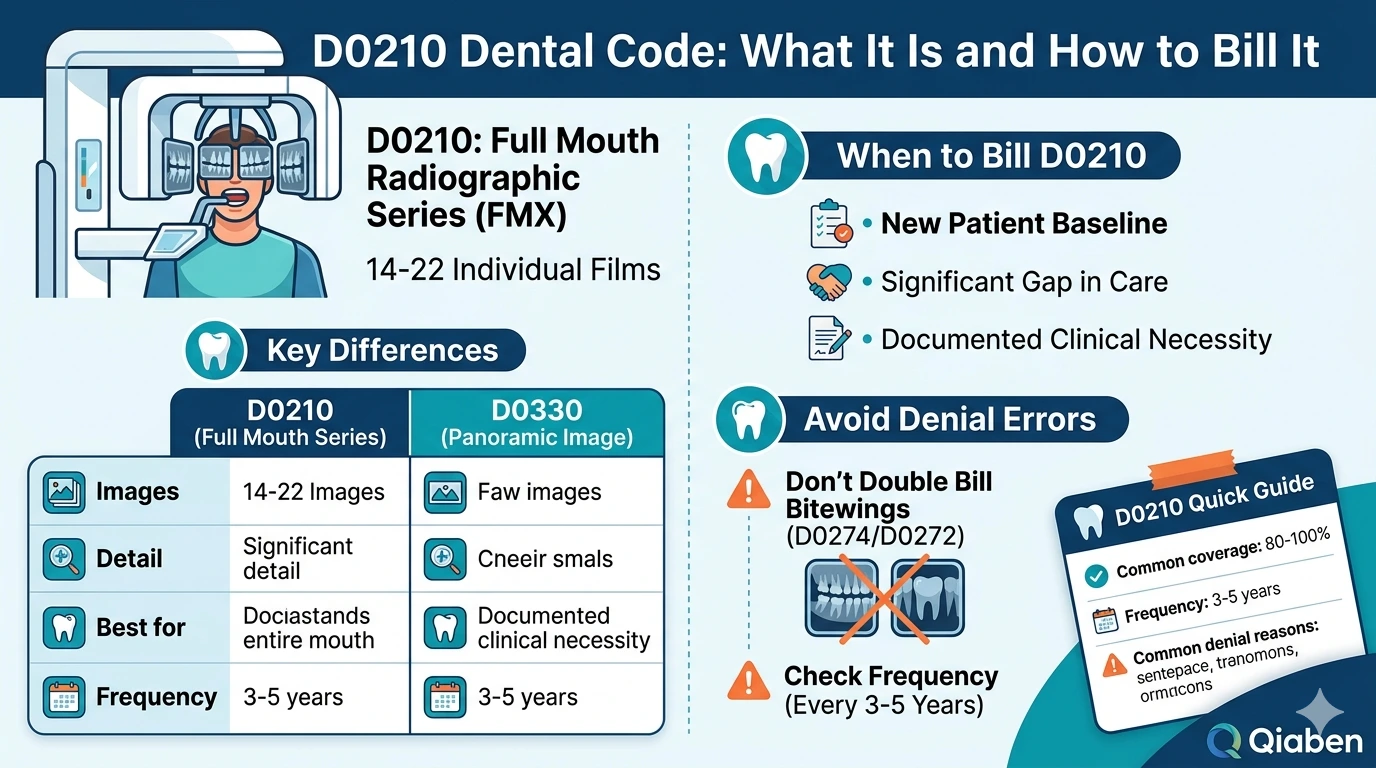
Every medical specialties has specific billing requirements that must be carefully managed. One of the most important aspects is the use of accurate CPT procedure codes, which differ depending on the type of treatment performed in each specialty.
In addition to procedure codes, healthcare providers must also ensure proper ICD-10 diagnosis mapping, where the diagnosis codes are correctly linked to the procedures performed. Accurate mapping is essential for claim approval and reimbursement.
Another important factor is clinical documentation, which varies across departments. Each specialty follows its own reporting standards and documentation formats to support the medical procedures performed.
Furthermore, insurance billing policies may differ depending on the payer and the medical specialties involved. Pre-authorizations, coverage limitations, and reimbursement guidelines can vary significantly, making specialized billing knowledge essential.
Why Do Medical Specialties Need Complete Billing Solutions?
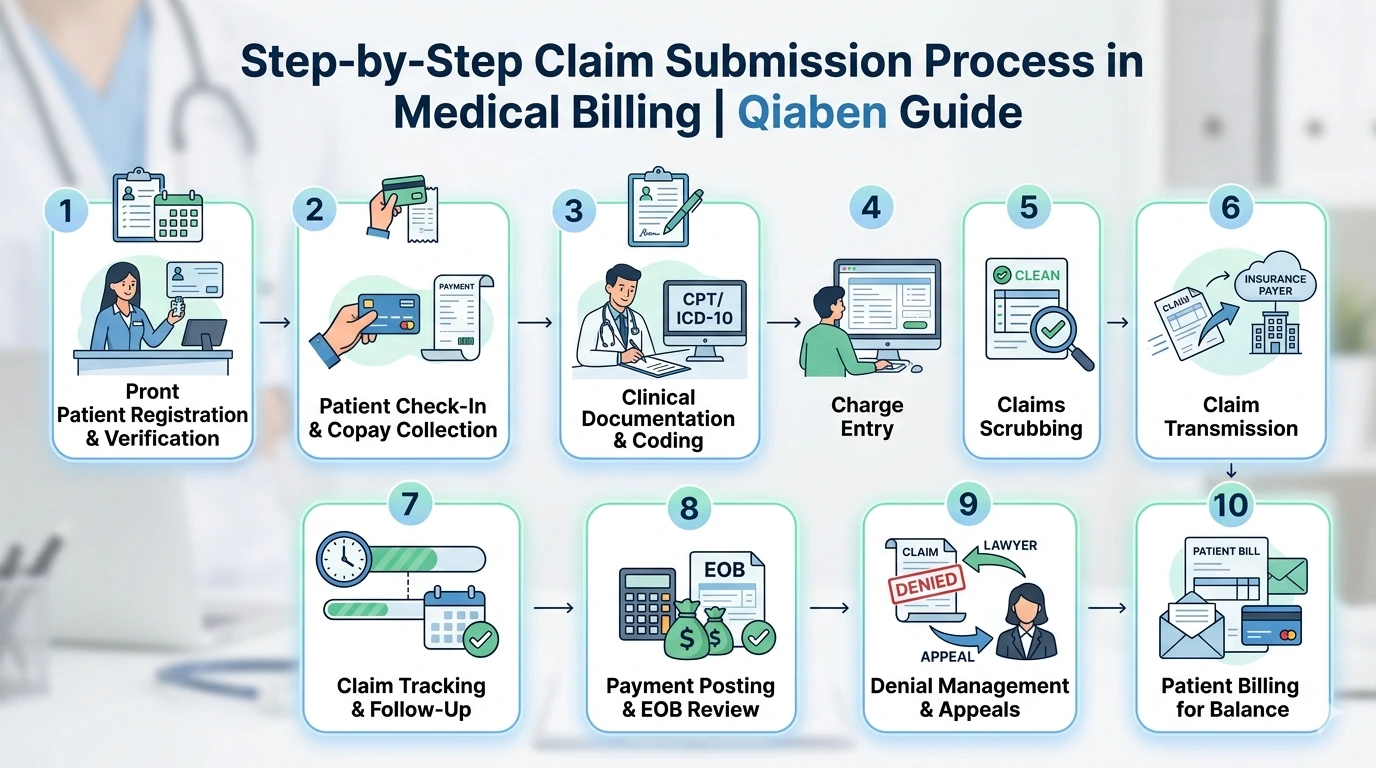
- A complete billing solution involves more than simply submitting claims. It includes managing the entire revenue cycle process from the beginning of patient registration to the final
reimbursement. - The process usually starts with insurance verification, where the patient’s insurance eligibility is checked before treatment begins. If pre-authorization is required for a specific procedure, it must be obtained in advance to avoid claim rejections.
- Next comes specialty-based medical coding, where trained coders assign accurate CPT and ICD codes based on the procedures performed and the diagnosis recorded. Staying updated with the latest coding changes is essential to maintain compliance and avoid errors.
- After coding, clean claim submission becomes the next critical step. Proper claim formatting and correct modifiers ensure that claims are processed smoothly by insurance providers without unnecessary delays.
- Once claims are submitted, Accounts Receivable (AR) follow-up plays an important role in tracking pending payments. Billing teams regularly monitor unpaid claims and follow up with insurance companies to ensure timely reimbursement.
- In cases where claims are rejected, denial management becomes necessary. Billing specialists carefully analyse the reason for rejection, whether it is due to coding errors, incomplete documentation, missing authorization, or payer-specific policy issues. After identifying the problem, corrections are made and the claim is resubmitted quickly to recover the revenue.
- Finally, reporting and performance tracking help healthcare organizations monitor their financial performance. Specialty-wise reports allow management teams to evaluate revenue trends and make informed operational decisions.
Financial Impact on Medical Specialties
- When a specialty-based billing system is properly implemented, healthcare organizations can experience significant financial improvements. Claim rejection rates decrease because procedures and diagnoses are coded accurately. The number of Accounts Receivable (AR) days is reduced, allowing healthcare providers to receive payments faster.
- Additionally, revenue leakage is minimized since billing processes become more structured and controlled. As a result, overall cash flow improves and compliance risks are reduced, helping healthcare organizations maintain financial stability.
Benefits for Multi-Specialty Hospitals
- Multi-specialty hospitals often manage several departments with different billing requirements. Handling billing internally for every department can create multiple operational challenges, including high employee salaries, ongoing training costs, software updates, and strict compliance monitoring.
- By adopting specialized billing solutions, hospitals can reduce administrative burdens and allow healthcare professionals to focus more on patient care rather than complex billing operations.
Conclusion
- Complete Specialty-Based Medical Billing Solutions are more than just a billing service. They represent a comprehensive revenue management strategy tailored for each medical specialty.
- Healthcare providers that adopt specialty-focused billing systems can achieve fewer claim denials, faster reimbursements, and more stable cash flow. Ultimately, this approach supports long-term financial growth and operational efficiency.
- To build a future-ready healthcare system, implementing a specialty-based billing solution is an essential investment for healthcare organizations.
- For more information or professional billing support, contact our customer service experts at https://qiaben.com/specialties-2/ for efficient and timely assistance.