Operating a dental practice is about more than delivering outstanding patient care. Behind each successful practice stands a solid financial foundation—and that foundation is created through effective revenue cycle management (RCM).
If your practice struggles with delayed payments, claim denials, or unpredictable cash flow, you’re not alone. Many dentists find themselves stuck in the middle of patient care and complicated billing processes. That’s where Dental Revenue Cycle Management (Dental RCM) comes in.
In this blog, we’ll explore:
• What Dental RCM is and why it matters
• The step-by-step process of managing the dental revenue cycle
• Common challenges practices face with RCM
• How outsourcing RCM services can increase profitability
• Actionable tips to boost practice revenue with better RCM
By the end, you’ll understand how strong RCM practices don’t just manage billing—they can actually transform your practice’s growth and patient satisfaction.
What Is Dental Revenue Cycle Management (RCM)?
Dental revenue cycle management is the complete financial process of managing a patient’s experience from the time they schedule an appointment to when the practice gets paid in full for services.
Included are:
•Patient registration and insurance verification
•Coding and charge capture
•Claim submission and follow-ups
•Payment posting and collections
•Reporting and compliance
Consider RCM the financial pulse of your dental practice. If it’s streamlined, your cash flows in smoothly. If it’s not, slowdowns such as denials, write-offs, and late payments can drain your practice of cash flow.
Why Dental RCM Is Important to Your Practice
Solid RCM habits yield advantages well beyond billing. Here’s why it’s important:
- Quicker Payments
Insurers pay quicker when claims are coded properly and submitted promptly.
- Fewer Denials
A good RCM process eliminates claim denials due to mistakes or lacking details.
- Enhanced Patient Satisfaction
Patients receive transparent, advance estimates of their costs, minimizing surprise charges.
- Increased Cash Flow
Consistent revenue allows your practice to pay employees, invest in technology, and expand.
- Scalability
When your patient list expands, efficient RCM processes keep finances in check.
Without good RCM, practices face revenue leakage, irritated patients, and admin burnout
The Dental Revenue Cycle Process: Step by Step
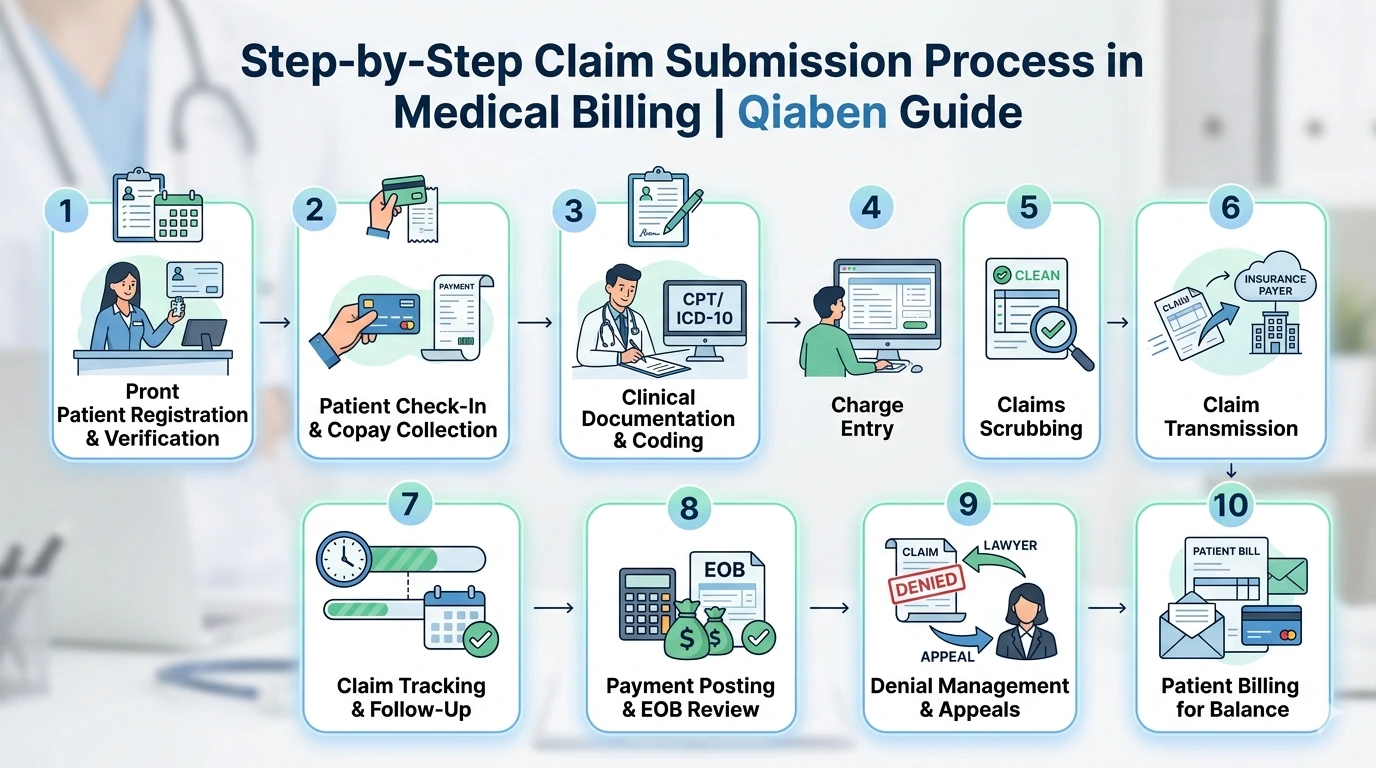
Here’s a closer examination of the RCM stages and how they affect your revenue:
1. Patient Registration & Insurance Verification
The process begins with precise data gathering—patient information, insurance, and eligibility. It avoids denials later on.
2. Treatment Planning & Cost Estimates
Giving patients the cost analyses (insurance + out-of-pocket estimates) establishes trust and maintains financial transparency.
3. Charge Capture & Coding
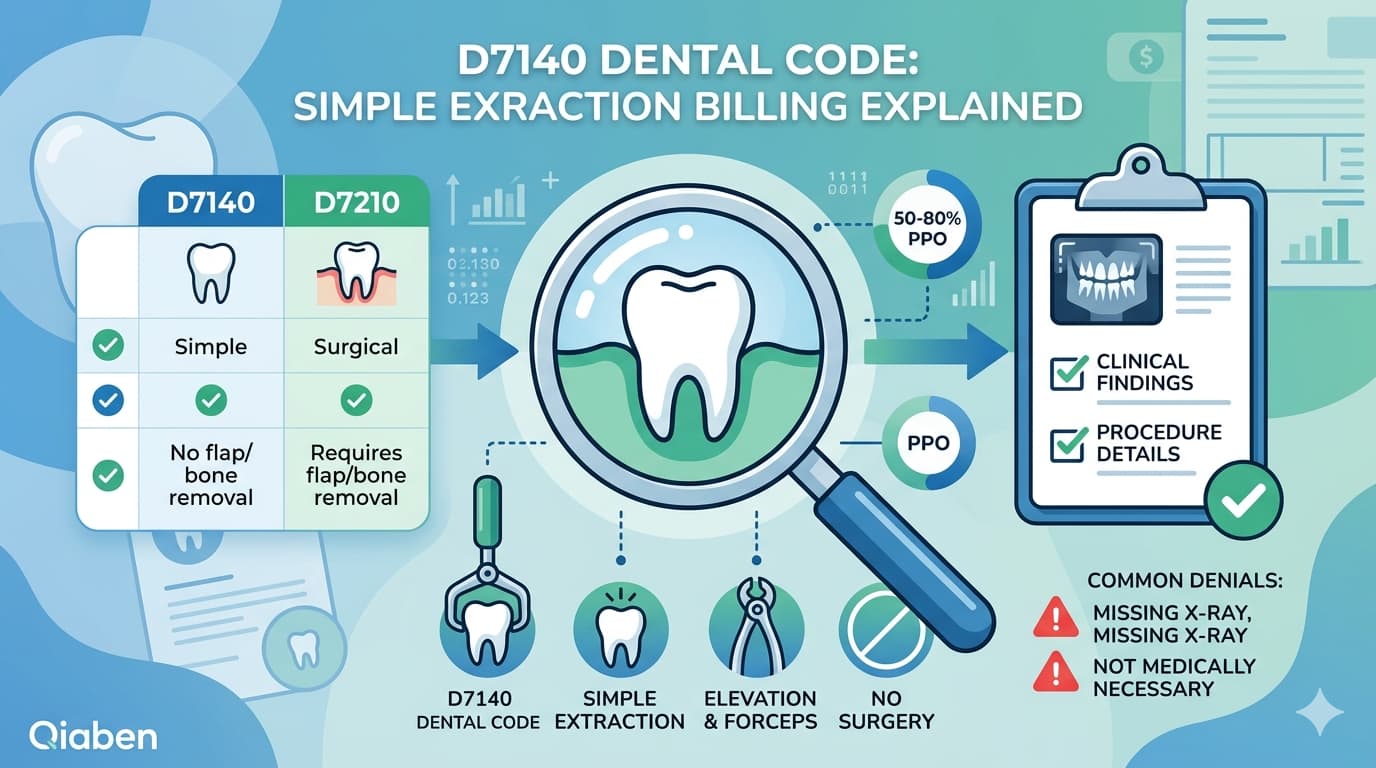
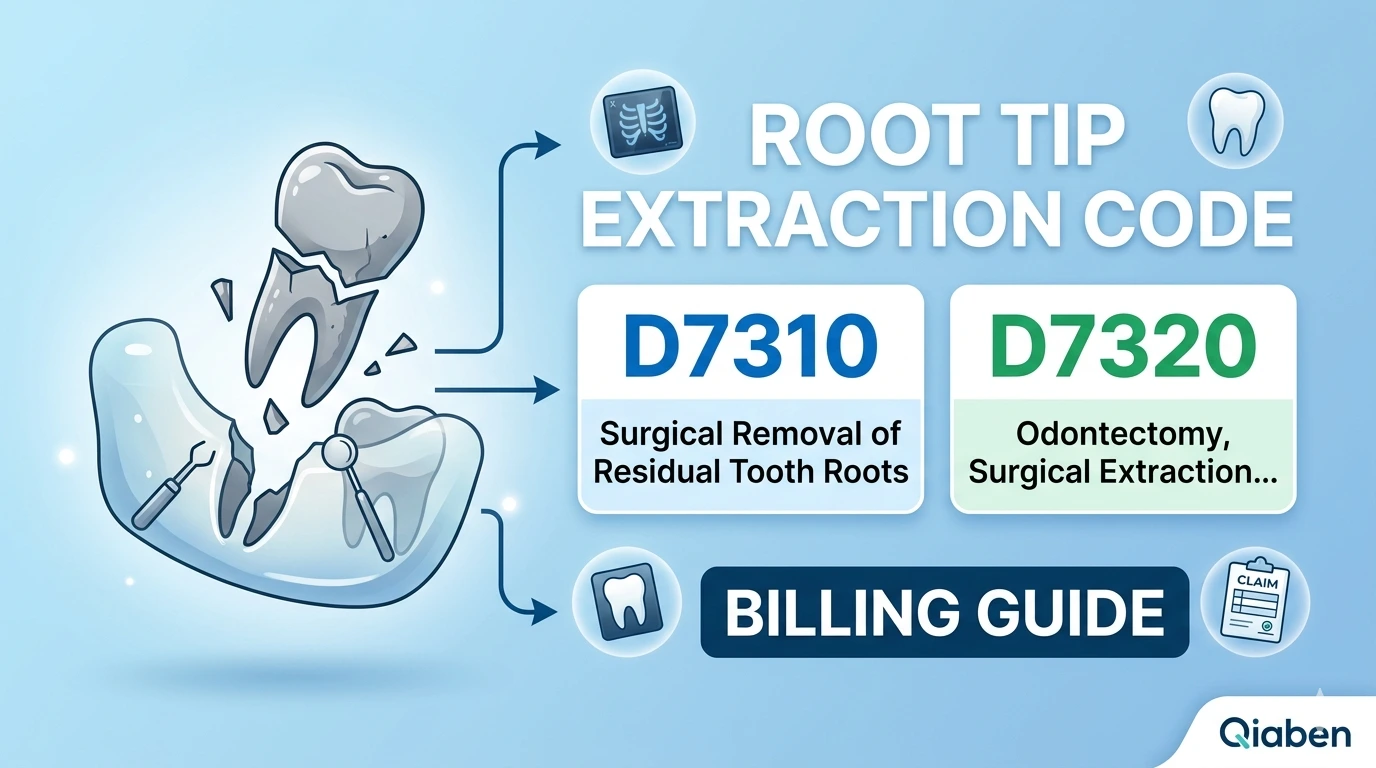
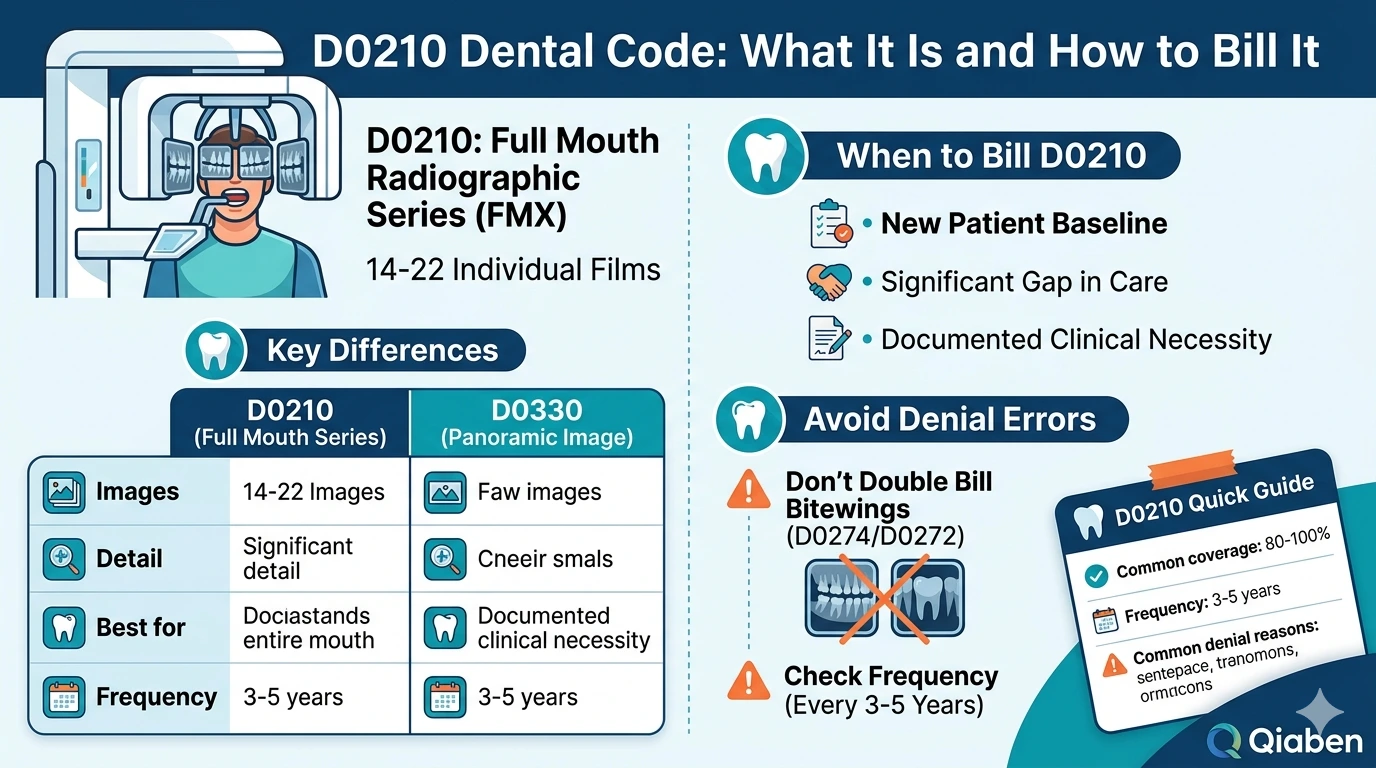
Accurate CDT codes are required on each procedure. Missteps on this are a primary reason claims are denied.
4. Claim Submission
Prompt submission of claims to insurers is essential. Every delay delays reimbursement.
5. Denial Management & Follow-Up
If there are denied or delayed claims, follow-up is necessary. Proper tracking prevents any revenue loss.
6. Payment Posting
After insurers or patients have paid, payments are posted against accounts to complete the loop.
7. Patient Collections
Balances owed are collected from patients in a professional, transparent fashion.
8. Analytics & Reporting
Collection rate reports, denial explanations, and financial trends inform better decisions.
RCM Challenges in Dental Offices
All practices encounter barriers in their revenue cycle, even established ones. Some of the largest challenges include:
• High claim denial rates due to coding discrepancies or lack of verification
• Payment delays by patients and insurers
• Uncollected patient balances and revenue leakage
• Front-office staff administrative burden
• Patient financial responsibility without transparency
All of these problems can snowball over time, damaging your bottom line and your patient experience.
How Outsourced Dental RCM Services Increase Revenue
RCM outsourcing to specialized professionals is on the rise. Here’s why:
1. Dental Billing & Coding Expertise
RCM vendors are equipped to manage complicated dental insurance policies and CDT codes, minimizing denials.
2. Staff Time Savings
Your front office staff can dedicate time to patient care rather than constant billing activities.
3. Improved Cash Flow
RCM specialists ensure claims are submitted timely and followed up quickly.
4. High-Tech Solutions
Many RCM vendors employ AI-based tools to monitor claims and identify issues sooner.
5. Scalable Solutions
As your practice expands, your RCM services can expand with you without necessitating additional in-house employees.
Practices that outsource tend to experience a 10–30% jump in rates of revenue collection in the first year.
Actionable Tips to Improve Dental RCM in Your Practice
Even in the absence of outsourcing, you can strengthen your RCM process with these measures:
1. Prioritize Insurance Verification
Verify insurance eligibility before every appointment. Use computerized verification software to save time.
2. Train Staff on CDT Codes
Continual training prevents costly coding mistakes and keeps your staff up-to-date with annual CDT changes.
3. Set Clear Payment Policies
Notify patients directly about payment requirements and offer creative payment plans.
4. Follow Denials Closely
Monitor denials and spot trends. Correct recurring mistakes to avoid future rejection.
5. Leverage Technology
Use dental practice management systems with integrated RCM tools to track and report in real time.
6. Partial Outsourcing Is Available
While you may not outsource the whole cycle, you can outsource high-volume or complex activities like follow-up claims.
Measuring RCM Success: Key Metrics to Monitor
To know if your RCM is actually growing revenue, track these numbers:
• Clean Claim Rate (CCR): Proportion of claims accepted on initial submission
• Days in Accounts Receivable (AR): Days to collect payment average
• Denial Rate: Proportion of denied or rejected claims
• Collection Rate: Proportion of billed revenue collected
• Patient Payment Compliance: Proportion of patients paying their balances on time
Elevating these metrics regularly indicates your revenue cycle is healthy.
Future of Dental RCM: Trends to Watch
The future of dental billing is evolving. Some of the most significant trends are:
• Automation & AI in claim submission and denial detection
• Patient-centered billing tools for better transparency
• Integration with teledentistry services
• Data-driven analytics for financial decisions
Early adopters of these trends will be competitive and profitable.
Final Thoughts
Your dental practice can’t thrive without a healthy revenue cycle. Dental revenue cycle management isn’t just about billing—it’s about creating a strong financial foundation that supports growth, patient trust, and long-term success.
By investing in RCM—either through upgraded in-house processes or outsourced experts—you can:
•Reduce denials
•Accelerate reimbursements
•Improve patient satisfaction
•Grow overall revenue
Ultimately, a good RCM strategy doesn’t just pay your bills—it drives your practice’s future.