Being a small dental practice owner is rewarding and challenging. Not only do dentists deliver outstanding care, but they also handle business functions, employees, and patient relations. One thing that often causes small practices undue stress is dental billing and coding. Claim submission mistakes, slow reimbursements, and complicated insurance regulations can drain cash flow and place unnecessary pressure on the staff.
Fortunately, outsourcing or leveraging professional dental billing and coding services offers an efficient solution. These services are designed to streamline claims, reduce denials, and improve collections, allowing small practices to focus on patient care while staying profitable.
In this blog, we’ll explore why billing and coding are so important, the top services available, and how small dental practices can benefit from professional support.
Why Dental Billing and Coding Matter to Small Practices
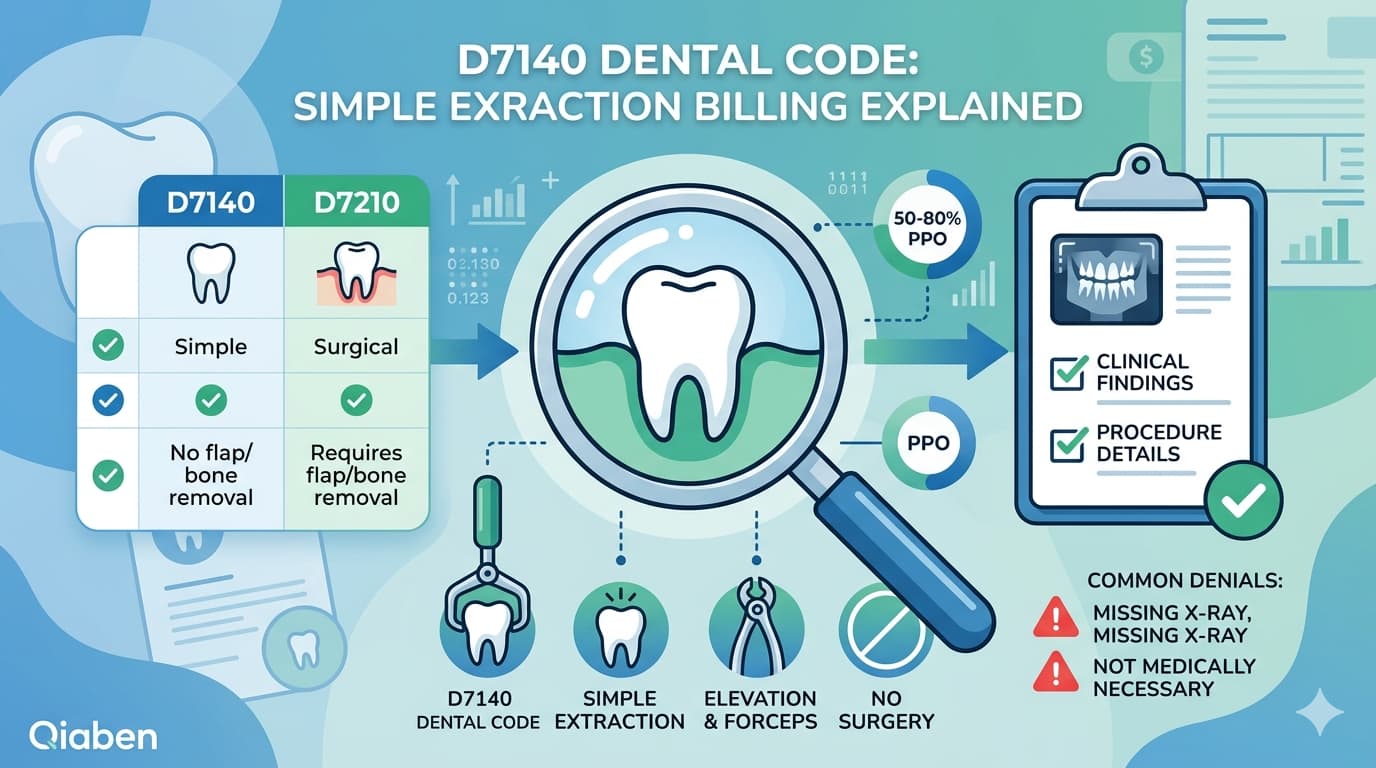
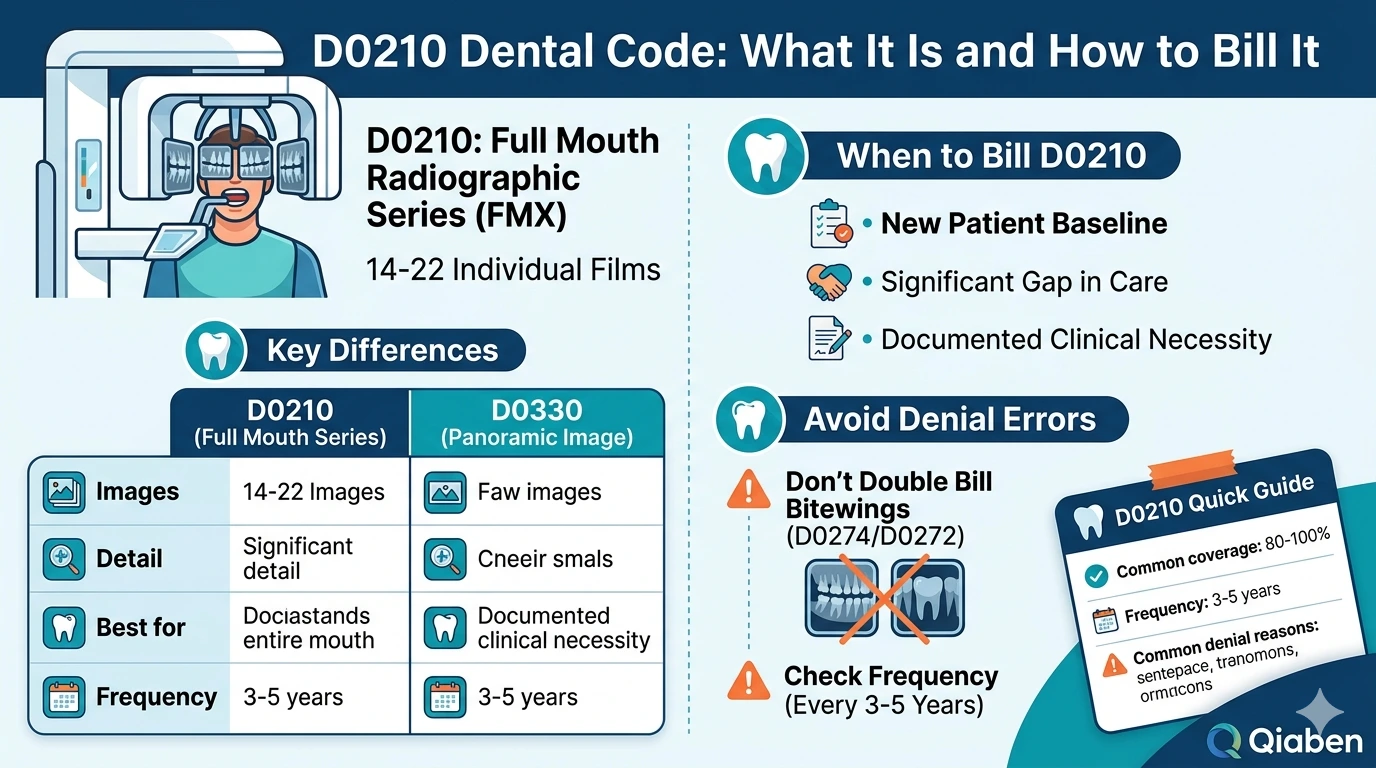
Dental billing is more than just mailing bills. It is verifying insurance, utilizing correct CDT (Current Dental Terminology) codes, submitting claims to payers, and collecting reimbursement. Any small coding or documentation mistake will result in denial of claim or weeks of hold-up.
For small practices, every dollar counts. Inefficient billing not only impacts revenue but also burdens already strained staff. With the help of experts in dental coding and billing, practices can eliminate errors, save time, and generate reliable cash flow.
Best Dental Billing and Coding Services for Small Practices
The below are the key services that all small dental practices should either outsource or embrace with professional help:
1. Insurance Eligibility Verification
Even before the patient takes a seat in the chair, his/her insurance coverage needs to be checked. Eligibility verification services prevent surprises, reduce claim denials, and inform patients of their financial responsibility upfront.
2. Accurate Dental Coding
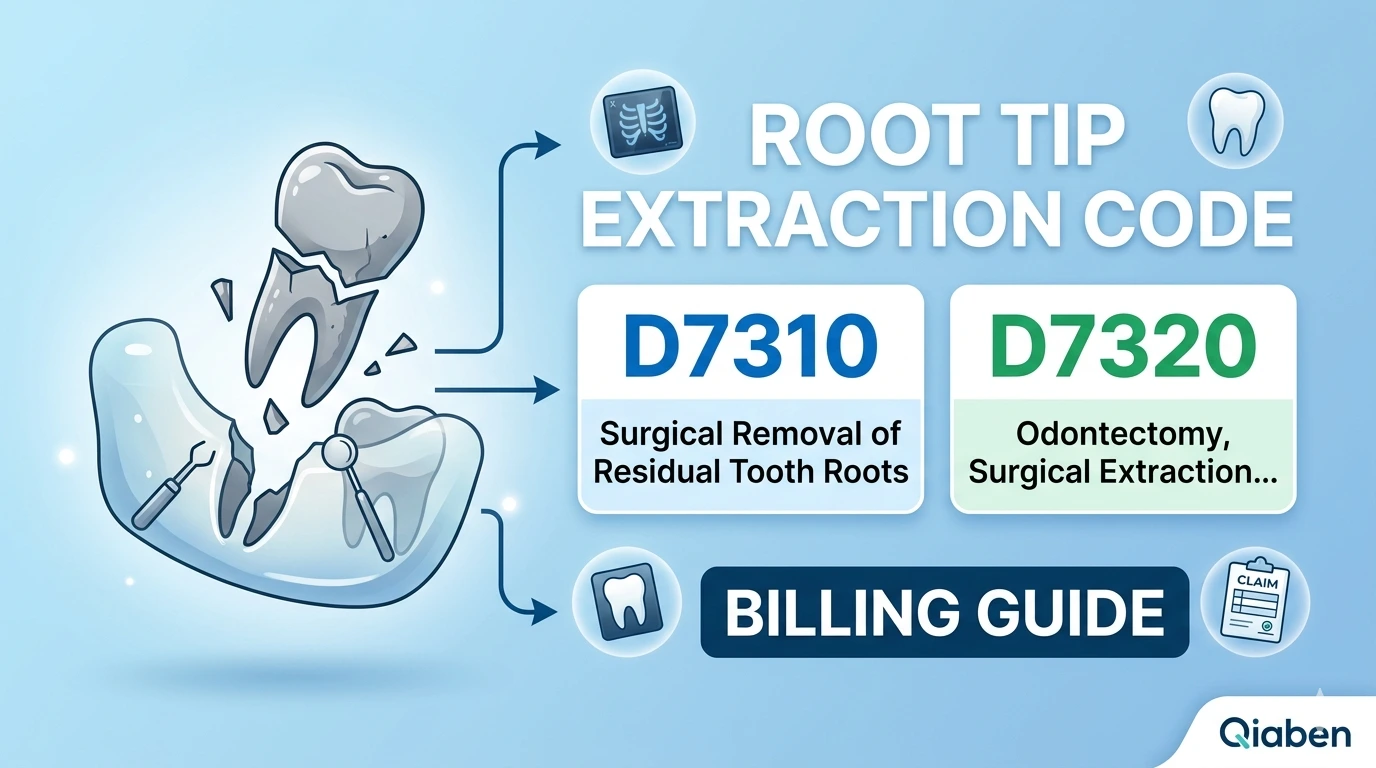
Professional coding services ensure that each treatment is recorded with the correct CDT code. Trained coders accurately read clinical notes, preventing costly errors and increasing the likelihood of insurance approval.
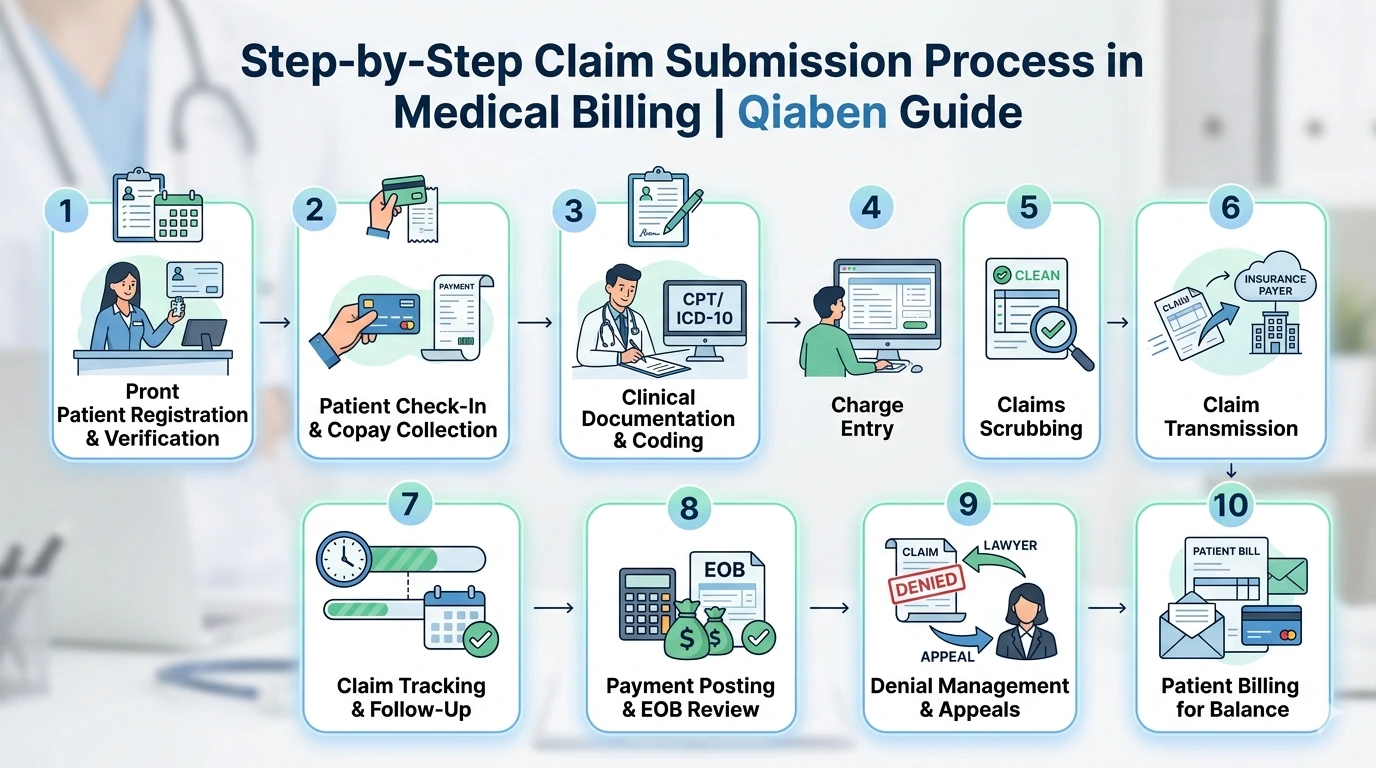
3. Claim Submission and Tracking
Outsourcing billing operations oversees electronic claim submission, thus guaranteeing documentation accuracy and completeness. Additionally, they track claim status and pursue rejected or pending claims, thus reducing administrative workloads on in-house staff.
4. Denial Management and Appeals
Denied claims are a common issue for small practices. Dental billing services review the reason for denial, correct errors, and resubmit the claims on time. Persistence enables them to recover funds that would otherwise be lost.
5. Payment Posting and Reconciliation
Accurate posting of insurance payments and patient payments keeps clean accounts. Billing partners reconcile accounts to detect discrepancies and have underpayment go unreported.
6. Patient Billing and Statements
Simple, unambiguous patient statements increase trust and lower confusion. Patient billing can handle invoicing, send reminders, and even provide online payment to make collection more convenient.
7. Revenue Cycle Reporting
Financial reports on a monthly and quarterly basis provide dentists with information on their revenue cycle. These reports point to collection rates, accounts receivable aging, and trends that can inform business decision-making.
Why Small Practices Benefit the Most from Outsourcing
Larger practices tend to have their own billing departments, but small practices simply don’t have the same capabilities. In smaller offices, employees usually play a multi-role job of front desk duties, patient communication, scheduling, and billing—all concurrently. This puts them at a higher risk of delays and mistakes.
Having their dental billing and coding outsourced allows small practices to be able to compete with big clinics without the extra cost of employing new staff through access to professional know-how, advanced billing equipment, and full-time claim follow-up.
Keeping billing specialists on payroll and training them is expensive for small practices. Outsourcing is less expensive. The practice only pays for the service they need, not the extra costs of salaries, benefits, or training. Outsourcing in most cases leads to higher collections, which pay for the cost of the service many times over.
Choosing the Correct Dental Billing and Coding Partner
Not all billing firms are created equal. Small practices must look for the following when choosing a partner:
•Experience in dental practices, not medical billing in general
•CDT code expertise and yearly updates
•HIPAA compliance and good data security
•Low and transparent pricing with no surprises
•Proven track record of reimbursement growth
•Good customer service and reporting capabilities
Asking for client references and reviewing case studies will help identify good partners.
Technology in Dental Billing and Coding
The best billing firms use modern tools to automate. Cloud billing provides for real-time remote monitoring of claim data and financial reports by the practice. Some companies even provide AI-driven claim scrubbing, which checks coding or documentation errors before submission, reducing denials.
All these developments render outsourcing more valuable for small practices looking to maximize efficiency without excessive overhead costs.
The Impact on Patient Satisfaction
Billing errors hurt not only top-line revenue but also patient trust. A patient receiving a surprise statement or late bill may become upset and less likely to return. Professional billing and coding solutions improve accuracy and transparency, with patients completely aware of their coverage and out-of-pocket costs.
In small practices, where word of mouth is the basis for referrals, efficient billing can even affect reputation and retention.
Final Thoughts
For small offices, billing and coding in-house simply leads to stress, inefficiencies, and dollars lost. Through outsourcing or the aid of experts, dentists can rest assured that claims are correct, compliant, and paid in a timely manner.
The best dental billing and coding programs provide insurance verification, accurate CDT coding, denial management, payment posting, patient invoicing, and thorough financial reporting—all tailored to meet smaller practices’ needs. With the help of professionals, dentists can focus on giving great care while keeping the practice’s financial health intact.