Most clinics don’t decide to switch EHRs on a whim. It usually happens after months of frustration slow charts, poor reporting, billing friction, or staff saying, “There has to be a better way.”
What surprises many teams is that choosing the new EHR is often the easy part. The real risk sits in the migration itself. When data moves from one system to another, small missteps can quietly create clinical gaps, billing delays, and workflow chaos that linger long after go-live.
This guide is written for clinics planning a transition and wanting to avoid those hidden traps based on what’s actually happening in the market right now.

Why EHR migrations feel harder than expected
On paper, EHRs are designed to improve care and efficiency. In practice, the data migration phase is where most projects stumble. Clinics face different formats, incomplete records, and systems that don’t “talk” to each other the way sales demos promise.
When data moves from one EHR product to another, three challenges come up again and again:
- Data isn’t structured the same way in both systems
- Older records don’t transfer cleanly
- Staff workflows change overnight
These are common EHR data migration challenges in healthcare, and they’re rarely solved by technology alone.
The pitfalls that cause the most damage
One of the biggest mistakes clinics make is trying to move everything. Years of inactive charts, outdated templates, and unused data get pulled into the new system. That slows migration and increases error risk. Most successful transitions focus first on active patients, recent clinical notes, medications, and balances. Historical records can remain archived and accessed only when needed.
Another common issue is assuming existing data is clean. In reality, most EHRs contain duplicates, outdated providers, and old insurance profiles. When that data migrates untouched, the new system inherits the same problems sometimes worse. A little cleanup beforehand saves weeks of rework later.
Scanned documents and free-text notes also create problems. Clinics expect them to behave like structured data, but they don’t. Without clear planning, you lose searchability and reporting power. This is where many teams underestimate the difference between “data transferred” and “data usable.”
Data mapping is another quiet trouble spot. Default mappings rarely line up perfectly. Fields that look similar may not function the same way. Clinics that skip manual review often discover missing allergies, broken problem lists, or billing fields in the wrong place weeks after go-live.
Testing matters more than most teams expect. One test migration is rarely enough. Different patient types, payer setups, and workflows behave differently. Multiple test runs catch issues early — before they affect real patients or claims.
Where billing teams feel the impact first
Clinical teams usually notice documentation changes. Billing teams feel migration issues immediately.
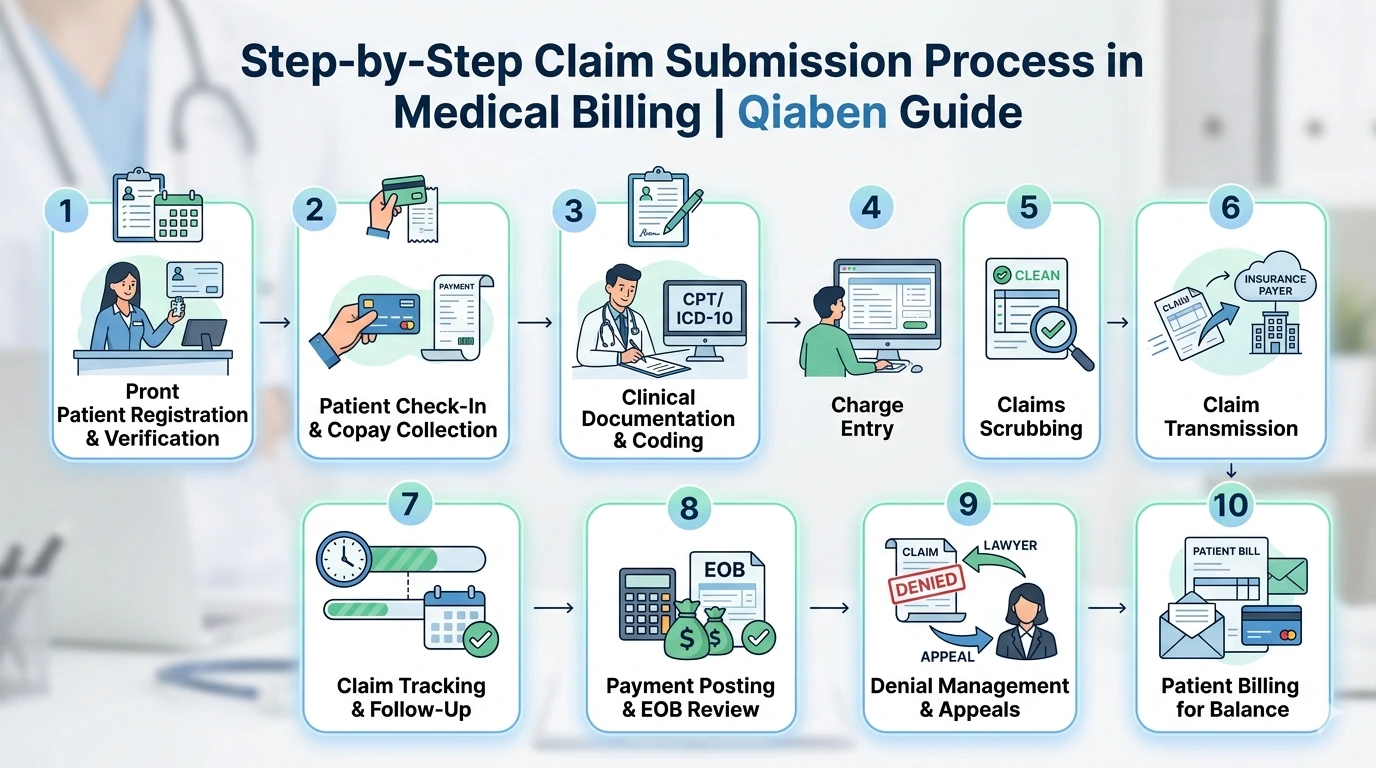
When financial data isn’t reviewed carefully, open claims disappear, balances don’t reconcile, and denials increase. This is why many clinics involve their medical billing company early in the migration process. Billing systems, payer rules, and reporting logic need validation before launch.
Credentialing and payer setup are often overlooked as well. Provider profiles that worked in the old system may not align perfectly in the new one, leading to rejections tied to configuration rather than care. This is where medical billing and credentialing workflows should be reviewed alongside the EHR build.
Clinics using external healthcare billing services or separate medical billing software benefit from coordinated testing across systems, not siloed checks.
Training is not optional it’s operational insurance
Even the best EHR fails if staff aren’t comfortable using it. Many clinics underestimate how much workflows change during migration. Training staff for EHR implementation isn’t about learning buttons it’s about rebuilding daily habits.
Phased training, role-based sessions, and post-go-live support make a measurable difference. Clinics that skip this step often see slower visits, frustrated staff, and documentation errors for months.
A realistic migration timeline approx
While every clinic is different, most successful migrations follow a similar rhythm:
- Early planning and data review
- Cleanup and test migrations
- Staff training and workflow validation
- Go-live with support coverage
- Post-migration audits over the following weeks
Rushing this process usually creates more downtime than it saves.
What research and real world experience agree on
Articles about transitioning to an electronic health record consistently highlight both benefits and challenges. The impact of electronic health records on healthcare delivery depends heavily on how well the transition is managed.
Clinics that invest time upfront see better reporting, smoother billing, and stronger coordination. Those that don’t often spend months fixing avoidable issues.
Today, most hospitals and a growing number of clinics use EHRs. The difference isn’t adoption it’s execution.
Questions clinics ask before moving forward
Is external support necessary?
Many clinics partner with a medical software company, billing teams, or consultants during migration, especially when internal IT resources are limited.
Will billing be disrupted?
It doesn’t have to be but only if billing data, payer rules, and workflows are tested alongside clinical records.
What matters more: system choice or migration quality?
In practice, migration quality matters more. A strong system with poor data causes more problems than an average system implemented well.
Final thought
An EHR migration isn’t just a technical project. It’s an operational shift that touches patient care, billing, compliance, and staff morale. A thoughtful EHR migration checklist, realistic timelines, and cross-team coordination make the difference between a smooth transition and months of cleanup.
If you’re planning a move, scheduling a migration consultation can help identify risks early, align billing and clinical goals, and set expectations before data ever moves.