Practicing dentistry is about a lot more than great patient care. Behind each visit, there’s scheduling, charting, billing, and of course—insurance. For most practices, one of the worst pangs in the revenue cycle is insurance verification.
If you’ve ever had a claim rejected due to a missed detail or watched patients become irate at surprise bills, you already understand how important this process is. That’s why increasing numbers of dental practices are using insurance verification services to conserve time, eliminate mistakes, and boost cash flow.
In this blog, we’re going to discuss:
• What dental insurance verification is
• The insidious cost of not verifying benefits
• How verification services operate
• Key benefits for your practice
• Real-world examples of impact
• Tips on choosing the right verification partner
By the end, you’ll understand why insurance verification is no longer optional—it’s essential for running a smooth, profitable, and patient-centered dental practice.
What Is Dental Insurance Verification?
Dental insurance verification is the process of confirming a patient’s insurance coverage before treatment begins. It sounds simple, but the details are often complex.
Verification involves checking:
•Eligibility—Is the policy active?
•Treatments covered—What specific treatments are covered?
•Frequency caps—How many times per year can the patient get a certain service (such as two cleanings)?
•Waiting periods and exclusions—Are there limits for expensive procedures such as crowns or implants?
•Copays and deductibles—How much does the patient pay before insurance coverage begins?
•Annual caps—How much overall coverage is left for the year?
• Coordination of benefits (COB)—If patients have more than one policy, which pays first?
Without good verification, your practice is basically winging coverage. And in the current insurance environment, winging it is costly.
The Hidden Costs of Skipping Verification
Some practices believe they can save time by cutting corners or hurrying through verification, but this usually ends in failure. Here’s why:
1. Claim Denials
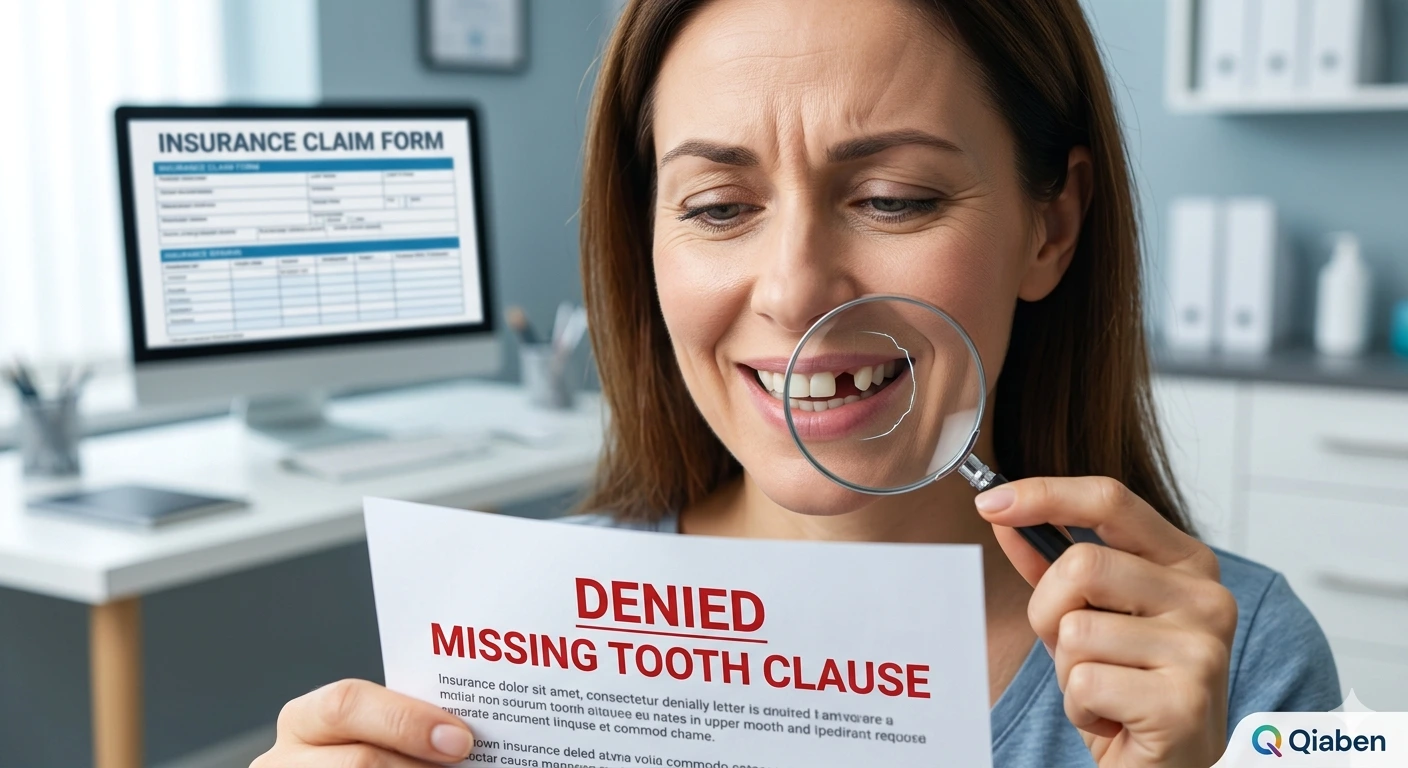
Insurance providers reject claims for myriad reasons—incorrect coverage dates, procedures that are not eligible, or maximums exceeded. Each rejection takes your staff hours of follow-up and ties up revenue.
2. Frustrated Patients
Think about informing a patient their crown will be covered by their insurance, then calling them back to inform them of a $900 charge because you neglected a waiting period. It is difficult to regain their trust after that.
3. Burned-Out Staff
Front office personnel already manage phones, scheduling, and check-ins. Adding constant insurance calls stresses and leads to turnover.
4. Revenue Leakage
Each rejected claim or uncollected account represents lost revenue. Even a 5% denial rate can translate to tens of thousands of dollars annually for a mid-sized practice.
In short, avoiding verification saves a few minutes today but creates bigger issues tomorrow.
How Dental Insurance Verification Services Work
Insurance verification services Relieve your staff of this hassle. Here’s how it usually works:
1. Information Gathering
You offer patient information—insurance ID, date of birth, policyholder information—prior to their visit.
2. Verification Process
The service calls the insurance carrier, manually or via sophisticated eligibility software.
3. Detailed Report
You have a complete breakdown of benefits: coverage, restrictions, deductibles, and out-of-pocket expenses.
4. Integration (Optional)
Most services integrate with your dental practice management software for instant updates.
5. Patient Communication
Your employees can confidently outline financial obligations prior to beginning treatment.
It’s a streamlined process that minimizes uncertainty for both your practice and your patients.
Benefits of Dental Insurance Verification Services
1. Lower Claim Denials
Precision verification prevents claims from being submitted incorrectly in the first place, significantly reducing denial rates.
2. Increased Cash Flow
With less rework and fewer denials, payments reach your practice sooner. Your practice has healthier revenue cycles.
3. Enhanced Patient Experience
Patients demand transparency. Being informed ahead of time about what’s covered increases trust and leads them to proceed with treatment.
4. Increased Case Acceptance
When patients know their exact out-of-pocket expense, they’re more likely to authorize recommended treatments.
5. Staff Efficiency
Verification outsourcing keeps your staff free to handle patient care, scheduling, and practice development.
6. Scalability
As your patient volume increases, verification services manage higher volume without adding staff.
7. Compliance and Accuracy
Professional verification maintains compliance with payer regulations, minimizing audit risks and expensive errors.
Real-World Example
Suppose your practice gets 30 new patients in a month. Without verification:
• Average claim denial rate = 8%
• Average denied claim value = $350
• Denied claims per month = 2–3 patients
That’s roughly $10,000 annually in lost or delayed revenue—not factoring in staff time invested in reprocessing claims.
With a verification service:
•Denials fall to 2% or lower
•Patients get accurate estimates.
•Your staff has more time to dedicate to the front desk experience.
The ROI is obvious: verification pays for itself numerous times over.
Common Scenarios Where Verification Helps
•Extensive Restorative Treatment—Crowns, bridges, and implants usually have exclusions or waiting periods.
•Orthodontics—Coverage is quite variable, and COB can become complex in children with dual coverage.
•Treatment of Periodontal Disease – Frequency limits and substitute benefits are common.
•Emergency Consultations—Patients may not carry their insurance information with them; verification services find them.
Selecting the appropriate verification partner
Not all services are equal. Here’s what to consider:
•Dentistry experience—Dental plan rules are distinct from medical.
•Reliability and speed—Can they verify in 24 hours?
•In-depth reporting—Do you receive coverage breakdowns, not only eligibility?
•Integration capabilities—Do they integrate with your practice software?
•Scaling—Can they process seasonal spikes or practice expansion?
•Pricing transparency—simple costs per verification or monthly subscriptions.
Asking the right questions helps you pick a partner who is helping—not hindering—your workflow.
The Big Picture: Patient Trust and Practice Growth
Fundamentally, insurance verification is not about claims—it’s about relationships. When your patients come into your office, they have two things in mind:
- Good care for their oral health
- Transparency on what it will cost them
By outsourcing verification, you’re not only protecting your bottom line—you’re protecting patient trust. That trust translates into higher retention, more referrals, and steady practice growth.
Final Thoughts
Dental insurance verification may feel like “back office” work, but it has a front-line impact on your patients, your staff, and your financial health.
Without verification, practices encounter claim denials, dissatisfied patients, and lost dollars. With verification, you achieve accuracy, efficiency, and confidence with each patient encounter.
In a competitive dental market, verification services are not only a luxury—they are an intelligent investment in your practice’s future.
If your team is spending hours on the phone with insurers—or worse, if you’re facing regular denials—it may be time to explore professional verification services. The payoff is simple: better cash flow, smoother operations, and happier patients.