
Small medical and dental practices juggle a lot: patient care, staffing, payer rules, and the constant pressure to run more efficiently without losing the human touch. For many clinicians, the idea of a “free EHR” raises eyebrows how can something free be worth adopting? The short answer: when chosen and implemented thoughtfully, a free EHR can be a strategic tool that improves workflows, strengthens your revenue cycle, and frees staff to focus on patients. Below I’ll walk through the practical benefits, real-world examples, common pitfalls to avoid, and a short checklist so you can decide whether it’s worth testing in your practice today.
What “free” really means and why it’s not the same as “cheap”
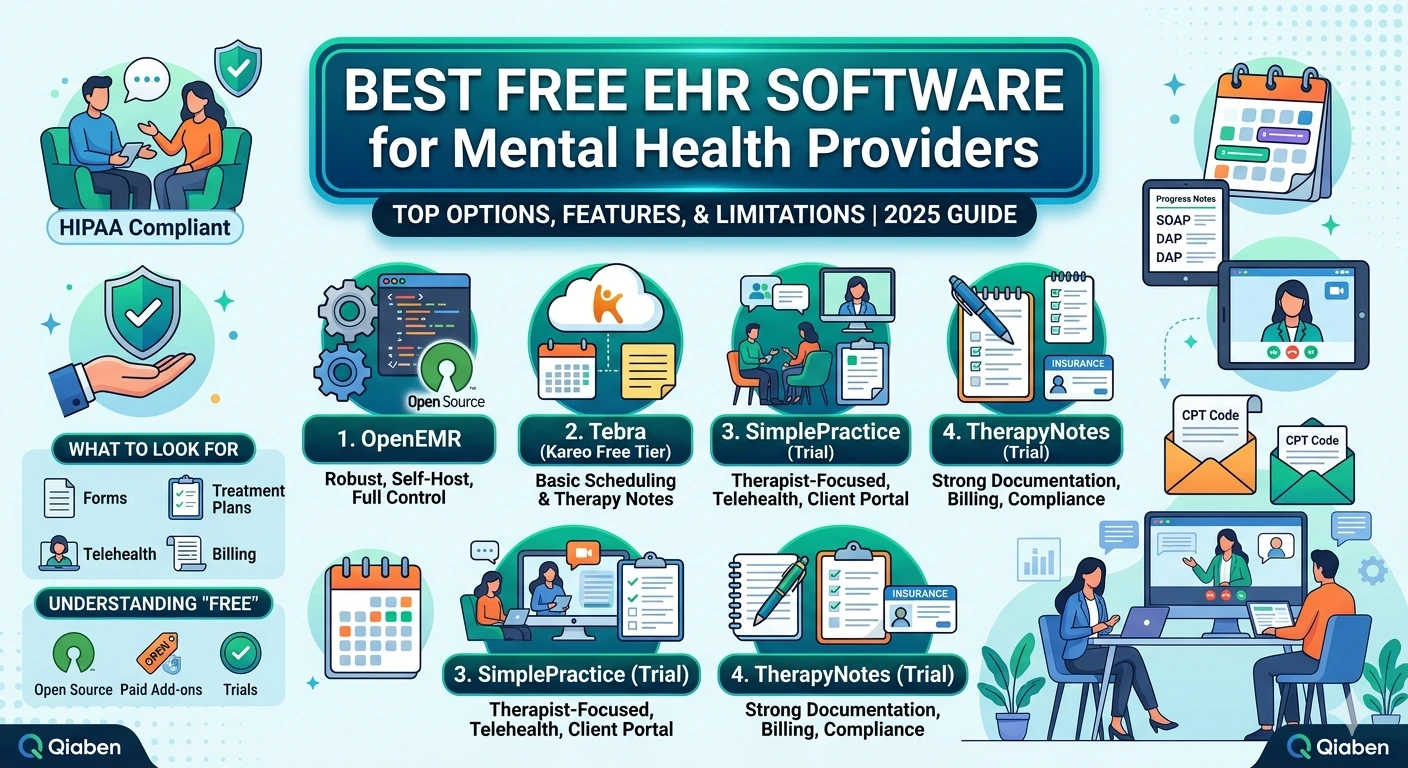
“Free EHR” in this context refers to an EHR option that does not carry a recurring license fee for the software itself. That doesn’t mean zero effort migrating systems, training staff, and integrating with the rest of your tech stack require attention. The value comes from flexibility: you can choose the practice management solutions, medical billing services, and claims processing tools that fit your workflows rather than being locked into one vendor’s ecosystem.
The smart move is to treat a free EHR as a component of a broader strategy not a stand-alone fix. When paired with the right partners and processes, it becomes a launchpad for improved collections, fewer denials, and smoother front-desk operations.
The three ways a free EHR creates value
Think of ROI not as a spreadsheet line item but as three practical improvements that change day-to-day operations:
1. Subscription freedom and vendor flexibility
Without a mandatory license tied to an EHR vendor, you can choose complementary tools that actually work for your specialty from medical claims processing software to billing and coding companies that speak your language. That flexibility helps you avoid redundant features and pay for services that add real value.
2. Better operational workflows
A configurable EHR that fits your charting style and scheduling patterns reduces repetitive work. That means clinicians spend less time clicking, front-desk staff handle fewer exceptions, and patient throughput improves. Over time this reduces friction in the practice and improves staff satisfaction.
3. Cleaner revenue capture
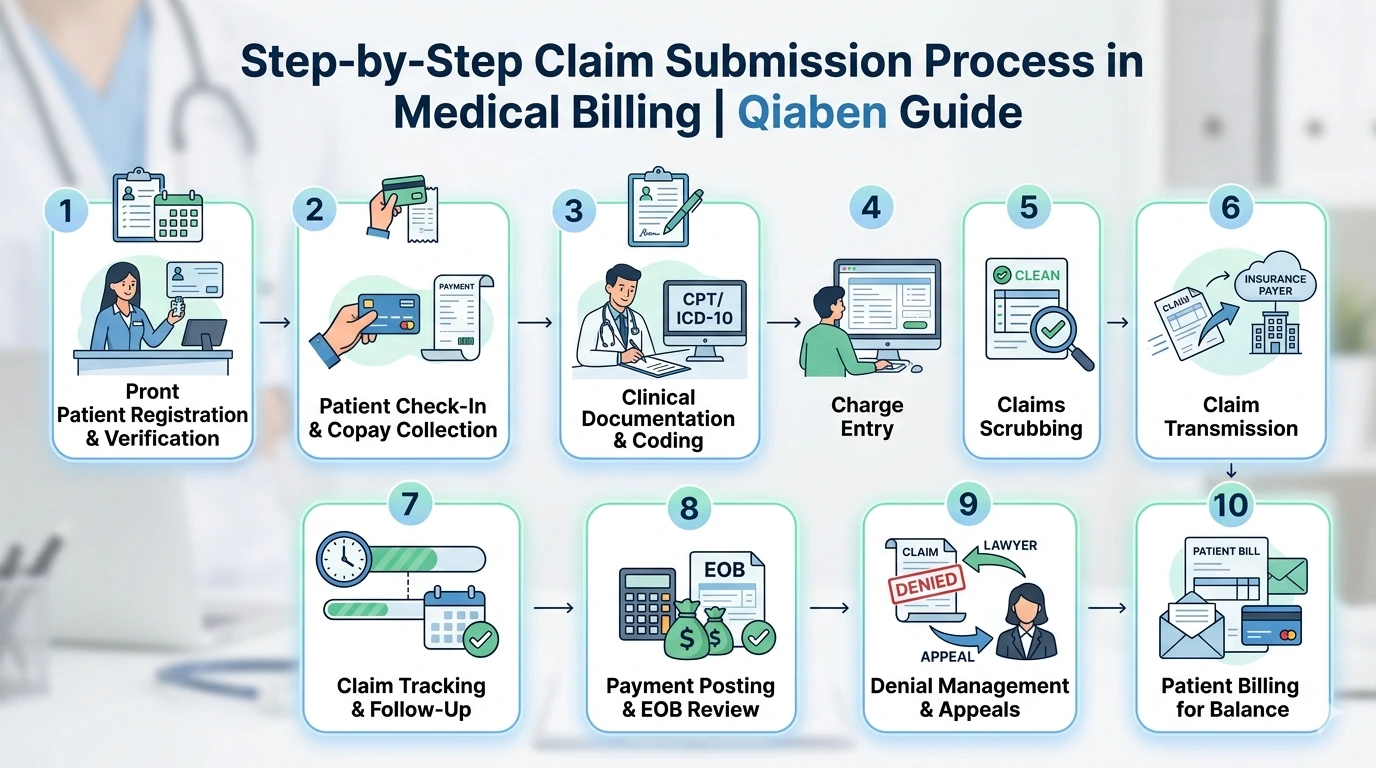
When an EHR integrates cleanly with your medical billing company or claims processing tools, information flows instead of being rekeyed. That reduces errors, speeds claims submission, and typically results in fewer rejections and faster collections. Those improvements are the real source of revenue upside.
Real-world examples
Dental practice smoother day, happier patients
A small dental office moved to a flexible, no-license EHR and focused first on customizing clinical templates for common procedures. The dentist and hygienists found charting faster and more consistent. Because patient notes and codes were cleaner, the office’s billing partner had fewer queries and fewer corrected claims. The front desk regained time previously spent reconciling records and began offering appointment reminders that cut no-shows a small change that translated into smoother scheduling and better patient experience.
Primary care clinic reduction in denials and administrative busywork
A neighborhood clinic paired a free EHR with a dedicated practice management solution and a billing partner experienced in credentialing and denials management. Instead of wrestling with exports and manual reconciliation, their team automated payer setup and claim scrubbing. Staff who used to chase claim statuses shifted their time to outreach for preventive care and chronic disease follow-ups. Patients noticed shorter wait times and more timely communications and clinicians could focus on care rather than paperwork.
A neighborhood clinic paired a free EHR with a dedicated practice management solution and a billing partner experienced in credentialing and denials management. Instead of wrestling with exports and manual reconciliation, their team automated payer setup and claim scrubbing. Staff who used to chase claim statuses shifted their time to outreach for preventive care and chronic disease follow-ups. Patients noticed shorter wait times and more timely communications and clinicians could focus on care rather than paperwork.
Implementation priorities what to do first
If you’re considering testing a free EHR, start with three priorities:
- Define the clinical workflows you can’t lose.
Map the most frequent visits and procedures, and ensure the EHR supports those templates. For dental practices, check procedure and charting templates; for medical practices, confirm ICD/CPT workflows and vaccine or lab integrations.
- Plan for integrations early.
A free EHR’s value depends on how well it integrates with your billing partner, claims scrubbing tools, and scheduling system. Verify that data export formats are clean and that your medical billing company can accept the outputs without heavy rework.
- Invest in role-based training.
Implementation should include training tailored to each role: clinicians, medical assistants, billing staff, and front-desk. Short, focused training sessions that reflect real daily tasks help the team adopt changes faster.
Common mistakes to avoid ?
Assuming adoption will happen by osmosis.
Staff need hands-on guidance and time to recalibrate. Without it, workarounds creep in and expected gains evaporate.
Separating the EHR from your revenue cycle plan.
If the EHR cannot feed your billing partner the right data, you’ll reintroduce manual entry and errors. Choose practice management solutions and claims processing software that are proven to play well together.
Neglecting credentialing and payer setup.
Credentialing issues are a frequent cause of claim rejections. If you plan to swap EHRs, bring your credentialing and payer data along and confirm they map correctly to the new system.
How a free EHR fits the modern practice technology stack
A free EHR often sits at the center of a best-of-breed stack. Surround it with tools you actually use:
- Practice management solutions for appointment flow and reminders.
- A trustworthy medical billing company or billing team that understands your specialty.
- Claims scrubbing tools and the best medical claims processing software you can access.
- Credentialing support and partnerships that bundle medical billing and credentialing when appropriate.
- Ongoing revenue cycle management training so your team keeps improving.
This modular approach lets you select the right partner for each function from medical billing services to billing and coding companies rather than inheriting a rigid, single-vendor stack.