Dental billing and claims management are the backbone of a financially stable dental practice. It’s more than just sending invoices; it’s a critical process that ensures steady cash flow and overall financial health.
What is Dental Billing?
Dental billing is any activity that collects payment for dental services performed in your dental practice . It help by sending claims to insurance companies and communicating with patients and make ensure the practice gets paid .
Why it is important ?
The reason is that Dental Billing Essentials ensures practices receive timely payments for financial stability and make business profitability. Another reason is that it helps to maintain the trust between the insurance company and practician and reduce latency in claim recovery
Key Components of Dental Billing ?
- Patient & Insurance Information : Imagine trying to build a house on the wrong foundation and it exact the same thing happens when patient data is incorrect or wrong. A wrong name or outdated policy can send your claim straight to denial territory.
- Pre-Authorizations: Think of this as getting permission to pay but you did get because misunderstanding . in that billing company comes they fist verify then you can start proceeding
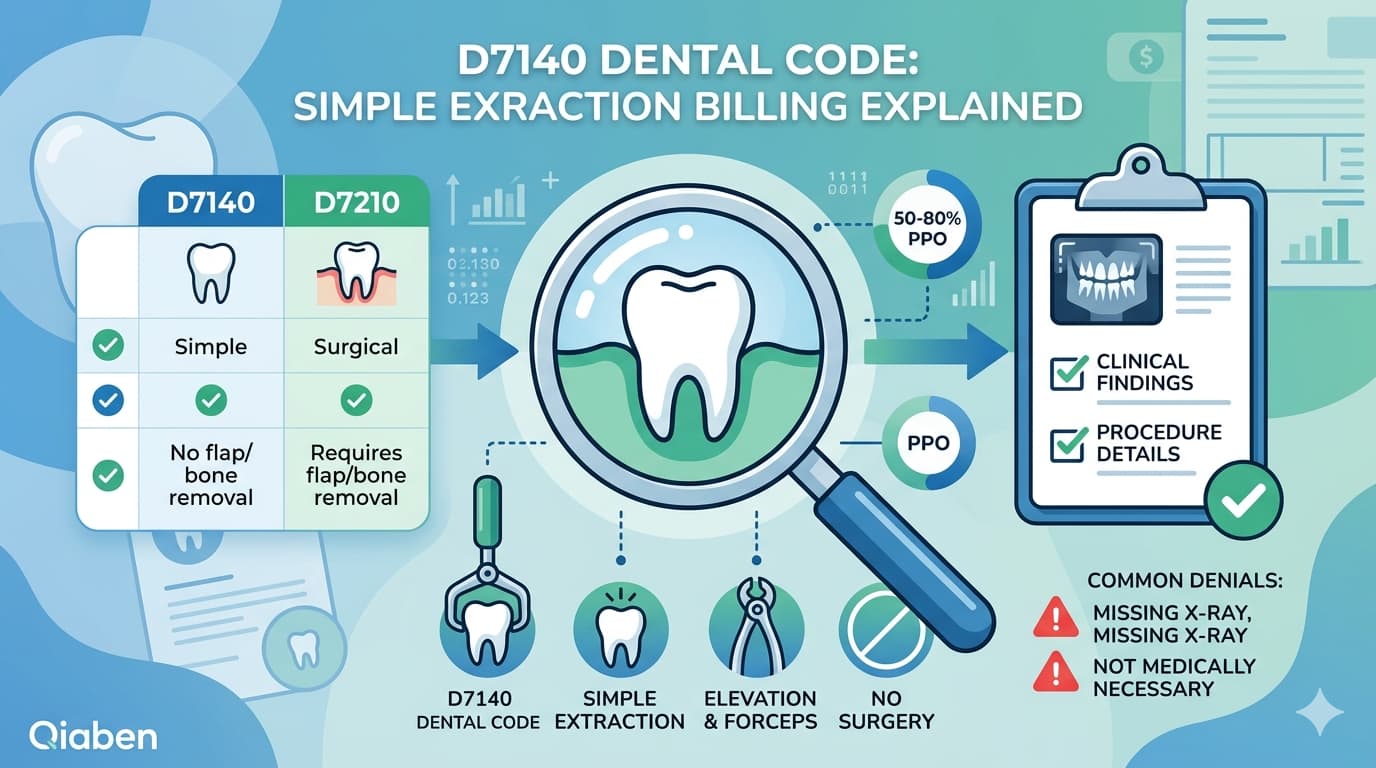
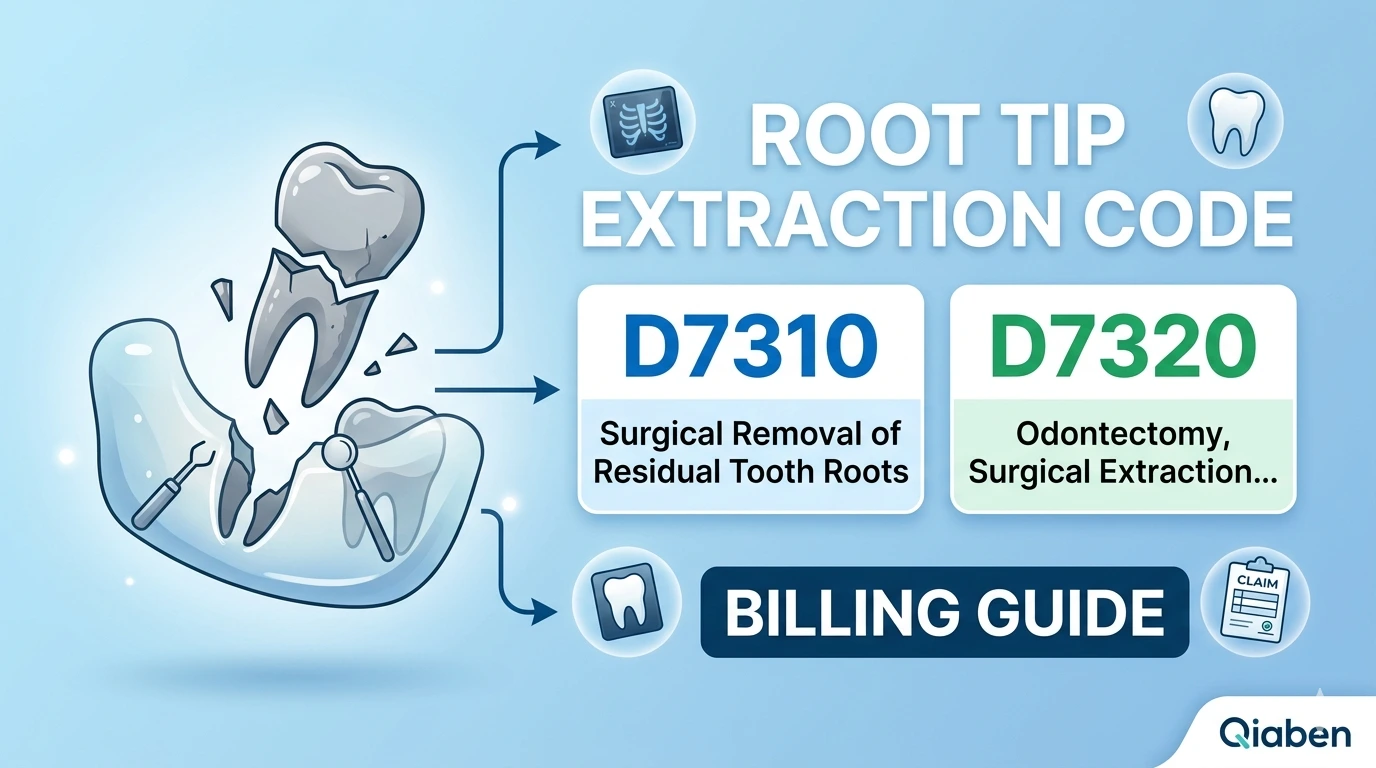
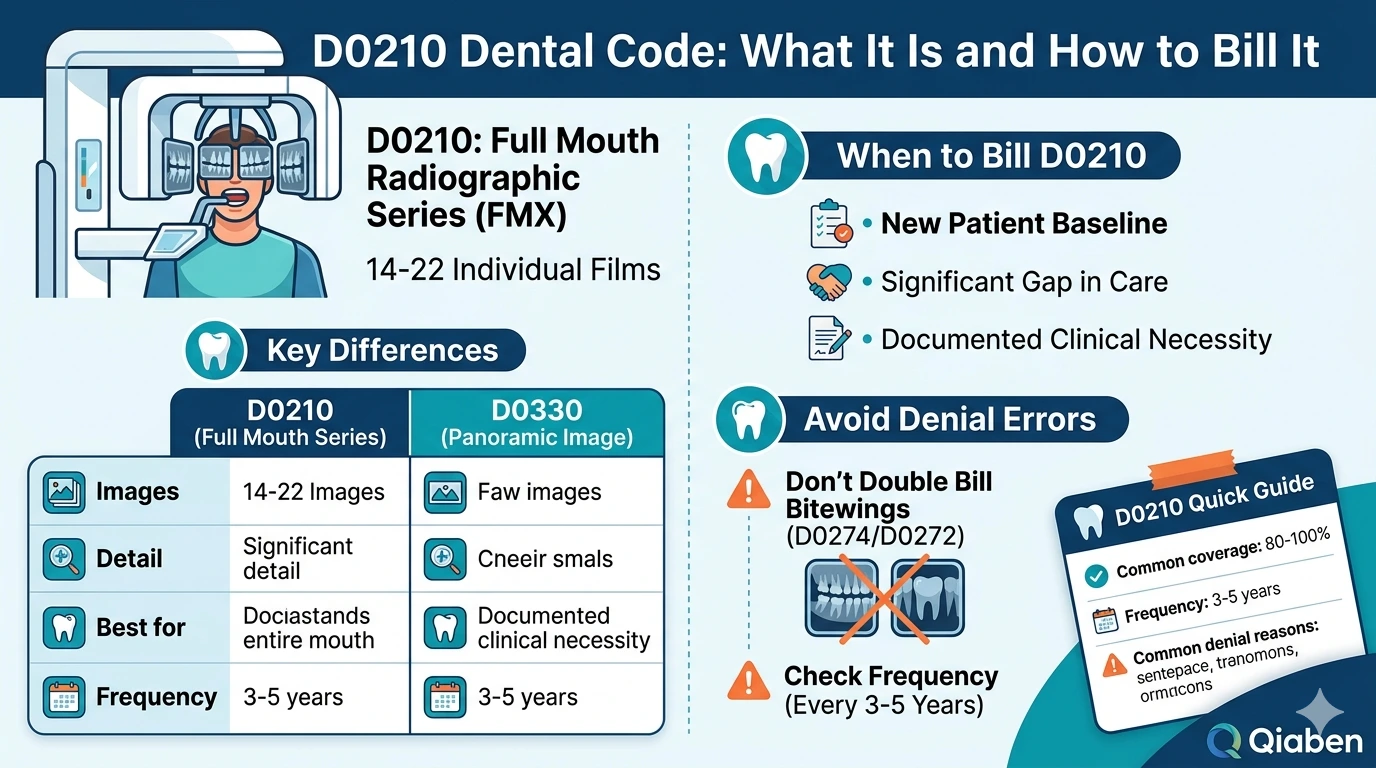
- CDT Codes: These codes are the “language” dental offices and insurance companies use to communicate. A single wrong code can turn a clean claim into an unnecessary headache.
- Claim Tracking : Submitting the claim is only half the job. Following up is where magic and money actually happens.
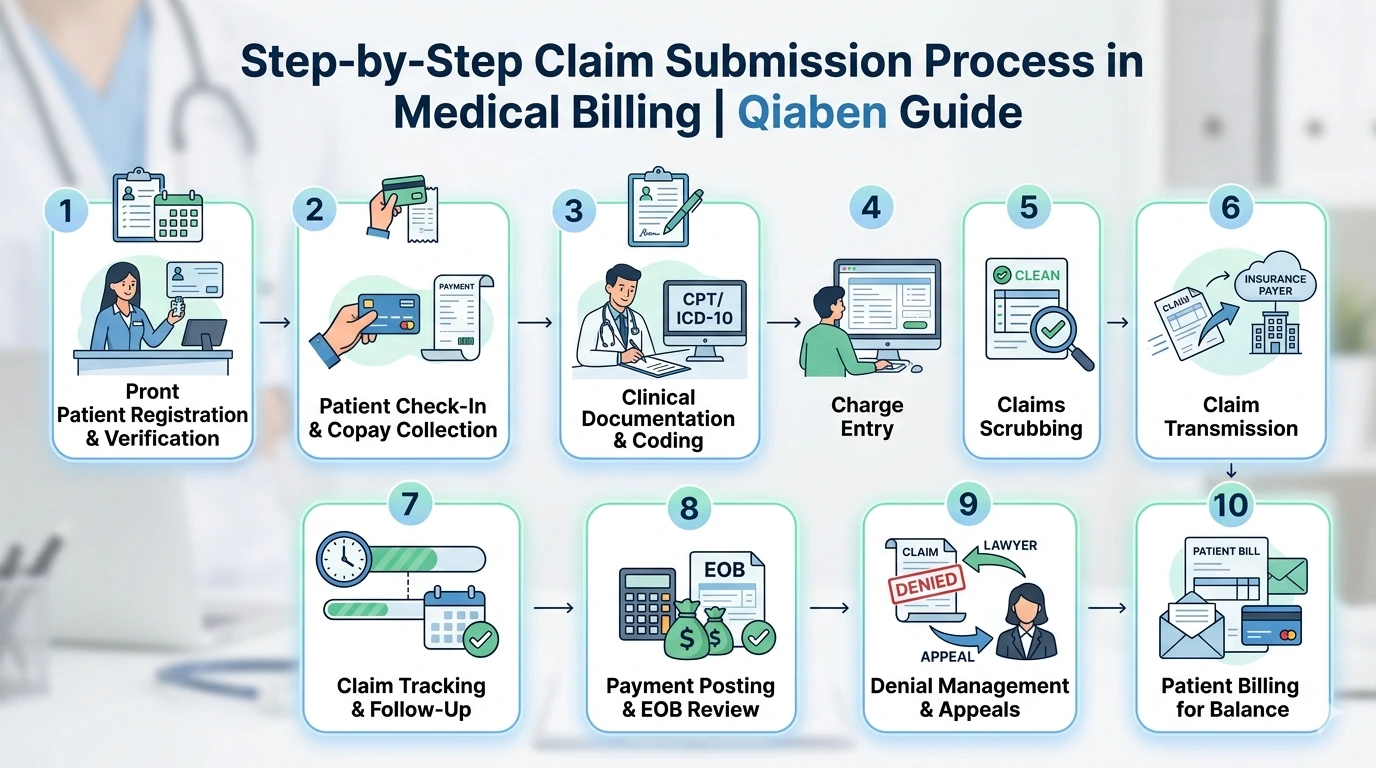
The 8-Step Dental Billing Process
Step1:Intake Call: When the patient calls to schedule an appointment, the office needs to gather important information such as name, DOB, insurance ID and group number and subscriber information. This will help concerning obtaining insurance benefits before patients arrive.
Step 2: Patient Visit:- When the patient shows up for their scheduled appointment, the treatment they receive during this visit lays the groundwork for the claim that will be submitted later.
Step 3:Entering Procedures :- Once the appointment wraps up, the office staff makes sure to log all the procedures that were completed into the patient management system (PMS). This step is crucial for keeping accurate records for claims.
Step 4: Creating and Sending the Claim :- Once the clinical notes get the green light, the insurance specialist jumps into action to prepare the claim. They pull together the notes and procedure codes to craft a clear narrative and attach any necessary images. Getting this part right is crucial to avoid any delays or denials.
Step 5: Following Up on Unpaid Claims:- If payment hasn’t come through within 30 days, the insurance specialist takes the initiative to check on the claim’s status. They dive into reports, reach out to the insurance company, and if needed, resubmit or appeal the claim. They keep the follow-ups going every two weeks until the payment is finally made.
Step 6: Insurance Payment:- Once the insurance company processes the payment, they send out an Explanation of Benefits (EOB). The specialist records the payment in the Practice Management System (PMS) and wraps up the claim. Any leftover balance is then communicated to the patient.
Step 7: Patient Balance Follow-Up :- If the patient hasn’t settled their remaining balance within 30 days, the patient specialist starts reaching out for follow-ups. This process continues every 30 days until the balance is fully paid off.
Step 8: Final Payment”:- The whole process wraps up when the patient pays their share. For some, this might take a few weeks, while for others, it could stretch over several months, depending on their insurance and the follow-up efforts.
Why accuracy matter in dental billing ?
A) Reduce Errors which means Direct Financial growth
B) Inaccurate Billing Makes You Look Incompetent
C) Clear Audit make it organized finance
D) Slow growth in survices and practice
E) Legal & Compliance Protection
Common mistake of dental billing ?
- Using wrong CDT codes leading to immediate claim denials.
- Missing or inadequate documentation blocking claim approval.
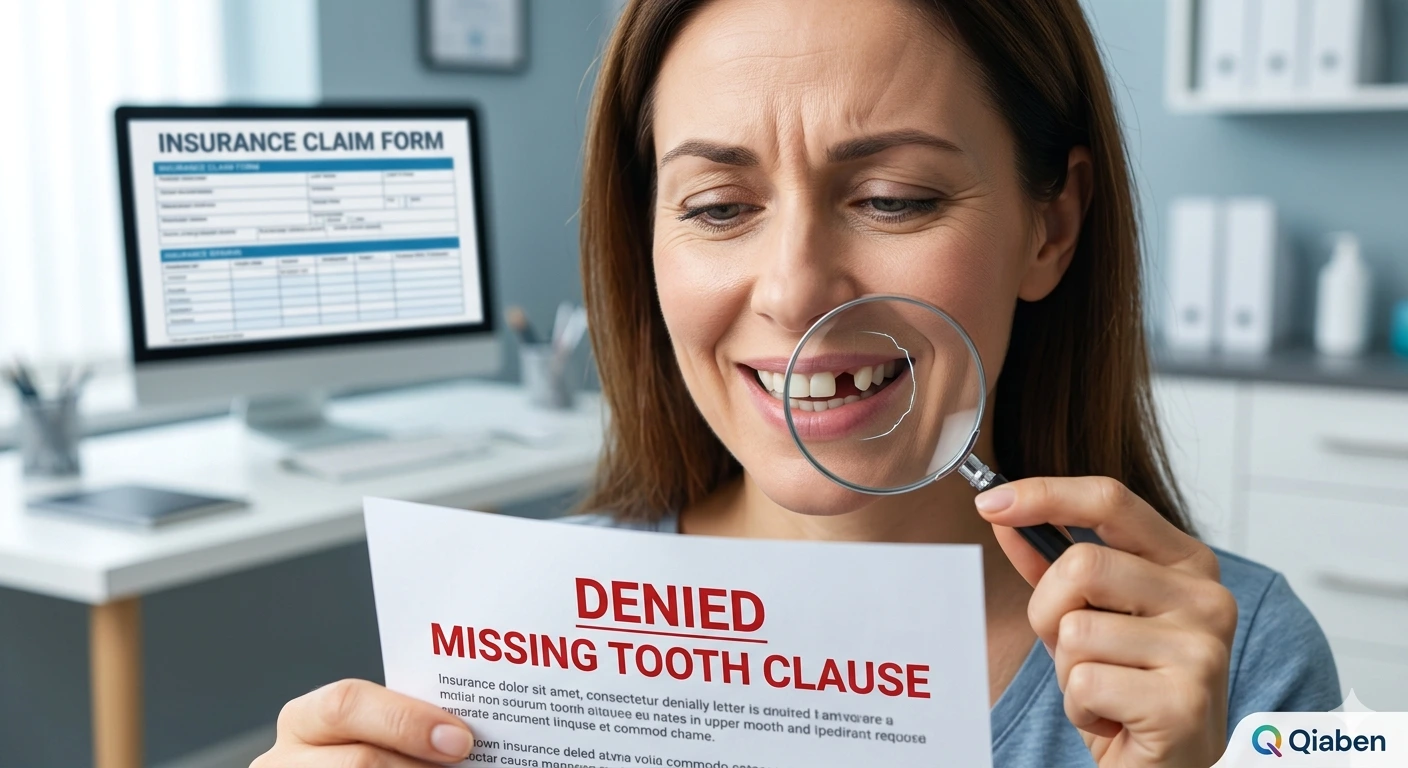
- Skipping insurance benefit verification causing coverage errors.
- Submitting incomplete claims resulting in automatic rejections.
- Ignoring frequency limitations making claims non-payable.
Conclusion :
A dental practice can’t be financially healthy if its billing and management of claims are sloppy. Every step, from the gathering of patient information right through to following up on unpaid claims, is all integral in cash flow, patient trust, and the reputation of the clinic. Accuracy isn’t optional; it’s the difference between a smooth, profitable operation and a chaotic mess replete with denials, delays, and audits. When billing teams avoid common mistakes, stay organized, and follow a structured process, the practice gets paid on time, reduces financial risk, and builds long-term stability. In short, master your billing, or your practice bleeds money-there’s no middle ground.
At QIABEN, we stand beside you in this journey.
Whether you’re overwhelmed by paperwork, struggling with claim denials, or simply tired of chasing payments, we are here to lift that burden.
With QIABEN EMR & Telehealth, enjoy seamless digital tools for effortless patient management and flawless virtual care.
Our Medical Billing & Coding support ensures every claim is accurate, compliant, and paid on time.
With our Insurance Verification and Pre-authorization, we eliminate delays before they ever reach your schedule.
And yes, we help you cut operational costs by as much as 50% so that you can focus on what really matters: your patients.
For understating follow the YouTube channel
You care for smiles.
Let QIABEN take care of everything else.