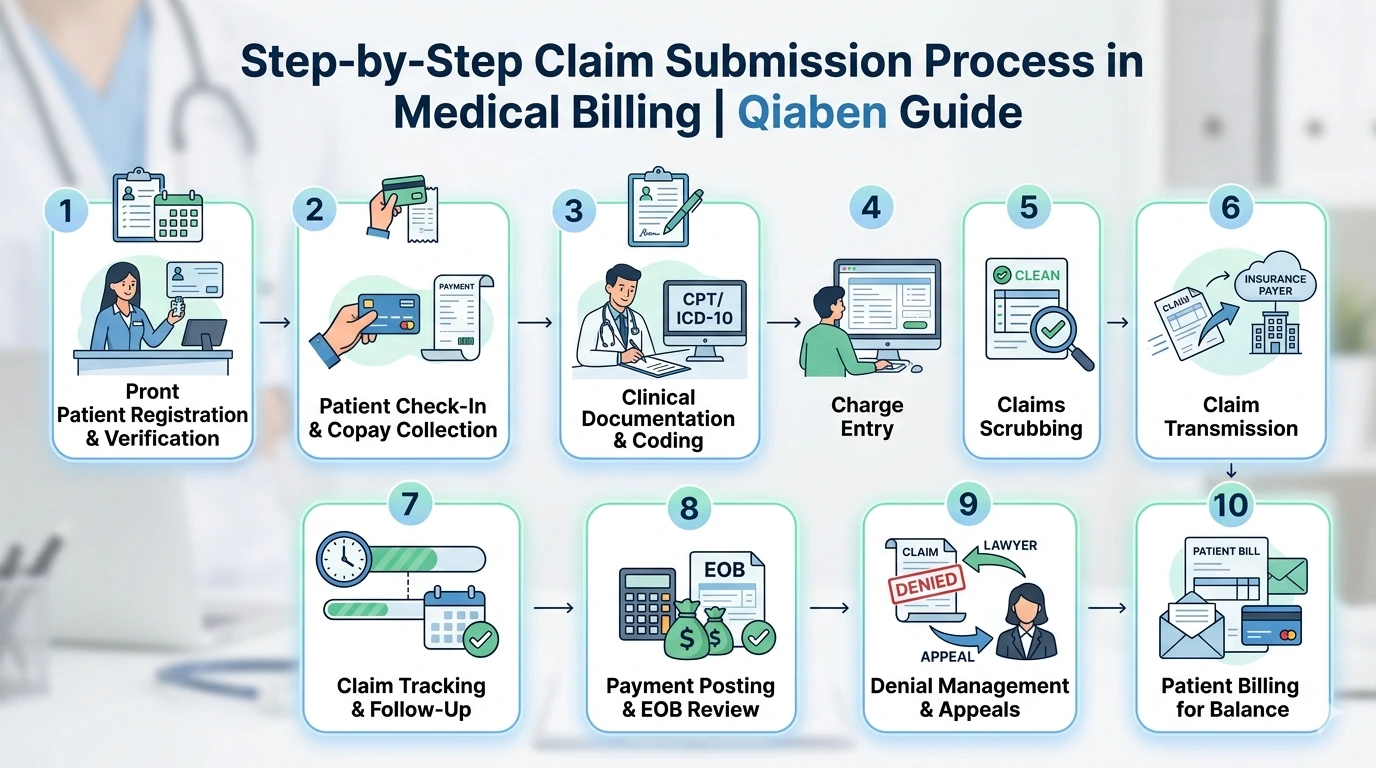
Dentistry is a fulfilling profession but not without a multitude of administrative hurdles. Adding patient care, human management, and regulatory compliance to the equation, managing finances becomes daunting. This is where dental accounting services become useful. Through outsourcing or taking advantage of professional accounting assistance, dentists can be assured that their practice stays well-organized, profitable, and compliant with tax and healthcare regulations.
On this blog, we will be discussing the top dental accounting services every dental practice must have, the reasons why they are essential, and how they make practice management easy.
Why Dental Accounting Services Are Indispensable for Dentists
Dentists invest years learning about oral care but few of them learn about finance management. Without little or no accounting procedures, a practice can experience cash flow complications, taxation issues, or missed income. Such is why dental-specific accounting services are critical:
1.Industry Know-How: Dental accountants know the distinctive financial blend of dental offices such as insurance reimbursement, patient payment patterns, and equipment depreciation.
- Risk Management and Compliance: They ensure compliance with healthcare regulations, IRS requirements, and state laws.
- Time Savings: Outsourcing accounting provides dentists with time they might have spent on non-clinical activities.
- Improved Profitability: With detailed tracking of revenues and expenses, accountants enable practices to ensure maximum profitability.
- Stress Reduction: Dentists can rest assured knowing that their finances are in the hands of professionals.
Best Dental Accounting Services Every Practice Needs
Following are the most crucial dental accounting services that help in effective and hassle-free management of a dental practice.
1. Bookkeeping and Recordkeeping
Effective bookkeeping is the cornerstone of any thriving practice. Dental bookkeeping services keep daily transactions, including:
- Patient payments
- Payment from insurers
- Payroll and overheads
By reconciling financial accounts, dentists have a complete understanding of their practice’s financial position. Professional bookkeeping avoids expensive mistakes and makes auditing easy.
2. Payroll Management
Dental staff payrolls—assistants, hygienists, receptionists, and associates—can be challenging to manage. A payroll management company guarantees:
- Timely salary payments
- Tax withholdings and benefit administration
- Shift and overtime tracking
- Labor laws compliance
Outsourcing payroll prevents errors and saves tax reporting penalties.
3. Dental Tax Planning and Preparation
Tax time is aggravating for dentists without accounting expertise. Dental tax planning and preparation services aid with:
- Reporting qualified deductions (equipment, continuing education, office supplies)
- Minimizing tax liability
- Federal, state, and local tax conformity
- Preparation of quarterly and annual tax reports
With advanced tax planning, dental accountants maximize savings while remaining compliant.
Leakage of revenue is one of the largest problems in dental offices. RCM services simplify the process of revenue flow from patients and payers by:
- Verifying patient insurance coverage
- Filing accurate claims
- Requesting unpaid claims
- Collecting past-due balances
Successful RCM enhances cash flow and allows dentists to receive timely payments.
5. Financial Reporting and Performance Analysis
Financial reports on a monthly and quarterly basis allow dentists to know their practice performance. Reports may include:
- Profit and loss statements
- Balance sheets
- Cash flow reports
- Production and collections analysis
Using performance data, dentists can make informed decisions regarding staffing, expansion, or investments.
6. Budgeting and Forecasting
A good accountant allows dentists to budget and forecast finances for the future. This involves:
- Forecasting of expense and revenue
- Upgrading equipment planning
- Management of loans and debt
- Monitoring growth targets
Budgeting makes a practice fiscally sustainable in the long run.
7. Accounts Receivable and Accounts Payable Administration
Accounts receivable (AR) is past-due patient and insurance money, and accounts payable (AP) are practice expenditures. Effective AP/AR management guarantees strong cash flow and minimal risk of debt exposure.
8. Auditing and In-House Compliance Support
Dental clinics must abide by many rules, including HIPAA and IRS guidelines. Accountants observe that:
- Audit reports are properly done
- Tax code compliance
- Transparent financial disclosure reporting
This reduces the likelihood of fines and legal consequences.
9. Practice Valuation and Transition Planning
Dentists require valuation services if they plan to sell or expand their clinic. Accountants assess:
- Present market value of practice
- Patient population and goodwill
- Equipment and real estate holdings
- Potential income
This. This helps dentists negotiate better bargains and create well-founded practice expansion or retirement strategies.
10. Cloud-Based Dental Accounting Software Integration
New. Accounting services include software integration, i.e., QuickBooks, Dentrix, or Xero. Cloud-based programs provide:
- Instant financial data
- Access from anywhere remotely
- Automated billing
- Data backup and security
This computer innovation increases efficiency and reduces human mistakes.
Benefits of Outsourcing Dental Accounting Services
Most dentists find it difficult to deal with business and clinical responsibilities. There are numerous advantages of outsourcing accounting:
- Cost-Effectiveness: Permanent staff can be expensive, but outsourcing comes at a reasonable cost.
- Scalability: It can increase as the practice increases.
- Expertise: Professional experts who understand dental industry-specific necessities.
- Less Stress: Dentists can only focus on patient care while accountants deal with numbers.
How to Choose the Best Dental Accounting Firm
All accounting providers are not created equal. These are the most significant factors to consider when seeking a dental accounting partner:
- Dental Practice Experience: Seek accountants who have dental practice experience.
- Services Provided: Ensure they provide bookkeeping, payroll, tax planning, and RCM.
- Integration with Technology: Choose services that assist with cloud-based accounting software.
- Reputation and Reviews: Read client reviews and awards in the industry.
- Scalability and Pricing: Choose a provider who can scale your practice
The Role of Dental Accounting in Stress-Free Practice Management
Financial unknowns like cash flow issues, bad debt, or looming tax deadlines are typically the cause of stress in managing dentists’ practices. With dental accounting services, dentists can:
- Enjoy financial accuracy with correct reports
- Avoid compliance issues with timely record-keeping
- Improved cash flow with efficient AR management
- Reduced workload stress through financial operations outsourcing
- Greater focus on patient care and development and less on administrative functions
Lastly, professional accounting services provide dentists peace of mind and practice management without headaches.
Future Trends in Dental Accounting
As technology becomes more advanced, dental accounting services are also evolving. Some future trends are:
- Accounting Tools Based on Artificial Intelligence: Automation of data entry and finance analysis
- Blockchain in Payments: Transparent and secure payment
- Telehealth Integration: Billing and monitoring of virtual consultations
- Data Analytics: Predictive analytics to drive growth and profitability
These technologies, when implemented, will also reduce stress for dentists and improve financial performance.
Final Thoughts
It requires more than the best clinical skills to operate a dental clinic. Without accounting, even the best dental care can become financially struggling. With the help of the best dental accounting services—like bookkeeping, payroll, tax planning, RCM, and financial reports—dentists can have hassle-free practice management.
Whether outsourced or in-house, professional accounting ensures compliance, profitability, and peace of mind so that dentists can focus on what matters most: delivering exceptional patient care.