
7 posts tagged with "product"

View All Tags

The Role of EHR in Telehealth: Enhancing Remote Patient Management
· 6 min read
Qiaben Health

The Role of EHR in Telehealth: Enhancing Remote Patient Management

EHR and telehealth

1.Introduction

     In today’s advanced healthcare, electronic health records (EHR) and telehealth play an essential role to improve patient care and access to healthcare. EHR in telehealth is changing healthcare by improving distant patient consideration. By coordinating computerized wellbeing records with virtual meetings, suppliers can in a flash access a patient's finished clinical history, empowering educated, effective consideration from any area. This joining upholds progression, further develops independent direction, and at last prompts better quiet results.

  i)  Define EHR: 

     EHR is the digital record of patients' health information. The EHR has a broad range of data, typically stored in the patient's medical history, demographic information, and laboratory test results. 

 ii)  Define Telehealth: 

    Telehealth is defined as the use of electronic information and telecommunication technologies to support long-distance clinical health care, patient and professional health-related education, health administration, and public health. 

 iii) Importance in Modern Healthcare: 

   EHR and Telehealth are important for enhancing patient care and communication, which reduces the cost. The integration of EHR with Telehealth helps the patient receive up-to-date information.

2. How EHR Supports Telehealth in Remote Patient Management

 i) Access patient information: 

     With EHR mergers, healthcare suppliers have immediate access to the patient's full history, like important diagnoses, medication, and early treatments. This information is essential for giving customized care during the Telehealth process. 

 ii) Continuous Care:

    EHR continuously maintains the record of patient's healthcare. This is important in telehealth; make sure that the supplier has a conversation with the patient and then gives access to early visitor notes, test results, and updates. 

 iii) Continuous Navigation: 

   Having an extensive EHR readily available empowers suppliers to make educated, ongoing choices during telehealth meetings. This prompt access helps guide conversations, medicines, and subsequent stages without requiring face-to-face visits.

3. Advantages of Coordinating EHR with Telehealth Stages 

   i) Worked on Tolerant Consideration and Coherence: 

   The EHR combination gives a longitudinal perspective on a patient's wellbeing, taking into account consistency in care. For instance, if a patient sees an alternate supplier for a Telehealth visit, that supplier can, in any case, see all significant patient history and advance consistent consideration changes. 

  ii) Upgraded Correspondence and Cooperation:

   EHR-incorporated Telehealth stages support cooperative consideration by permitting different healthcare suppliers to access and refresh patient records. This coordinated effort can be essential for complex cases that include subject matter experts, essential consideration suppliers, and psychological health experts. 

  iii) Diminished Regulatory Weight:

  Incorporating EHR and Telehealth lessens the need to copy patient data across frameworks, accelerating work processes. For example, a patient's solution, lab orders, or references can be immediately added to their record during a Telehealth meeting and got to during an in-person follow-up.

4. Information Security and Protection in EHR-empowered Telehealth

  i) Figuring out HIPAA Consistence: 

  Telehealth stages coordinated with EHRs should comply with the Health Insurance Portability and Accountability Act (HIPAA) guidelines to guarantee patient information is secured. This includes utilising encoded information transmission, secure logins, and customary reviews of safety efforts. 

  ii) Best Practices for Security: 

  Carrying out security highlights, for example, multifaceted confirmation, information encryption, and normal security patches, can assist with safeguarding delicate patient data. Suppliers ought to likewise teach patients about secure Telehealth rehearsals, such as utilising private web associations. 

 iii) Tending to patient worries: 

  Numerous patients are mindful about information security in Telehealth. Tending to these worries straightforwardly by making sense of how their information is safeguarded inside an EHR-incorporated Telehealth framework can assemble trust.
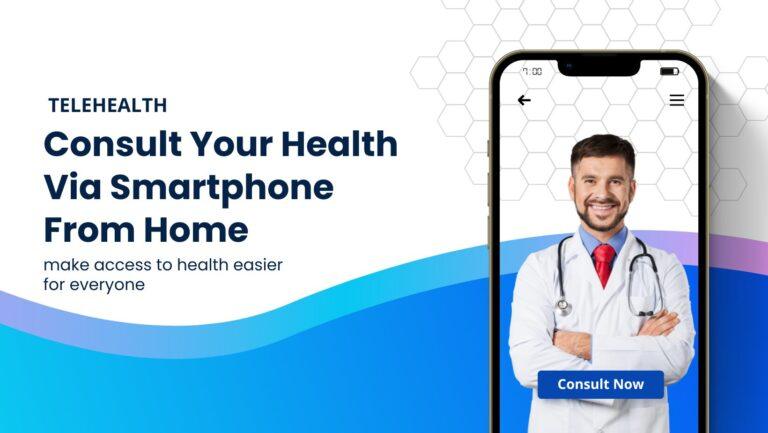
telehealth

5. Challenges in Coordinating EHR with Telehealth Frameworks

  i) Specialised Similarity: 

   Numerous medical services suppliers utilise an assortment of EHR and Telehealth stages, which may not be viable 100% of the time. Custom integrations or middleware solutions are essential, but they're a bit costly and intricate to execute. 

 ii) Preparing and work process changes: 

    For learning new things providers and administrative staff need to integrate, it can be time-consuming. Preparing is important to make sure that groups can work efficiently and use the systems to investigate normal problems. 

 iii) Cost and Asset Assignment: 

   The EHR-Telehealth combination can be a costly endeavor, especially for small practices. Costs incorporate the expense of programming, preparing, IT support, and progressing upkeep, which should be legitimate by long-haul advantages and return on initial capital investment.

6. Contextual investigations and Genuine Models

 i) Model 1: 

   The massive healthcare network effectively integrated their EHR and Telehealth; it reduced their hospital readmissions by 30% through frequent virtual observation and streamlined follow-up care. 

 ii) Model 2: 

   A country facility embraced EHR-coordinated Telehealth, permitting them to give expert meetings to far-off patients. This contextual analysis could feature how this mix extended patient admittance to specific consideration without requiring travel.

 iii) Result Measurements: 

   Including information focuses like patient fulfilment scores, decreased standby times, and further developed wellbeing results can exhibit the substantial advantages of EHR-Telehealth coordination.

7. Eventual fate of EHR in Telehealth: Patterns and Developments

 i) Computer-based intelligence and prescient examination: 

  EHR frameworks are progressively incorporating man-made intelligence to anticipate patient necessities, screen wellbeing patterns, and suggest proactive mediations. This will empower suppliers to all the more likely oversee persistent circumstances through Telehealth.

 ii) Blockchain for Security: 

  Blockchain innovation is a merging and proper way to save and share health data across platforms.Its decentralized character can improve data security and straightforwardness, particularly handling enormous telehealth data. 

 iii) Wearable gadget incorporation: 

  The incorporation of wearable gadgets with EHRs gives permission to regularly monitor patients' health and give patients real-time data for heart rate, sleeping positions, and physical activity, which can improve Telehealth.

8.Down to earth Steps for Suppliers to Execute EHR for Telehealth

Step 1: 

 Platform Selection: Select an EHR and Telehealth system that offers merge with specific needs. 

Step2:

 Guarantee Consistency: Confirm with the chosen platforms HIPAA and other important data protection controls. 

Step 3: 

 Preparing and Rollout: Improve a proper plan for all users and roll out the phrases, beginning with proper services. 

Step 4: 

 Monitor and Evaluate Monitor the key metrics for patient fulfilment, arrangement volume, and productivity in understanding administration to assess the effect of the joining. 

Conclusion : 

  • Recap of EHR-Telehealth Advantages: 

              Sum up how EHR reconciliation in Telehealth improves patient consideration through smoothed-out data access, better information security, and further developed supplier-coordinated effort. 

  • Support Investigation and Reception: 

             Underline that embracing EHR-coordinated Telehealth frameworks is a dynamic move toward modernised healthcare, at last helping suppliers and patients by making a more open, viable, and secure consideration environment.


The Ultimate Checklist for Implementing Qiaben’s Free EHR Software in USA Medical Offices.

· 6 min read
Qiaben Health

Introduction

Overview of Qiaben’s Free EHR Software

Electronic Health Records (EHR) software is an essential tool in modern medical practices, enabling healthcare providers to manage patient information efficiently. Qiaben’s Free EHR Software offers a comprehensive solution for medical offices in the USA, combining powerful features with cost-effectiveness. This article presents the ultimate checklist for implementing Qiaben’s Free EHR Software, ensuring a smooth transition and optimal utilization of the system.

Importance of EHR in Medical Practices

The adoption of EHR systems has revolutionized healthcare delivery, enhancing patient care, improving efficiency, and ensuring regulatory compliance. EHRs provide real-time access to patient data, streamline clinical workflows, and facilitate better communication among healthcare providers. Implementing a robust EHR system like Qiaben’s is crucial for medical practices to stay competitive and deliver high-quality care.

Benefits of Implementing Free EHR Software

Implementing Qiaben’s Free EHR Software brings numerous benefits, including cost savings, improved patient care, and enhanced operational efficiency. By eliminating the financial barrier associated with paid EHR systems, Qiaben’s solution allows medical practices to allocate resources to other critical areas. Additionally, the software's user-friendly interface and comprehensive features ensure that healthcare providers can focus on patient care rather than administrative tasks.

Pre-Implementation Phase

Assessing Practice Needs
Understanding Specific Requirements

Before implementing Qiaben’s Free EHR Software, it's essential to assess the specific needs of your medical practice. This involves identifying the types of patients you serve, the volume of patient data you handle, and the unique challenges your practice faces. Understanding these factors will help tailor the EHR system to meet your requirements effectively.

Identifying Existing Challenges

Evaluate the current challenges in your practice, such as inefficient workflows, data management issues, or regulatory compliance difficulties. Identifying these pain points will guide you in selecting the features and configurations needed in the EHR system to address and overcome these challenges.

Researching EHR Options

Evaluating Different EHR Software

Conduct thorough research on various EHR software options available in the market. Compare features, usability, customer reviews, and support services. This comparison will help you determine how Qiaben’s Free EHR Software stands out and meets your specific needs.

Comparing Features and Benefits

Make a detailed comparison of the features and benefits of Qiaben’s Free EHR Software against other EHR solutions. Consider aspects such as user interface, customization options, integration capabilities, and support services. This comparison will provide a clear understanding of why Qiaben’s solution is the best fit for your practice.

Setting Clear Goals

Defining Objectives for EHR Implementation

Establish clear objectives for implementing the EHR system. These objectives might include improving patient care, enhancing operational efficiency, ensuring regulatory compliance, or reducing costs. Defining these goals will help measure the success of the implementation process.

Establishing Success Criteria

Determine the criteria for evaluating the success of the EHR implementation. These criteria could include metrics such as improved patient satisfaction, reduced administrative workload, better data management, and compliance with regulatory standards. Having clear success criteria will guide the implementation process and ensure it meets your practice's goals.

Budget Planning

Estimating Costs and Savings

Although Qiaben’s EHR software is free, there may be additional costs associated with hardware, training, and ongoing maintenance. Estimate these costs and compare them to the potential savings from improved efficiency and reduced paperwork. This budget planning will help ensure a smooth financial transition to the new system.

Considering Hidden Expenses

Identify any hidden expenses that might arise during the implementation process, such as temporary productivity losses or additional support services. Planning for these hidden expenses will prevent unexpected financial burdens and ensure a successful EHR implementation.

Implementation Planning

Developing an Implementation Team
Assigning Roles and Responsibilities

Form an implementation team comprising key stakeholders, including physicians, administrative staff, IT personnel, and project managers. Assign specific roles and responsibilities to each team member, ensuring a coordinated and efficient implementation process.

Involving Key Stakeholders

Involve key stakeholders in the planning and decision-making process. Their input and support are crucial for the successful adoption of the EHR system. Regularly communicate with stakeholders to keep them informed and address any concerns they may have.

Creating a Project Plan
Timeline and Milestones

Develop a detailed project plan outlining the timeline and key milestones for the EHR implementation. This plan should include tasks such as system installation, data migration, training sessions, and pilot testing. Setting clear milestones will help track progress and ensure timely completion of the implementation process.

Resource Allocation

Allocate the necessary resources, including personnel, time, and budget, for each phase of the implementation. Proper resource allocation ensures that all aspects of the implementation are adequately supported and reduces the risk of delays or issues.

Data Migration Strategy

Assessing Current Data Systems

Evaluate your current data systems and determine how patient records and other data will be transferred to the new EHR system. This assessment will help identify potential challenges and ensure a smooth data migration process.

Planning Data Transfer

Develop a detailed data migration plan, including steps for extracting, cleaning, and importing data into the new EHR system. Ensure that the plan addresses data integrity, accuracy, and security during the transfer process.

Customization and Configuration

Tailoring the EHR to Practice Needs

Customize Qiaben’s Free EHR Software to match the specific needs of your practice. This customization may include configuring templates, setting up workflows, and defining user roles. Tailoring the EHR system ensures it aligns with your practice's operations and enhances efficiency.

Setting Up Templates and Workflows

Create and configure templates for common medical forms, charts, and reports. Establish workflows that streamline patient care processes, such as appointment scheduling, prescription management, and billing. Proper setup of templates and workflows enhances the usability and effectiveness of the EHR system.

Training and Support

Developing a Training Program

Design a comprehensive training program for all users of the EHR system. This program should include initial training sessions, ongoing education, and access to training materials. Effective training ensures that all staff members are proficient in using the EHR system.

Ensuring Ongoing Support

Provide ongoing support to address any issues or questions that arise after the EHR system is implemented. This support may include helpdesk services, regular updates, and access to online resources. Ensuring ongoing support helps maintain the smooth operation of the EHR system.


Stay tuned for the continuation of this comprehensive guide on implementing Qiaben’s Free EHR Software in USA medical offices. The next sections will cover the technical specifications, implementation phase, post-implementation phase, benefits, challenges, future prospects, comparative analysis, user guides, and the final conclusion.

Click here

Migrating Your Data to Qiaben’s Free EHR Software: Tips and Best Practices

· 7 min read
Qiaben Health

Introduction

Migrating data to a new EHR system is a critical task that can significantly impact your practice's efficiency and effectiveness. Qiaben’s free EHR software provides a comprehensive solution that can streamline this process. This guide will walk you through the necessary steps to ensure a successful data migration, focusing on best practices and practical tips.

Understanding EHR Migration

What is EHR Migration?

EHR migration involves transferring health data from one electronic system to another. This process includes moving patient records, billing information, and clinical data. Migrating to a new EHR system can improve data accessibility, enhance interoperability, and offer better support for clinical workflows.

Benefits of Migrating to a New EHR System

  • Improved Efficiency: A modern EHR system like Qiaben’s offers advanced features that streamline administrative and clinical tasks.
  • Enhanced Data Accuracy: New systems often come with better data validation tools, reducing errors.
  • Cost Savings: Free solutions like Qiaben’s can reduce the financial burden associated with paid EHR systems.

Preparing for Migration

Assessing Your Current System

Before migrating, assess your current EHR system to understand its strengths and weaknesses. Identify what data needs to be moved and what can be archived or discarded. This step is crucial for avoiding unnecessary data clutter in your new system.

Identifying Data to Migrate

Determine which data sets are critical for your operations. Common data to migrate includes:

  • Patient demographics
  • Clinical notes
  • Medication lists
  • Billing information

Setting Realistic Goals and Timelines

Create a migration timeline that aligns with your practice’s operations. Set achievable goals to avoid overwhelming your team and ensure a smooth transition.

Choosing Qiaben’s EHR Software

Key Features of Qiaben's EHR

Qiaben's EHR software is designed to be user-friendly and comprehensive. Key features include:

  • Customizable Templates: Tailor the system to fit your practice’s needs.
  • Interoperability: Seamless integration with other healthcare systems.
  • Data Analytics: Advanced tools for analyzing patient data and practice performance.

Benefits of Using Qiaben

  • Cost-Free: No licensing fees, making it an economical choice.
  • Scalable: Suitable for practices of all sizes.
  • Supportive Community: Access to a wide range of resources and community support.

Data Mapping and Cleanup

Importance of Data Mapping

Data mapping ensures that your data from the old system accurately corresponds to fields in the new EHR. This step is essential for maintaining data integrity and avoiding misplacement or loss of critical information.

Steps for Data Cleanup

  1. Identify Duplicates: Remove duplicate records to streamline the migration process.
  2. Standardize Formats: Ensure data follows a consistent format (e.g., date formats, phone numbers).
  3. Validate Data: Check for and correct errors or inconsistencies.

Creating a Migration Plan

Developing a Step-by-Step Plan

Outline each step of the migration process, including data extraction, transformation, and loading (ETL). This plan should cover:

  • Data Export: How and when to export data from the old system.
  • Data Transformation: Converting data into a format compatible with Qiaben.
  • Data Loading: Importing data into Qiaben's EHR.

Assigning Roles and Responsibilities

Assign specific tasks to team members to ensure accountability and efficiency. Roles may include data migration leads, IT support, and clinical staff liaisons.

Data Exporting Techniques

Exporting Data from Your Old EHR

Consult your current EHR provider for guidance on exporting data. Most systems offer tools or services to help with data extraction. Ensure that data is exported in a secure and standardized format.

Common Challenges and Solutions

  • Compatibility Issues: Use data conversion tools to match old data formats with Qiaben’s requirements.
  • Data Volume: Break down the migration into manageable segments to handle large volumes of data.

Data Importing into Qiaben

Import Tools Provided by Qiaben

Qiaben offers built-in tools to facilitate data importing. These tools help streamline the process and ensure data is correctly integrated into the new system.

Best Practices for Data Importing

  • Test Imports: Run tests with a small data set to identify and fix any issues before full-scale migration.
  • Document Procedures: Keep detailed records of the import process for future reference and troubleshooting.

Testing the Migration

Verifying Data Accuracy

After importing data, perform thorough checks to ensure all information is accurate and complete. Compare records in Qiaben’s EHR with those in your old system to verify data integrity.

User Acceptance Testing

Engage your staff in testing the new system to confirm that it meets their needs and expectations. Gather feedback to make necessary adjustments before going live.

Training Staff

Training Resources for Qiaben

Qiaben provides various training resources, including user manuals, webinars, and community forums. Utilize these tools to help your staff become proficient with the new system.

Best Practices for Staff Training

  • Hands-On Practice: Allow staff to practice with the system before it goes live.
  • Role-Based Training: Tailor training sessions to the specific needs of different staff roles.

Go-Live Preparation

Final Checks Before Going Live

Conduct a final review of the system to ensure everything is ready. This includes verifying data accuracy, ensuring staff readiness, and checking system configurations.

Communicating the Transition to Staff

Inform your team about the go-live date and provide clear instructions on what to expect. Maintain open lines of communication to address any concerns or issues that arise.

Post-Migration Activities

Monitoring System Performance

Monitor the EHR system closely after going live to identify and resolve any issues quickly. Pay attention to system performance, data accuracy, and user feedback.

Handling Post-Migration Issues

Establish a support plan to address any post-migration problems. This may include a dedicated helpdesk, regular system checks, and ongoing training sessions.

Ensuring Data Security

Security Features of Qiaben’s EHR

Qiaben’s EHR includes robust security features such as encryption, access controls, and audit logs. These tools help protect patient data and ensure compliance with regulations.

Best Practices for Data Security

  • Regular Updates: Keep the system updated with the latest security patches.
  • User Access Controls: Limit access to sensitive data based on user roles.
  • Data Backup: Regularly back up your data to prevent loss in case of system failures.

Case Study: Successful Migration to Qiaben

Real-Life Example

Dr. Smith’s clinic successfully migrated to Qiaben’s EHR within three months. They followed a structured migration plan, including thorough data cleanup and staff training. As a result, the clinic experienced improved efficiency and data accuracy.

Lessons Learned

  • Early Planning: Starting the migration process early helps address potential issues before they become critical.
  • Staff Involvement: Involving staff in planning and testing ensures a smoother transition.

Conclusion

Migrating to Qiaben’s free EHR software can transform your practice’s data management. By following the steps outlined in this guide, you can ensure a smooth and successful migration. Embrace the new system and leverage its features to enhance your practice's efficiency and effectiveness.


FAQs

1. What are the first steps in migrating to Qiaben's EHR?

Start by assessing your current EHR system and identifying the data you need to migrate. Create a detailed migration plan and set realistic goals and timelines.

2. How can I ensure data accuracy during the migration?

Conduct thorough data mapping and cleanup before migrating. Test the data import process with a small data set to identify any issues early on.

3. What training resources are available for Qiaben’s EHR?

Qiaben offers a range of training resources, including user manuals, webinars, and community support forums. Utilize these to help your staff get up to speed.

4. How do I handle data security during migration?

Use Qiaben’s built-in security features such as encryption and access controls. Regularly back up data and limit access based on user roles.

5. What should I do if I encounter issues after going live?

Establish a support plan that includes a helpdesk and regular system checks. Address issues promptly and provide ongoing training to staff.

Free Demo

Common Challenges with Free EHR Software and How Qiaben Health Solves Them.

· 6 min read
Qiaben Health

Introduction

In today's fast-paced healthcare environment, Electronic Health Records (EHR) are the backbone of medical practices, ensuring efficient patient management and streamlined operations. However, the debate between free EHR software and paid solutions like Qiaben Health is ongoing. Understanding the common challenges with free EHR software and how Qiaben Health addresses these issues can guide healthcare providers in making informed decisions.

Understanding Free EHR Software

What is Free EHR Software?

Free EHR software offers basic electronic health record functionalities without any upfront cost. It typically supports patient record management, appointment scheduling, and some level of reporting. However, the 'free' aspect often comes with strings attached.

Advantages of Free EHR Software

Free EHR solutions are attractive because they lower entry costs, making them accessible to smaller practices with limited budgets. They can provide a quick setup and a straightforward interface for basic operations.

Limitations of Free EHR Software

Despite the cost benefits, free EHR software often lacks comprehensive features and may not support advanced functionalities like integrated billing, telehealth, or advanced analytics. These limitations can hinder the efficiency of healthcare practices as they grow and face more complex needs.

Common Challenges with Free EHR Software

Limited Features and Functionality

Free EHR systems typically offer minimal features, focusing on the basics like patient record keeping and appointment management. They often lack integrated billing, lab management, and advanced reporting tools, which are crucial for more extensive medical practices.

Data Security Concerns

Free software may not invest heavily in security measures, making patient data vulnerable to breaches. Inadequate encryption, lack of regular updates, and poor compliance with HIPAA regulations can expose sensitive information, leading to legal and reputational risks.

Lack of Customization Options

Free EHR systems often provide limited customization, restricting healthcare providers from tailoring the software to their specific workflows. This rigidity can lead to inefficiencies and a lack of fit for the practice’s unique needs.

Poor User Experience

User interfaces in free EHR software are frequently outdated and unintuitive, leading to a frustrating user experience. This can result in longer training times, decreased productivity, and a higher likelihood of user errors.

Inadequate Customer Support

Support for free EHR solutions is usually minimal, with users relying on community forums or limited documentation. This lack of professional support can cause delays in resolving issues, impacting practice operations and patient care.

Hidden Costs and Ads

While the software itself is free, users may encounter hidden costs for additional features, support, or the removal of ads. These unexpected expenses can add up, negating the initial cost savings.

Scalability Issues

Free EHR solutions are often not designed to scale with growing practices. As the volume of patients and complexity of operations increase, these systems may struggle to keep up, necessitating a switch to more robust software.

Qiaben Health: The Solution

Introduction to Qiaben Health

Qiaben Health is a leading EHR solution designed to overcome the limitations of free EHR software. It offers a comprehensive suite of features tailored to modern healthcare needs, ensuring efficiency, security, and scalability.

Key Features of Qiaben Health

  • Comprehensive Feature Set: Qiaben Health provides extensive functionalities, including integrated billing, telehealth, lab management, and advanced reporting, addressing the needs of diverse healthcare practices.

  • Advanced Data Security: With robust encryption, regular updates, and strict compliance with HIPAA regulations, Qiaben Health ensures that patient data is secure and protected against breaches.

  • Highly Customizable Interface: Qiaben Health allows extensive customization, enabling practices to tailor the software to their specific workflows and preferences.

  • User-Friendly Design: The software features an intuitive interface, designed to minimize training times and enhance productivity.

  • 24/7 Customer Support: Qiaben Health offers round-the-clock support, providing timely assistance and minimizing disruptions to practice operations.

  • Transparent Pricing: Unlike free EHR solutions with hidden costs, Qiaben Health provides clear and straightforward pricing, allowing practices to budget effectively.

  • Scalable Solutions: Qiaben Health is designed to grow with your practice, ensuring that it can handle increased patient volumes and more complex operations without compromising performance.

Comparison of Qiaben Health with Free EHR Software

Qiaben Health surpasses free EHR software in terms of features, security, customization, and support. While free solutions may suffice for basic needs, Qiaben Health provides a comprehensive platform that supports advanced functionalities and growth, making it a more viable long-term solution for healthcare practices.

How Qiaben Health Addresses EHR Challenges

Enhanced Functionality

Qiaben Health offers a wide range of features that go beyond basic patient record management. It integrates seamlessly with billing systems, telehealth services, and laboratory management, providing a holistic approach to healthcare management.

Robust Security Measures

Security is a top priority for Qiaben Health. The software employs state-of-the-art encryption, frequent security updates, and rigorous compliance with industry standards, ensuring that patient data remains confidential and secure.

Customization Capabilities

Unlike the rigid structures of free EHR software, Qiaben Health allows for significant customization. Practices can adjust the software to fit their specific needs, enhancing efficiency and user satisfaction.

Optimized User Experience

Qiaben Health's user-friendly design ensures a smooth experience for healthcare providers. The intuitive interface reduces the learning curve, minimizes errors, and enhances overall productivity.

Dedicated Support Services

Qiaben Health offers comprehensive support services, including 24/7 customer assistance, detailed documentation, and training resources. This support ensures that practices can quickly resolve any issues and maintain smooth operations.

Clear and Fair Pricing

Qiaben Health provides transparent pricing with no hidden costs. This clarity allows practices to budget accurately and avoid unexpected expenses, making it a financially sound choice.

Adaptability to Growth

Qiaben Health is built to scale with your practice. Whether you are a small clinic or a growing healthcare network, the software can adapt to your evolving needs, ensuring continued efficiency and effectiveness.

Conclusion

Choosing the right EHR software is crucial for the success of healthcare practices. While free EHR solutions may offer initial cost savings, they often come with significant limitations and hidden costs. Qiaben Health provides a comprehensive, secure, and customizable platform that addresses the challenges of free EHR software, making it a superior choice for practices looking to enhance their operations and provide excellent patient care.

FAQs

What is the difference between free and paid EHR software?

Free EHR software offers basic functionalities at no upfront cost but may lack advanced features, security, and support. Paid EHR solutions like Qiaben Health provide comprehensive features, robust security, and professional support, offering better overall value.

How does Qiaben Health ensure data security?

Qiaben Health uses advanced encryption, regular security updates, and strict compliance with HIPAA regulations to protect patient data and ensure confidentiality.

Can Qiaben Health's EHR software be customized?

Yes, Qiaben Health offers extensive customization options, allowing practices to tailor the software to their specific workflows and preferences.

What support options are available with Qiaben Health?

Qiaben Health provides 24/7 customer support, including assistance through phone, email, and chat, as well as detailed documentation and training resources.

Is Qiaben Health suitable for small practices?

Yes, Qiaben Health is designed to be scalable and adaptable, making it suitable for small practices as well as larger healthcare networks.

Explore More

Exploring the Security Features of Qiaben’s Free EHR Software for US Healthcare Providers.

· 6 min read
Qiaben Health

Introduction to Qiaben’s Free EHR Software

Overview

Qiaben’s Electronic Health Record (EHR) software has emerged as a notable tool in the healthcare industry, offering a free, comprehensive solution tailored for US healthcare providers. Its user-friendly design, combined with robust security measures, positions it as a vital component in the modern healthcare landscape.

Importance in Modern Healthcare

In today's digital age, healthcare providers face the dual challenge of delivering high-quality care while safeguarding patient data. EHR systems streamline patient management and improve efficiency, making the integration of such technologies crucial. Qiaben’s EHR software not only enhances operational workflows but also addresses stringent security demands, thereby ensuring the confidentiality, integrity, and availability of sensitive health information.

Understanding EHR Software

Definition and Purpose

Electronic Health Records (EHRs) are digital versions of patients’ paper charts. They provide real-time, patient-centered records that make information available instantly and securely to authorized users. EHRs are designed to go beyond standard clinical data collected in a provider’s office and can include a broader view of a patient’s care.

Evolution of EHR Systems

The transition from paper-based records to digital systems has been gradual but transformative. Initially, EHRs served primarily as digital repositories of patient data. Over time, they have evolved to integrate with various health information systems, offering functionalities such as electronic prescribing, patient portals, and interoperability with other EHR systems.

The Need for Security in EHR Systems

Significance of Data Protection

The rise of digital health records has introduced significant security challenges. Protecting patient information is paramount due to the sensitive nature of health data. Unauthorized access or breaches can lead to severe consequences, including identity theft, financial loss, and compromised patient trust.

Regulatory Requirements

EHR systems must comply with regulatory standards such as the Health Insurance Portability and Accountability Act (HIPAA) and the Health Information Technology for Economic and Clinical Health Act (HITECH). These regulations mandate stringent measures to ensure the confidentiality, integrity, and availability of health information.

Key Security Features of Qiaben’s EHR Software

Data Encryption

Qiaben’s EHR software employs advanced encryption techniques to protect data both at rest and in transit. This ensures that even if unauthorized access occurs, the data remains unreadable without the appropriate decryption key.

Access Controls

Robust access controls are a critical feature of Qiaben’s software, limiting data access to authorized personnel only. These controls are based on user roles and responsibilities, minimizing the risk of unauthorized access.

Audit Trails

Qiaben’s system maintains comprehensive audit trails that track all access and modifications to patient data. These logs provide accountability and help in identifying any potential security breaches.

Data Backup and Recovery

To mitigate data loss risks, Qiaben incorporates automated data backup and recovery solutions. These features ensure that data can be restored quickly in case of accidental deletion, hardware failure, or other incidents.

Multi-Factor Authentication

Qiaben enhances security through multi-factor authentication (MFA), requiring users to provide multiple forms of verification before accessing the system. This reduces the risk of unauthorized access due to compromised passwords.

Role-Based Access

Role-based access control (RBAC) in Qiaben’s software assigns permissions based on the user's role within the organization. This approach ensures that users have the minimum necessary access to perform their job functions, enhancing security.

Secure Messaging

The secure messaging feature allows healthcare providers to communicate within the EHR system without risking data exposure. Messages are encrypted, ensuring that sensitive information is transmitted safely.

Compliance with HIPAA and HITECH

Qiaben’s EHR software is designed to meet and exceed the compliance requirements set forth by HIPAA and HITECH, ensuring that all data handling practices adhere to regulatory standards.

Technical Specifications

Encryption Standards

Qiaben uses AES-256 encryption for data at rest and TLS 1.3 for data in transit. These encryption standards are recognized for their robustness in protecting sensitive information.

Authentication Protocols

Qiaben implements OAuth 2.0 and OpenID Connect for secure authentication and authorization, providing a seamless and secure user experience.

Data Storage Solutions

Qiaben’s data storage solutions include cloud-based and on-premises options, offering flexibility while ensuring high levels of data security through redundancy and encryption.

Applications in Healthcare Settings

Hospitals

Qiaben’s EHR software is suited for large hospital environments, supporting complex workflows and interoperability with other hospital systems.

Clinics

Clinics benefit from Qiaben’s intuitive interface and robust security features, which facilitate patient management and data protection.

Private Practices

Private practices find Qiaben’s EHR an ideal solution due to its ease of use, cost-effectiveness, and strong security measures that ensure patient data confidentiality.

Benefits of Qiaben’s Security Features

Enhanced Patient Trust

By implementing robust security measures, Qiaben enhances patient trust, reassuring them that their sensitive health information is well-protected.

Compliance Assurance

Qiaben’s adherence to regulatory standards helps healthcare providers maintain compliance, reducing the risk of legal penalties and reputational damage.

Operational Efficiency

Secure EHR systems streamline administrative tasks, reducing the time and effort required to manage patient data securely.

Risk Mitigation

Qiaben’s security features mitigate the risk of data breaches, protecting against potential financial and reputational harm.

Challenges and Limitations

Integration Issues

Integrating Qiaben’s EHR with existing systems can pose challenges, particularly in complex healthcare environments where legacy systems are prevalent.

User Training

Effective use of Qiaben’s security features requires adequate training for healthcare staff to understand and utilize these tools effectively.

Cost Implications

While Qiaben’s EHR is free, implementing and maintaining robust security measures can incur additional costs related to infrastructure and training.

Recent Innovations

AI-Driven Security

Qiaben is exploring AI-driven security solutions that can detect and respond to potential threats in real-time, enhancing the overall security posture of the EHR system.

Blockchain Technology

Blockchain is being investigated as a means to further secure patient data, offering immutable records and enhanced data integrity.

Future Prospects

Evolving Threat Landscape

As cyber threats evolve, Qiaben continues to develop advanced security measures to counteract new vulnerabilities and attack vectors.

Advances in Security Technology

Future developments in encryption, authentication, and data protection technologies are likely to be integrated into Qiaben’s EHR system, ensuring continued security enhancements.

Comparative Analysis with Other EHR Systems

Qiaben vs. Epic

Compared to Epic, Qiaben’s free EHR software offers similar security features but with a more cost-effective approach, making it accessible for smaller practices.

Qiaben vs. Cerner

Qiaben and Cerner both provide robust security measures, but Qiaben’s emphasis on a user-friendly interface and cost efficiency makes it a compelling choice for many healthcare providers.

User Guides and Tutorials

Setting Up Qiaben EHR

Step-by-step instructions for setting up Qiaben’s EHR system, including initial configuration and customization options.

Utilizing Security Features

A guide to utilizing Qiaben’s security features effectively, covering encryption, access controls, and secure messaging.

Conclusion

Summary of Security Features

Qiaben’s EHR software integrates advanced security features that protect patient data and ensure compliance with regulatory standards, making it a reliable choice for healthcare providers.

Future Directions

Looking ahead, Qiaben continues to innovate and enhance its security measures, staying ahead of emerging threats and adapting to the evolving needs of the healthcare industry.

FAQs About Qiaben’s Free EHR Software: What US Healthcare Providers Need to Know

· 8 min read
Qiaben Health

Introduction

Navigating the digital transformation in healthcare can be overwhelming, but Electronic Health Records (EHR) software like Qiaben’s Free EHR offers a streamlined, cost-effective solution for healthcare providers. Whether you're a solo practitioner or part of a larger healthcare organization, understanding the nuances of Qiaben’s EHR can significantly enhance your practice's efficiency and patient care.

1. What is Qiaben’s Free EHR Software?

Qiaben’s Free EHR is a cloud-based electronic health record system designed to simplify medical practice management without the hefty price tag associated with traditional EHR systems. Unlike many EHR solutions that come with steep licensing fees, Qiaben offers its platform free of charge, making it accessible to a broader range of healthcare providers.

2. How Does Qiaben’s Free EHR Work?

Qiaben’s EHR operates on a cloud-based system, meaning your data is stored online rather than on physical servers at your location. This approach ensures that you can access patient records and manage your practice from any device with an internet connection. The user interface is intuitive, designed to be user-friendly for both tech-savvy and less tech-inclined individuals. Whether you're scheduling appointments or recording patient information, the platform is designed to make these tasks straightforward.

3. Key Features of Qiaben’s Free EHR

Patient Management

Qiaben’s system provides comprehensive patient management tools. This includes detailed patient profiles, medical histories and the ability to track treatment progress.

Scheduling and Appointments

The scheduling feature allows for easy appointment booking, including automated reminders for both patients and providers, reducing no-shows and improving time management.

Billing and Invoicing

Efficient billing and invoicing features are integrated into the system, enabling healthcare providers to manage financial transactions smoothly. This includes insurance claims processing and patient invoicing.

Document Management

The document management capabilities of Qiaben’s EHR allow for the secure storage and retrieval of medical documents, test results, and patient forms.

Telemedicine Integration

With the growing demand for remote healthcare, Qiaben’s EHR integrates telemedicine features, facilitating virtual consultations directly through the platform.

4. How Secure is Qiaben’s Free EHR Software?

Data Encryption

Security is a paramount concern in healthcare IT, and Qiaben’s EHR addresses this with robust data encryption methods to protect sensitive patient information.

HIPAA Compliance

Qiaben’s EHR is fully HIPAA compliant, ensuring that all patient data is handled in accordance with strict privacy standards.

User Access Control

The software includes user access controls, allowing administrators to define who can access specific information within the system, thus minimizing the risk of unauthorized data access.

5. What are the Benefits of Using Qiaben’s Free EHR?

Cost Savings

The most immediate benefit is cost savings. By eliminating software licensing fees, Qiaben’s EHR reduces financial burdens, particularly for smaller practices.

Improved Efficiency

The automation of administrative tasks and the integration of patient management features streamline workflows, reducing the time spent on paperwork.

Enhanced Patient Care

By centralizing patient records and improving access to information, healthcare providers can offer more personalized and timely care.

Accessibility and Flexibility

As a cloud-based solution, Qiaben’s EHR offers flexibility, allowing providers to access the system from various locations and devices, which is particularly beneficial for practices with multiple sites or those offering telemedicine services.

6. Are There Any Limitations to Qiaben’s Free EHR?

Storage Limits

While Qiaben’s Free EHR offers many features at no cost, it does come with storage limits that might affect larger practices with substantial data needs.

Feature Restrictions in the Free Version

The free version of Qiaben’s EHR may have restrictions on advanced features that are available in the paid version, such as more extensive customization options or premium support services.

7. How Can Healthcare Providers Implement Qiaben’s Free EHR?

Step-by-Step Setup Guide

Implementing Qiaben’s Free EHR involves signing up on their website, configuring your practice details, and migrating your existing data into the system. The platform provides a guided setup to facilitate this process.

Training and Support Resources

Qiaben offers various training resources, including video tutorials and documentation, to help users get accustomed to the software. Additionally, their support team is available to assist with any implementation challenges.

8. How Does Qiaben Support Healthcare Providers Using Their EHR?

Customer Service Options

Qiaben provides multiple customer service options, including email support and a dedicated hotline for technical issues or general inquiries.

Online Resources and Tutorials

A library of online resources and tutorials is available, offering step-by-step instructions on using different features of the EHR.

Community Forums

Users can also participate in community forums to share experiences and solutions, fostering a collaborative environment for problem-solving.

9. Can Qiaben’s Free EHR Be Customized?

Customization Options

The software allows for basic customization, such as modifying templates and setting user preferences to tailor the system to specific practice needs.

Integration with Other Software

Qiaben’s EHR can integrate with other practice management tools and healthcare applications, enhancing its functionality through third-party integrations.

10. Is Qiaben’s Free EHR Compatible with Existing Systems?

Compatibility and Integration Capabilities

Qiaben’s EHR is designed to be compatible with various other healthcare systems, making it easier to integrate into existing IT infrastructures without disrupting workflows.

Data Migration Process

The data migration process is streamlined with tools provided by Qiaben to import patient data from other systems into their EHR, minimizing downtime during the transition.

11. What Do Users Say About Qiaben’s Free EHR?

Testimonials and Reviews

Many users praise the cost-effectiveness and ease of use of Qiaben’s Free EHR. Testimonials often highlight the simplicity of the interface and the helpfulness of the support team.

Case Studies

Case studies demonstrate significant improvements in efficiency and patient satisfaction after switching to Qiaben’s EHR, showcasing real-world benefits.

12. How Often is Qiaben’s EHR Software Updated?

Update Frequency

Qiaben regularly updates its EHR software to include new features and improvements based on user feedback and technological advancements.

New Features and Improvements

Updates often introduce new features, enhance existing functionalities, and address any identified security vulnerabilities.

13. What Are the Future Plans for Qiaben’s EHR?

Upcoming Features

Qiaben plans to expand its EHR capabilities with advanced data analytics, AI-driven insights, and additional telemedicine enhancements.

Long-Term Vision

Qiaben aims to create a comprehensive, all-in-one healthcare management platform that evolves with the needs of the industry and its users.

14. How Can Providers Transition from Paid EHR to Qiaben’s Free EHR?

Transition Steps

Transitioning involves evaluating current EHR usage, exporting data from the paid system, and importing it into Qiaben’s platform, followed by a period of parallel operation to ensure data accuracy.

Cost-Benefit Analysis

A cost-benefit analysis will help determine the financial advantages of switching to a free EHR, taking into account potential savings and any costs associated with the transition process.

15. FAQs About Qiaben’s Free EHR

Common Questions and Answers

How do I sign up for Qiaben’s Free EHR?
Signing up involves visiting Qiaben’s website, creating an account, and following the setup instructions provided.

Can Qiaben’s Free EHR handle large practice needs?
Yes, though the free version has limitations, it is designed to accommodate the needs of various practice sizes, with scalability options available.

What kind of support does Qiaben offer for free users?
Qiaben provides email support, access to online resources, and community forums for free users.

How does Qiaben ensure data privacy?
Data privacy is ensured through robust encryption, compliance with HIPAA standards, and user access controls.

Are there any hidden costs with Qiaben’s Free EHR?
Qiaben’s Free EHR does not have hidden costs, but premium features and additional storage may require payment.

Conclusion

Qiaben’s Free EHR software presents an attractive option for healthcare providers seeking a cost-effective, efficient, and secure electronic health record solution. Its range of features, ease of use, and support options make it a viable choice for practices looking to enhance their healthcare management capabilities without incurring significant expenses. By leveraging Qiaben’s EHR, providers can focus more on patient care and less on administrative burdens.

FAQs

How do I sign up for Qiaben’s Free EHR?
Visit Qiaben’s website, create an account, and follow the guided setup process.

Can Qiaben’s Free EHR handle large practice needs?
Yes, it can handle a variety of practice sizes with scalable options available.

What kind of support does Qiaben offer for free users?
Qiaben offers email support, online resources, and community forums.

How does Qiaben ensure data privacy?
Qiaben ensures data privacy through encryption, HIPAA compliance, and access controls.

Are there any hidden costs with Qiaben’s Free EHR?
No, the free version is genuinely free, with optional paid features for those who need them.

How to Easily Transition to Qiaben’s Free EHR Software

· 5 min read
Qiaben Health

Introduction

Switching to a new Electronic Health Record (EHR) system can feel like a big challenge for any healthcare practice. From concerns about migrating patient data to training staff, many providers delay the move even when their old system slows them down. The good news? Transitioning to Qiaben’s Free EHR Software is designed to be simple, secure, and efficient.

This guide walks you through the process step by step so you can make the switch confidently and enjoy the benefits of a modern, cost-effective solution.

Why Transition to Qiaben’s Free EHR Software?

Before jumping into the transition process, it’s important to understand what sets Qiaben apart:

  • Completely Free Solution – Unlike most EHR systems that come with heavy license or subscription fees, Qiaben offers a feature-rich platform without hidden costs.

  • User-Friendly Interface – Designed for busy clinics and small practices, the interface is intuitive, making documentation and patient management faster.

  • Integrated Billing & Scheduling – Streamline administrative work by combining EHR, billing, and scheduling tools in one platform.

  • Cloud-Based Access – Securely access patient records from anywhere, improving flexibility and care coordination.

By moving to Qiaben, practices not only save money but also improve efficiency and patient satisfaction.

Step 1: Assess Your Current System

The first step in any smooth transition is to evaluate your current EHR or manual system. Ask:

  • What are the biggest frustrations with your current system?

  • Which features do you want to carry forward?

  • Do you need better billing, reporting, or patient communication tools?

This assessment helps you set clear goals for adopting Qiaben’s Free EHR Software.

Step 2: Plan Data Migration Carefully

Data migration can be one of the most stressful parts of transitioning to a new EHR. Qiaben simplifies this by offering:

  • Secure transfer of patient records

  • Support for structured data like lab results, medications, and history

  • Compliance with HIPAA standards to ensure patient confidentiality

Pro Tip: Start with the most essential data, such as active patient records, and then import older files as needed. This staged approach reduces errors and speeds up adoption.

Step 3: Involve Your Staff Early

Your staff will be the ones using the system daily, so it’s critical to include them from the beginning. Qiaben provides:

  • Role-based access so staff only see what they need

  • Simple training modules that shorten the learning curve

  • User support and helpdesk assistance

By involving staff early, you’ll encourage buy-in and reduce resistance to change.

Step 4: Customize to Fit Your Workflow

One of the strengths of Qiaben’s Free EHR Software is customization. Healthcare practices can:

  • Create templates for frequently used notes or procedures

  • Adjust scheduling settings based on practice hours

  • Set up custom billing codes and reports

This ensures the system adapts to your workflow instead of forcing you to change the way you work.

Step 5: Provide Training & Ongoing Support

A smooth transition isn’t just about setup—it’s about continuous improvement. Qiaben offers:

  • Step-by-step tutorials

  • Web-based training sessions

  • Ongoing technical support

Encourage staff to practice using the system daily and ask questions early. The more confident your team becomes, the more efficient your practice will run.

Step 6: Test Before Full Implementation

Before going live, run a pilot test with a smaller group of patients or limited staff access. This helps you:

  • Identify gaps or issues in the workflow

  • Ensure data entry and retrieval are seamless

  • Make adjustments before scaling to the full practice

Testing minimizes disruptions and builds confidence.

Step 7: Go Live with Confidence

Once your team is trained and your data is in place, it’s time to launch. With Qiaben’s cloud-based system, going live is straightforward. Continue monitoring performance and collecting feedback from staff and patients. Small tweaks along the way will ensure long-term success.

The Benefits You’ll Notice Quickly

Transitioning to Qiaben’s Free EHR Software pays off almost immediately. Practices report:

  • Reduced paperwork and faster documentation

  • More time with patients thanks to easy charting tools

  • Improved billing accuracy with integrated claims processing

  • Enhanced patient satisfaction through streamlined communication

The best part? Since the software is free, your practice sees financial benefits from day one.

Final Thoughts

Transitioning to a new EHR doesn’t have to be overwhelming. With careful planning, staff involvement, and the right support, your practice can move smoothly to Qiaben’s Free EHR Software. The platform is designed to simplify workflows, improve patient care, and eliminate unnecessary costs.

If you’re ready to streamline your practice operations, there’s no better time to make the switch. Qiaben’s Free EHR Software gives you the tools you need—without the burden of expensive licensing fees.

FAQs

How Long Does the Transition Typically Take?

The transition to Qiaben’s EHR can vary but typically takes 4-8 weeks, depending on the complexity of your existing system and the level of customization required.

What Are the Costs Involved in Transitioning?

Qiaben’s EHR software is free, but costs may include data migration services, staff training, and potential integration with other systems.

How Does Qiaben Ensure Data Security?

Qiaben ensures data security through encryption, HIPAA compliance, multi-factor authentication, and regular security updates.

Can Qiaben Be Integrated with Other Software?

Yes, Qiaben supports API integrations, allowing it to connect with other third-party applications and systems used in your clinic.

What Kind of Support Is Available Post-Implementation?

Qiaben offers comprehensive post-implementation support, including online resources, user forums, and dedicated customer service. This support helps clinics address any issues and optimize the use of the EHR system.