46 posts tagged with "dental-billing"

View All Tags

Top 10 Types of CDT Codes and How They Streamline Dental Billing:

· 6 min read
Qiaben Health

The Current Dental Terminology (CDT) codes are a universal language that connects dental practices and insurance providers. It is developed by the American Dental Association (ADA). CDT codes are important for precise documentation for dental processes, making sure reimbursement and reducing claim denials.

Top 10 Types of CDT Codes and How They Streamline Dental Billing:

What are CDT codes?

CDT codes are alphanumeric codes. It has five characters for instances (D0111). It is focused on dental processes and services. They give dental consideration,It connects dental practices and seamless insurers. The CDT codes are updated annually.

There are 10 types of CDT codes:

1) Diagnostic Codes (D0100-D0999)

Reason:

Diagnostic cover assessments, tests, and radiographs essential for surveying a patient's oral wellbeing.

Models:

D0120: Occasional Oral Assessment

D0210: Intraoral Complete Series of Radiographic Pictures

Frequency:

Occasional tests: When at regular intervals

Complete series or all encompassing X-beams: When each 3 to 5 years

Crisis tests: Case by case (requires documentation)

How They Help:

Diagnostic codes guarantee that dental specialists get suitable repayment for beginning appraisals, which are the establishment for making viable treatment plans. These codes additionally diminish vagueness, smoothing out claims endorsement for vital diagnostics.

2) Preventive Codes (D1000-D1999)

Reason:

Preventive codes center around keeping up with oral wellbeing and forestalling dental issues through cleanings, fluoride medicines, and sealants.

Models:

D1110: Prophylaxis (Grown-up Cleaning)

D1351: Sealant Application

Frequency:

Cleanings: Two times a year (every 6 months)

Fluoride medicines: Two times a year (more regular for high-risk patients)

How They Help:

By accentuating preventive consideration, these codes urge protection suppliers to cover routine upkeep, lessening the probability of exorbitant dental issues for patients. They additionally support rehearsals in advancing preventive administrations.

3) Restorative Codes (D2000-D2999)

Reason:

These codes relate to reestablishing damaged teeth utilizing fillings, crowns, and different techniques.

Models:

D2330: Sap-Based Composite Filling (Foremost)

D2740: Crown (Porcelain/Earthenware)

Frequency:

Fillings: Case by case (substitution limited by protection, ordinarily every 2 to 5 years).

Crowns: Normally restricted to once every 5 to 10 years for each tooth.

How They Help:

Helpful codes separate among materials and strategies utilized, guaranteeing that dental specialists are repaid precisely for the intricacy and cost of these systems.

4) Endodontic Codes (D3000-D3999)

 Reason:

Endodontic codes cover root channel treatments and other mashing-related strategies.

Models:

D3310: Root Channel (Front)

D3430: Retreatment of Root Channel

Frequency:

Root channels: Case by case (inclusion normally restricted to one root trench for each tooth per lifetime).

How They Help:

Root-channel medicines are many-sided and frequently misconstrued by patients. Legitimate coding legitimizes the expense and guarantees a smoother claims process for these fundamental systems.

5) Periodontic Codes (D4000-D4999)

Reason:

Periodontic codes address gum-related medicines, including medical procedures and support.

Models:

D4341: Scaling and Root Planing (Per Quadrant)

D4910: Periodontal Support

Frequency:

Scaling and root planing: Commonly covered once every 2 to 3 years (requires proof of gum illness).

Periodontal upkeep: Like clockwork after dynamic treatment.

How They Help:

Periodontal codes support claims for conditions like gum illness, guaranteeing patients seek important medicines without monetary hindrances. These codes additionally stress the significance of long-haul oral well-being upkeep.

6) Prosthodontic (Removable) Codes (D5000-D5899)

Reason:

These codes relate to false teeth and other removable prosthetics.

Models:

D5110: Complete Dental Replacement (Maxillary)

D5225: Incomplete Dental Replacement (Adaptable Base)

Frequency:

False teeth: Frequently covered once every 5 to 10 years. Changes might have separate cutoff points.

How They Help:

For patients requiring false teeth, these codes explain treatment plans and expenses, lessening disagreements regarding multi-stage strategies like fittings and changes.

7) Maxillofacial Prosthetics Codes (D5900-D5999)

Reason:

Maxillofacial prosthetic codes address specific prosthetics for facial recreation.

Models:

D5982: Careful Stent

D5994: Transitory Maxillofacial Prosthesis

Frequency:

Frequency relies upon clinical need and technique type (not ordinarily restricted yet requires avocation).

How They Help:

These codes guarantee exhaustive inclusion for patients requiring complex helpful work because of injury or inborn circumstances. They additionally feature the worth of multidisciplinary care in dental billing.

8) Implant services codes (D6000-D6199)

Reason:

Implant codes center around techniques connected with dental inserts and their reclamations.

Models:

D6010: Careful Situation of Embed Body

D6057: Custom Projection

Frequency:

Embed arrangement: Inclusion is interesting or confined to once per lifetime per site.

Rebuilding efforts (e.g., crowns, projections): Substitution regularly permitted once every 5 to 10 years.

How They Help:

Dental inserts are progressively famous, however frequently costly. Explicit codes for embedded parts and administrations guarantee straightforwardness and better possibilities of protection endorsement.

9) Orthodontic Codes (D8000-D8999)

Reason:

These codes cover medicines for adjusting teeth and remedying chomp issues.

Models:

D8080: Exhaustive Orthodontic Treatment (Young Adult)

D8670: Occasional Orthodontic Visit

Frequency:

Orthodontic treatment: Normally covered once per lifetime (may have a greatest age limit).

Intermittent visits: Covered as a component of continuous orthodontic treatment.

How They Help:

Orthodontic codes improve charging for long-haul medicines, guaranteeing that suppliers can follow progress and guarantors can support staged installments.

10) Adjunctive General Administrations Codes (D9000-D9999)

Reason:

These codes incorporate incidental administrations like meetings and sedation.

Models:

D9310: Counsel (other dental specialist)

D9222: Profound Sedation (Initial 15 Minutes)

Frequency:

Counsels: Covered depending on the situation (may require pre-approval).

Sedation: Recurrence relies upon the method requiring sedation; regularly endorsed depending upon the situation.

How They Help:

These codes represent extra administrations that probably won't fall under essential treatment classes but are fundamental for patient consideration.

How CDT Codes Smooth Out Dental Billing:

Normalization:

CDT codes dispense with inconsistencies by giving a uniform framework across practices and safety net providers.

Efficiency:

They diminish mistakes in documentation, prompting faster case endorsements.

Consistence:

Exact coding guarantees adherence to administrative norms, limiting review gambles.

Straightforwardness:

Patients and backup plans comprehend the administrations gave, improving trust and fulfillment.

Conclusion:

CDT codes are the foundation of dental billing, guaranteeing exactness, straightforwardness, and productivity. By arranging strategies methodically, they lessen guarantee questions and improve the monetary wellbeing of dental practices. Remaining refreshed on yearly code updates is essential for amplifying repayments and keeping up with consistency.

Top Future Trends in Dental Billing Software to watch

· 6 min read
Qiaben Health

Dental billing software has changed dramatically over the past few years. What was once a simple ledger system is now an advanced set of AI-based solutions that aim to maximize revenue, increase compliance, and accommodate increasing patient expectations. Entering 2025, the future of dental billing technology will reshape the way practices function. This in-depth analysis looks at the nine most important trends that will influence the future of dental billing software—how they will affect your clinic, and how your staff can get ahead.

1. AI & Machine Learning for Error Detection and Prediction ????

Artificial intelligence is the most revolutionary force in dental billing today. Advanced systems employ AI to:

  • Scrub claims prior to submission, pointing out missing paperwork, invalid codes, or payer mismatch.
  • Automatically identify undercoding or overcoding to ensure accuracy for maximum reimbursement. 
  • Predict denials based on past trends, so high-risk outliers can be addressed in advance.

In 2025, almost 70% of dental practices are expected to be using AI-based billing software at least partially

Real-world Impact: 

One system saw a 25–40% reduction in denials and reduced staff claim
review time in half

AI-based billing operates like having a second set of eyes—catching coding snafus or documentation gaps unfamiliar to the team.

2. Cloud-Based Software and True Integration????

On-premise
deployments are being replaced with cloud-first approaches. Among the
advantages are:

  • Anywhere-secure access—perfect for multi-site practices and remote employees.
  • Automatic backups, updates, and patches—relieving IT burden and compliance risk. 
  • Streamlined integration between billing, EHR, and appointment modules—ending redundant data entry and errors.

Cloud platforms also facilitate collaborative workflows—critical to DSOs and maturing hybrid billing models. With the U.S. dental software market expanding (CAGR ~9.5%), cloud-based solutions are driving the charge.

3. Teledentistry & Remote Billing Integration ????

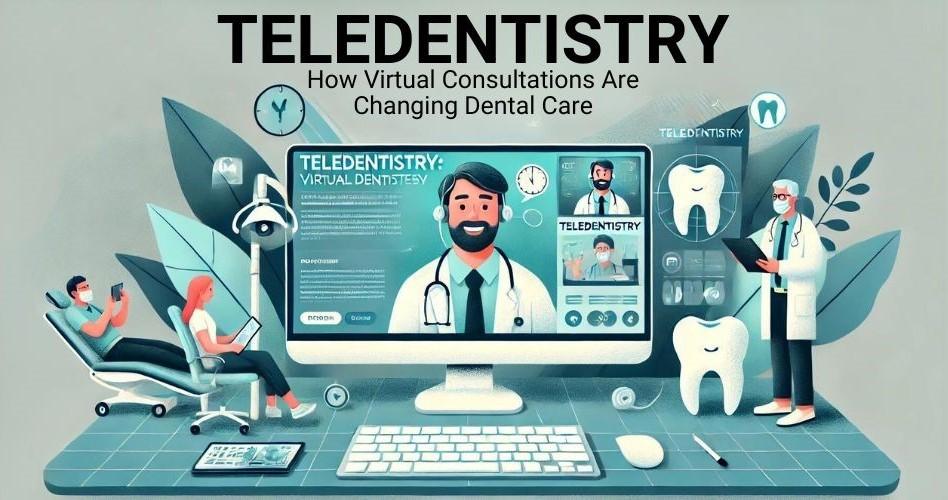
Teledentistry is no longer fleeting. ADA-approved codes such as D9995 (live consults) and D9996 (asynchronous consults) are now billable avenues through remote platform. Integrated billing software now seamlessly manages telehealth—elating eligibility, treatment codes, patient communication, and claims tracking for virtual visits. Billing platforms also integrate payment portals and SMS reminders so that patients can pay conveniently after tele-consults. As teledentistry evolves, billing platforms will probably include pre-built workflows—remote consent capture, eligibility checks, and remote documentation attachments.

4. Advanced Denial Management & Predictive Analytics ????

It's no longer sufficient to simply monitor denials; practices are leveraging software analytics to:

  • Identify denial trends by code, payer, and provider.
  • Track claim lifecycle metrics such as aging AR, first-pass ratios, and net collection rates.
  • Automate appeal processes by matching denial reason codes to templated narrative responses.
  • A Healthcare RCM report indicates enhanced denial analytics can lower revenue leakage by more than 20%

These data-driven dashboards provide administrators with instant insight into financial workflow health and enable focused staff training.

5. Patient-Centric Billing Experiences 

Patients increasingly expect the same degree of digital transparency and clarity available in retail and finance apps. Billing software is answering with:

  • Clear cost estimates at scheduling based on eligibility checking.
  • Online payments with mobile-friendly links via email or SMS.
  • Flexible EMI payment choices, integrated with providers such as Stripe or Sunbit.

This strategy keeps no-shows based on finances low, increases case acceptance, and preserves patient trust. Research indicates transparent billing directly leads to increased patient satisfaction—and fewer payment complaints

6. Security by Design and Regulatory Compliance

With HIPAA audits, GDPR, No Surprises Act, and more ransomware threats, billing systems need to provide:

  • End-to-end encryption and database protection.
  • Multi-factor authentication and role-based access.
  • Complete logging, version control, and annual audit reports.

With evolving digital threats, encryption and access controls should now be standard features, not options Qiaben Health Precedence Research. Vendors must also provide compliance documentation.

7. Emerging Technologies: Blockchain, AR, and Beyond 

Although still nascent, there are a number of emerging technologies beginning to surface:

  • Blockchain provides potentially immutable records that can enhance claims transparency and integrityarXiv.
  • Augmented reality (AR) provides for immersive training simulations for front-desk personnel to rehearse coding and billing processes.
  • Chatbots and voice AI manage appointment confirmations, estimate requests, or billing FAQs—so frontline teams can concentrate on harder work.

These technologies are establishing trust and efficiency for next-generation practices.

8. Hybrid & Fully Outsourced Billing Models 

Billing is becoming a hybrid service—where practices maintain control of eligibility verification and patient-facing payments, while outsourcing coding, submission, denials, and AR to specialized vendors. That means:

  • More rapid turnaround times (usually in 48 hours or less).
  • Improved coding accuracy with AI.
  • Transparent reports and workflows.

Practices achieve scalability, lower staffing burden, and greater collections through the blend of office control and specialty services. Most contemporary platforms support both models.

9. KPI Dashboards & Performance Monitoring 

Leading systems in 2025 provide dynamic dashboards to monitor:

  • Days in AR (<35)
  • First-pass acceptance rate (>90%)
  • Denial rate (<10%)
  • Net collection rate (>98%)

Trend analysis is driven by analytics tools such as Power BI or Tableau integrated into the billing system. From analyzing volumes, provider performance, payer trends, bill errors, and patient satisfaction, practices can improve staffing, training, and financial health continuously.

Practice Preparation Required 

In order to reap maximum benefit from these technologies, practices should:

  • Perform a platform audit – Detail existing software, integrations, AI capabilities, mobile functionality, and update mechanisms.
  • Review security posture – Confirm encryption, audit logs, MFA, and compliance documentation.
  • Clarify your model – Choose between in-house, outsourced, or hybrid billing by volume, personnel, and ROI.
  • Train staff on new tools – Offer onboarding modules for AI claims scrubbing, dashboards, telehealth workflows, and analytics.
  • Pilot innovations – Begin with a blockchain ledger pilot, AR billing workshop, or AI denial analytics.
  • Monitor KPIs regularly – Monitor AR aging, patient payment delay, denial rates, and collections on a monthly basis.

In the Future: Anticipated Developments 

2026–27: AI-denial robots automatically submit appeals; blockchain pilots go into practice management; teledentistry codes go mainstream.

Dental billing software is no longer an afterthought necessity—it's now a strategic competitive tool. Practices adopting these trends will have superior financial performance, patient allegiance, and operational durability in the next dentistry wave. 

Ready to Upgrade? 

Should you need assistance transitioning to future-ready billing, Qiaben Health can assist with:

  • Software assessment that aligns with critical trends.
  • AI and automation integration.
  • Remote/hybrid onboarding.
  • KPI dashboards and training programs

Essential Role of CDT Codes in Dental Billing: Accuracy Matters

· 3 min read
Qiaben Health

Dental billing is important for dealing with successful dental practices. Current Dental Terminology (CDT) codes are at the heart of it. These codes are maintained by the American Dental Association (ADA) and annually updated.These codes are important for precise dental procedures, insurance claims, and neglect of compliances.

What are CDT codes? 

CDT Codes are normalized codes used to precisely record and report dental strategies. Their motivation is to guarantee consistency in records, smooth out protection asserts, and coordinate with Electronic Health Records (EHRs).

CDT Codes

Key Purposes: 

  •  Announcing techniques on ADA guarantee structures.
  •  Determining eligibility for insurance reimbursement. 
  •  Ensuring smooth and efficient claim processing. 

Why accurate coding matters

1. Streamlines Insurance Claims 

Exact CDT coding guarantees that protection suppliers can obviously comprehend the medicines a patient got. At the point when codes are wrong, cases might be deferred or denied, prompting disappointment for both the dental office and the patient. Legitimate coding improves on the repayment cycle and rates up instalments. 

2. Prevents Revenue Loss

Blunders in coding, for example, undercoding (not charging for all administrations given) or over-coding (charging for administrations not delivered) can essentially affect a training's income. Under-coding prompts lost pay, while over-coding can bring about reviews, fines, or even lawful activity.

Dental practices  must be ethical and follow some standards. when it comes to CDT codes make sure to avoid misuse codes ,it may lead to compliance issues and allegations of frauds.

4.Improves Patient Trust

Straightforwardness is the key to gain trust with patients. Precise coding practices help to explain about patients' coverages and insurance claims. This clear communication with patients will lead to building trust with patients.

5.Supports Comprehensive Documentation

CDT codes play an essential role when it comes to patient records. Precise documentation is important to keep the patient's trust and then they will continue with us.

Normal Difficulties in CDT Coding: 

In spite of its significance, CDT coding isn't without challenges. 

Yearly Updates:

Remaining current with yearly code changes can plague.

Preparing Holes:

Without appropriate preparation, staff might make incessant blunders. 

Complex Strategies:

Certain dental medicines might require numerous codes, improving the probability of mix-ups. 

Best Practices for Exact CDT Coding: 

1.Stay Updated:

The ADA discharges updates to CDT codes consistently. Make sure  your team should focus on updated coding.

2.Invest in Training:

Give regular training classes for billing staffs.It will improve the confidence of your staff while facing difficult situations.

3.Use Technology:

Influence dental billing software with code check highlights. Using these tools we can avoid time-consuming processes.

4.Conduct Regular Audits:

Frequently check with coding practices to avoid the mistakes before costlier.

5.Join with Insurance Experts:

joining with a professional advisor to avoid the complex situation.

Conclusion:

Precise CDT coding is more than billing ,it's an essential for dental practices. Provide more importance to the coding and join with dental professionals for insurance claims it will enhance the revenue side and can gain the trust of our patients. Investing more in tools, technology and CDT coding will lead into powerful success.

How to Train Your Team for Effective Dental Billing Processes:

· 7 min read
Qiaben Health

Dental billing is no longer a clerical task—it is today a critical function with immediate ramifications on revenue, compliance, and patient satisfaction. Misfiled claims, late submissions, or unbilled staff who don't know about new CDT codes can cost practices thousands of dollars a year. That is why investing in formal training for your dental billing personnel is one of the smartest things that a practice can do in 2025 and beyond.

This in-depth guide covers methods, equipment, and best practices you can use to train your employees for the best dental billing practices. From one-site practices to growing DSOs (dental support organizations), the right training will enable you to reduce denials, streamline workflows, and realize more collections.

team dental billing

Why Dental Billing Training Is Essential

Dental billing is just making claims, getting paid, reconciling—well, it's one of the toughest practice management fields, actually. Insurance rules are constantly changing, CDT codes are updated annually, and patients' demands for billing transparency just keep growing.

Well-trained, staff eliminates:

  • Unacceptably high denial rates due to coding errors or lack of documentation.
  • Delays in payment from insurers.
  • Regulatory threats for HIPAA, No Surprises Act, and payers.
  • Aggravated patients who have no idea what they're saying or paying out-of-pocket

Training ensures that employees can:

  • Work dental billing software and practice management systems with ease.
  • Accurately apply CDT and ADA codes.
  • Be aware of payor policies and submission rules.
  • Handle denials and appeals in an effective manner.
  • Communicate effectively to patients about their bill.
  • Plain and simple: properly trained billing staff keeps your practice financially healthy and your patients happy.

team dental billing Click here

The Must-Have Training Topics Every Dental Billing Team Needs to Know 

When creating your team's training program, it's essential to address the following topics:

1. Billing Workflow & Best Practices

All staff members should know how claims flow through your system, from patient check-in to payment. This would include eligibility checks, treatment plan estimates, claim submissions, and posting payments. A well-defined workflow keeps all the tasks from falling through the cracks.

2. Mastering Dental Software

Billing is software-based. Training should include:

  • Entering treatment plans properly.
  • Running insurance aging reports.
  • Posting payments and adjustments.
  • Creating financial performance dashboards

Even experienced billers can overlook utilizing functionalities of your PMS or EHR system. Software mastery translates into efficiency and accuracy.

3. CDT Coding & Annual Updates

The ADA publishes new CDT codes annually. A slight deviation in a single code can make the difference between a paid claim and a denial claim. Teams need to:

  • Become up to date with new and removed codes.
  • Learn requirements for documentation of certain procedures.
  • Know medical vs. dental coding differences for crossover claims

4. Insurance Payer Policies & Rules

Each payer is unique. Training should prepare staff to:

  • Read explanation of benefits (EOBs).
  • Monitor frequent causes of denial by payer.
  • Make changes on claims for various networks (PPO, Medicaid, etc.).
  • Be aware of state and federal policy changes

5. Denial & Appeal Management

No matter how accurate your staff is, denials will occur. The key is to understand how to respond in a timely manner. Training needs to include:

  • Denial patterns recognition.
  • The use of templated appeal letters.
  • Tracking resubmissions and responses.
  • Escalating appeals as needed

6.Compliance & Security

HIPAA, GDPR, and regulations require billing information to be kept secure. Staff must be trained in:

  • Responsible handling of patient information.
  • Use of secure communication lines.
  • Compliance with the No Surprises Act's transparency requirements.


Training Formats That Get Results 

Training is not a one-size-fits-all solution. To generate sustainable outcomes, exercises must integrate multiple learning styles:

Workshops & Boot Camps: 

Hands-on activities where staff work through billing processes within a mock environment.

Online Courses & Webinars: 

Easy-to-use solutions on issues like CDT revision, denials management, or HIPAA training.

Certification Programs: 

Certifications like Certified Dental Billing Specialist (CDBS) confirm your staff's competence and build confidence.

Peer-to-Peer Training: 

New hires are trained by veteran billers, employing real-life scenarios and troubleshooting tips.

Mock Audits & Case Studies: 

Mock audits allow employees to find errors and learn how to correct them before affecting revenue.

The use of live training combined with on-demand materials maintains training adaptable and accessible for all learning styles.

Building a Continuous Training Culture 

One of the mistakes practices commit is equating training as one act. In reality, billing requires ongoing learning. Here's how to establish a culture of ongoing learning:

Quarterly Code Review Sessions

Take time every quarter to review new CDT codes, payer rule changes, and common denial reasons.

Monthly KPI Review

Use billing dashboards to track first-pass claim rates, denial percentages, and aging accounts. Connect these metrics to training topics.

Team Knowledge-Sharing

Promote employees to talk about payer updates or coding information during regular meetings.

Annual Compliance Training

Refresh employee knowledge of HIPAA, GDPR, and the No Surprises Act.

Personal Development Plans

Provide for individual goals, including certification or advanced billing skills, and reward achievements.

Measuring the Impact of Training 

Training only works if it makes a measurable difference. Procedures should track:

  • Denial Rate– Reduction in denials after training means employees are coding more accurately.
  • Days in A/R– Faster collections equate to improved claim handling and follow-up.

More to the point, first-pass claim rate:

  • Increased acceptance rates translate to fewer resubmissions.
  • Patient Satisfaction – Decreasing complaints about billing point to patients getting clearer communication.

By tying training to performance, you can show:

ROI Areas where more focus is required.

Tools & Resources for Dental Billing Training 

Below are some trusted resources that will take your training program to the next level:

  • ADA CDT Code Book & Guides – An absolute necessity for annual updates.
  • AAPC Courses– Comprehensive coding and billing certifications.
  • Dental Claims Academy – Offers framework modules and mentorship.
  • Dental Zing Webinars – Live and recorded webinars on billing and coding subjects.
  • Practice Management Software Tutorials – Many vendors offer free training videos and certification courses.
  • Having internal resources and external tools creates a balanced training environment.

Creating a Training Roadmap 

An effective billing training process does not have to be complicated. Here is an example roadmap:

Month 1: Complete current billing performance audit; identify gaps.

Month 2: Perform a billing boot camp on workflow basics.

Month 3: Start software mastery classes.

Quarter 2: Add CDT update training and denial management seminars.

Quarter 3: Focus on payer-specific rules and compliance.

Quarter 4: Conduct mock audit and review yearly performance metrics.

Your staff will have core and advanced knowledge at year's end.

Preparing for the Future of Dental Billing 

Billing is evolving rapidly. Offices must prepare their staff for emerging trends such as:

  1. AI-driven claim scrubbing to avoid mistakes prior to submission.
  2. Cloud billing solutions for remote employees.
  3. Virtual consult codes for teledentistry billing.
  4. Blockchain pilots for open claims.
  5. Training your existing staff to embrace these technologies ensures that your practice won't fall behind tomorrow.

Conclusion 

Staff education for effective dental billing processes is one of the most impactful investments you can make in 2025. It's not simply about denials reduction—it builds trust, boosts patients' trust, ensures compliance, and ultimately boosts revenue.

By tackling the most important billing areas, through the use of numerous types of training, by tracking results with KPIs, and staying up-to-date on emerging trends, your practice can create a high-performing billing department ready for tomorrow.

We at Qiaben Health can help you create billing systems that work—from software integration to staff training and KPI tracking. If you're ready to take billing performance to the next level, we can guide you through it step by step.

Handling Denials and Appeals in Dental Billing: Best Practices

· 7 min read
Qiaben Health

Handling Denials and Appeals in Dental Billing: Best Practices

Dental billing denials can affect the revenue cycle; late payments and more problems are there. To identify the reason for denials and clear it, a proper revenue cycle, and give confidence to the patient’s. Let’s see the best practices for the dental billing:

Dental billing

1. Identify the denial reason: 

    First, identify the denial reason and then try to resolve the issues. 

  • Incorrect Data: 

             Missing data can be one of the reasons for the denials: incorrect name, missing insurance ID, incorrect date of birth, and treatment codes. Using the wrong procedures can also lead to denials. 

  • Copy Claims: 

             Submitting the claims multiple times can also be considered a copy claim. Sometimes in the clinics they are submitted multiple times by mistake.

  • Policy Constraints: 

             Some treatments may not be covered under the patient's policy, so patients have to exceed their annual benefit limit. This is a very common procedure. 

  • Approval Issues: 

             Most of the dental procedures get early approval from the guarantor’s. If it fails to get the approval from the guarantor, it’s an immediate denial.

2. Set Up a Forswearing The board interaction 

    Making an organized refusal of the executives cycle is fundamental for taking care of dissents productively. A proper framework makes it simpler for your group to answer rapidly and without fail to disavowals, diminishing the opportunity of lost income.

  • Beginning Evaluation: 

           When a refusal notice shows up, promptly survey it to comprehend the reason why it was denied.Was it because of a missing record, a wrong code, or a guarantor strategy issue? Recognizing the main driver decides the following stages.

  • Survey and Approve: 

          Twofold actually take a look at the case data to guarantee the disavowal reason is exact. At times disavowals are given in blunder by the insurance agency, so checking the details is fundamental.

  • Report Everything:

          Keep an itemized record of all guarantee-related archives, including beginning accommodation subtleties, disavowal sees, correspondence logs, and allure reactions. This documentation is urgent on the off chance that you want to raise the allure.

  • Dole out Liability: 

          To guarantee disavowals don't escape everyone's notice, assign a particular colleague or group to supervise forswearing the executives. Having a responsible individual guarantees subsequent meet-ups are ideal and coordinated.

Star Tip:

Consider utilizing a computerized global positioning framework to log and screen every dispute case. This can assist your group with following the situation with each case and following up inside suitable timetables. 

3. Act rapidly on refusals. 

      There's no time to waste while managing dissent. Numerous protection suppliers have severe courses of events for submitting requests, so it's vital to go about when a refusal is gotten. This is the way to keep steady over your allure window:

  • Focus on pressing cases: 

             A few requests might have more limited windows for resubmission. Distinguish these cases early and work on the most critical requests first. 

  • Set a Standard Reaction Time: 

            Plan to survey and answer objections within 7–10 days of getting the warning. A proactive methodology keeps your group from missing basic cutoff times. 

  • Screen Allure Cutoff times:

           Monitor various backup plans' allure windows. Some might permit 30 days, while others license as long as 90 days, contingent upon the arrangement type. Mark these cutoff times in your records for reference. 

Master Tip: 

Utilize a common schedule or undertaking the board instrument to log claim cutoff times. Along these lines, your group can rapidly see which requests need prompt activity. 

4. Submit Precise Requests 

    It is critical to specialize in a compelling allure. Protection suppliers anticipate clear, exact, and all around upheld documentation while surveying an allure. Here are best practices for making a fruitful allure: 

  • Utilize Right Documentation:

             Each allure ought to incorporate the vital administrative work, for example, patient records, treatment notes, guarantee structures, and pre-approval archives (whenever required).

  • Incorporate a reasonable clarification: 

            Compose a compact, however exhaustive, allure letter making sense of why the case ought to be supported. Address the particular justification for refusal and give a direct clarification of why it's mistaken or deficient. Support your clarification with proof from the patient's treatment plan. 

  • Follow Up Routinely:

           In the wake of presenting an allure, don't accept it will be handled naturally. Follow up each fourteen days to beware of the allure's status and track each development. 

Star Tip: 

A few safety net providers have layouts or rules for requests. Utilize these to structure your allure letters for a higher likelihood of coming out on top. 

5. Influence Innovation 

    Dental charging programming and income cycle the executives stages can smooth out the refusal and allure process via computerising assignments, decreasing mistakes, and working on generally effectiveness:

  • Guarantee Cleaning Instruments: 

             These apparatuses survey claims before accommodation, checking for normal blunders and assisting you with rectifying them proactively. This by itself can lessen disavowals essentially.

  • Robotised Following: 

             Charging programming with following abilities assists you with observing case situations with dissents for guaranteed surveys and following cutoff times. 

  • Information Examination: 

             Use investigation highlights to screen disavowal designs. Recognising continuous forswearing reasons or patterns can assist you with carrying out unambiguous preventive measures. 

Expert Tip: 

Assess and pick a dental charging program that best meets your training's requirements, taking into account cost, ease of use, and explicit elements for overseeing refusals.

6. Instruct Your Staff 

            Charging groups assume a basic part in limiting refusals, so customary preparation is fundamental. Staff individuals ought to figure out the subtleties of insurance contracts, coding guidelines, and the normal explanations behind disagreements: 

  • Train on Coding and Documentation: 

             Legitimate coding is fundamental for precise charging. Hold standard instructional courses to refresh your group on the most recent coding practices and documentation necessities. 

  • Give Refusal The executives Preparing: 

            Instruct your group on recognizing, making due, and engaging disavowals really. Guarantee they're mindful of backup plans' particular prerequisites and allure processes. 

Master Tip: 

Ordinary preparation can likewise forestall staff burnout by furnishing them with the devices and certainty to successfully deal with disapprovals and requests.

7. Speak with Patients

   Clear correspondence with patients about their inclusion and potential expenses goes quite far in forestalling false impressions. Patients frequently don't understand the constraints of their dental inclusion, and a disavowal can come as a shock. This is the way to deal with this:

  • Set Assumptions Right on Time: 

             During admission, survey patients' protection inclusion with them, particularly for significant expense medicines. Make sense of any personal costs that might emerge assuming that a case is denied.

  • Keep Patients Informed: 

             On the off chance that a case is denied, illuminate the patient quickly. Give an unmistakable clarification of the refusal reason and the following stages for the allure interaction.

  • Help with Requests:

             A few patients might feel overpowered by the disavowal and allure process. Offering help can assist them with feeling upheld and esteemed. 

Ace Tip:

Consider making a leaflet or present on normal insurance contracts and forswearing reasons. This can be a useful asset for patients to reference and may decrease different kinds of feedback about inclusion.

By executing these prescribed procedures, your dental practice can limit refusals, bid denied guarantees productively, and keep a smoother income cycle. Viable forswearing the executives requires persistence, precision, and association; however, it takes care of itself through better income and more noteworthy patient fulfilment.

Mastering the Dental Billing Process for Optimal Efficiency

· 4 min read
Qiaben Health

Mastering the Dental Billing Process for Optimal Efficiency:

 The dental billing process is an essential to the victory and fiancial health of any dental practice.Dental billing process has more challenges like claim denials, payment cycle is very slow and satisfying patient expectation around billing.This process helps you to optimise your dental billing process and optimise the cash flow ,reduce errors and give a easy experience for both patients and staff. Mastering these procedure helps patients financially and also increases patient satisfication.

1.Essentials of Dental billing:

   1.1  Key Phrasing

       For anybody new to dental billing, it is urgent to figure out essential phrasing:

  • EOB (Explanation Of Benefits):

            This report from the protection supplier makes sense of what administrations were covered, instalment sums, and the leftover equilibrium.

  • CDT Codes (Current Dental Terminology):

            These are normalised codes used to report dental administrations. Remaining refreshed on CDT changes is fundamental for exact case entries.

  • Pre-approval versus Pre-assurance:

            Make sense of the distinction between these terms for assist rehearses with understanding when they need to look for endorsements.   

   1.2  Steps in the Dental billing Cycle:

      Give a significant level gander at each move toward the billing cycle:

  • Patient Enrolment: 

            Collect the important details like demographics and insurance information.

  • Protection Check: 

            Affirm the patient coverage, deductibles and co-pays .

  • Guarantee Accommodation: 

           Guarantee all codes are right, and important documentation is connected.

  • Subsequent meet-ups on Denied Cases: 

           Address any issues proactively to rapidly resubmit.

  • Instalment Posting: 

          Record instalments from protection and patients.

  • Patient Charging and Follow-up:

         Convey patient articulations in the event that there's any equilibrium and circle back to exceptional sums.

Master dental billing process

2. Segment : Common Difficulties in Dental Billing

     2.1 Exploring Complex Insurance Contracts

          Numerous dental workplaces battle to remain refreshed with the subtleties of every insurance supplier's contract. Arrangements much of the time change, which can affect inclusion qualification. Suggest checking these subtleties before every arrangement to stay away from shocks.

     2.2 Case Refusals and Postponements

          Cases can be denied because of reasons like inaccurate patient data, coding blunders, or missing documentation. Share the top explanations behind dissents and how to stay away from them, similar to twofold really taking a look at subtleties before accommodation or setting up cautions for missing information.

     2.3 Overseeing Extraordinary Installments

          Neglected patient adjusts can make income issues. Talk about normal reasons patients defer installments, for example, disarray over what protection covers, and how clear correspondence can address these errors forthright.

Mastering Dental Billing Efficiency

3. Steps to optimise the dental billing process:

  • Accurate patient information: 

           The important to collect a correct and complete information about the patients to prevent the billing issues.

  • Verify insurance details:

           In advance verify the patients insurance details it helps to know about the patient coverage, deductibles. Tools or services that can help streamline verification.

  • Use accurate CDT codes: 

          Use the accurate CDT(Current Dental Terminology) coding and keep up-to -date.

  • Smooth out Guarantee Accommodation:

          Examine computerised guarantee accommodation versus paper documenting, and suggest involving a dental practice the executives programming for following cases.

  • Keep steady over Denied Cases:

          Recommend having a devoted colleague circle back to denied guarantees rapidly to determine issues and resubmit.

  • Lay out a Patient Instalments Strategy:

         Exhort on making clear approaches for patient instalments, co-pays, and post-protection changes in accordance with limit extraordinary equilibriums.

  • Put resources into Preparing and Innovation:

         Empower preparing for charging staff on the most recent systems and utilising refreshed programming to remain coordinated and proficient.

4. Segment : Advantages of a Smoothed out Dental billing Interaction

  • Further developed Income: 

         Make sense of how faster instalments benefit the training's income.

  • Upgraded Patient Fulfilment: 

         Depict how exact, convenient charging can work on the patient experience.

  • Diminished Authoritative Weight: 

         Feature the time saved with effective billing, permitting staff to zero in more on understanding consideration.

Conclusion:

    Sum up the primary concerns and urge dental practices to put time and assets in their charging processes. Notice that while it might require some work forthright, the drawn out productivity gains, monetary dependability, and patient fulfilment make it definitely justified.

Effective Dental Billing Practice

· 13 min read
Qiaben Health

1.An Approach to Revenue Optimization.

     Revenue maximization in a dental practice can be achieved through effective billing. Dental
practices that enhance their billing systems, manage claims efficiently, and educate and
communicate with the patients can enhance their revenue and the patient experience. Below
are some key strategies for optimizing dental billing to maximize revenue.

2.Billing errors: Their nature and their cost.

Typical billing mistakes and the perspective of billing on dental practice profitability.

      Some common billing errors found within dental practices can adversely affect a practice in a number of ways, namely revenue, patient contentment, and cash flow. The recognition and rectification of these mistakes is important in ensuring that the practice runs smoothly and the finances are in order. Below is a compilation of some of the most common billing mistakes and the costs that are associated with making them. Billing errors are common even in the most basic of practices: They have poor management performance to begin with and include such errors as late billings, unpaid invoices, payments that do not match up, or lost lawsuits. Addressing these problems with the staff, with the billing system, and with the patients themselves should help reduce many of these common mistakes. Billing accounts, bill collection, and cash flow management can all be improved, which should result in enhanced care.

Statistics on denied claims and associated with denied claims rework

      Dentists often try to tell their patients that insurance coverage is an endless resource. What
they do not know, however, is that there are almost always limits, and these limits run the show. They cause late payments, more administrative tasks, and missed earnings if no action is taken quickly. Here are important figures on the performance of denied claims and the volume of rework together, illustrating the scale issues in healthcare and dental claiming. Denied claims, together with the cost of reworking them, are an additional financial burden to the dental practices. An average denial level of 5% to 10%, together with creating and submitting a claim, which costs around $25 per claim, can lead to a loss of revenue in the order of thousands of dollars. In fact, practices manage to recoup only 55% to 65% of the denied claims, which means a lot of money in potential earnings is lost forever. Such costs can be reduced and the overall profitability of dental practices increased by adopting measures to prevent the occurrence of denials, such as correct coding, making sure clients have adequate insurance cover, and the use of billing software applications.

3.Case studies or examples illustrating the financial impact of billing mistakes

    Case studies or examples illustrating the out-of-pocket cost of billing errors on the other hand, it is appropriate to provide several cases and examples from dental practices to show how billing errors affect the bottom line. These case studies focus on revenue loss, increased overhead, and cash flow issues arising due to billing errors. A few instances are noted below to highlight the revenue losses arising from the more common billing mistakes.A small dental practice with five employees had to be constantly frustrated over the rejection by patients’ providers with regard to claims as a result of the inability to correctly apply CDT codes. The practice's staff members were inadequately trained for correct coding of such procedures as root canals and crowns due to perennially outdated coding programs in the practice. This resulted in a majority of claims being thrown to the waste paper basket or in a situation where the payers of the policies made partial payment

i) Taming the Process of Billing

   The recent trends in billing systems have been adopted by almost all dental practices with the intention of speeding up the late payment, decreasing the incidence of billing mistakes, and enhancing the inflow of cash. The billing systems can also be streamlined in such a manner that claim denials, patient displeasure, and lost income are all alleviated.The following outline presents the major strategies for increasing the effectiveness of the billing system in a dental practice.Duties like submitting claims, tracking payments, and following up on claim submissions have all become automated with the use of most of the modern dental billing systems. Seek to check for patients’ insurance compatibility plus the patient’s insurance policy use coverage limits prior to the booking of the appointment. More importantly, there are systems that make it possible to track the progress of claims submitted to insurers and give feedback after appealing a denied claim or making inquiries on unpaid claims

ii) Automation and technology solutions

   Claim submission and posting of payments are operational aspects cut out for dentists billing software, which is able to assist the practice in availing a reduced number of errors made manually and even the burden of administration work. Examples of the functionalities of the software used for the wobbling of the finances of the organization include

iii) Automated Claims Submission

   This function allows automated submission of only insurance claims electronically. It leads to a shorter time needefor making those claims in the eventualities that they have to be made. Before submission, many software systems detect
some errors, which help enhance the denial rates

iv) Real-Time Eligibility Checks

   The dental billing software assists in carrying out insurance eligibility checks before surgical procedures or treatment, which helps the practice know the services that may be covered, thereby reducing the amount of rejections caused by enrolment
issues.

v) Artificial Intelligence (AI) in Dental Billing

   Al-powered solutions are the quickest form of technology that is being adapted by many dental practitioners in the processes that relate to dental billing with the aim of ensuring accuracy, reducing human errors, and managing revenue cycles. Artificial intelligence technology interprets large amounts of data to relate information, errors, and future plans, which enable dental practices to improve their decisions as well as their financial
performance.

4. Applications of AI in Dental Billing.

i) Denial Avoidance

Pre-billing coding, documentation, or eligibility validation can be performed by AI before claims are submitted, which assists in significantly reducing the rate of denial. This eliminates the need for expensive and time-consuming corrective measures.

ii) Predictive Modeling

AI can quickly assess historical billing data in order to assess the reasons as to which claims are likely to be denied. This allows practices to take steps to avoid such situations.

iii) Automated Claims Adjudication

Certain AI systems can streamline the claims review process by approving or denying claims based on insurer guidelines, which shorten the revenue cycle..

iv) Intelligent Revenue Cycle Management (RCM)

With AI, RCM systems have been able to leverage intelligent all-throughout the billing process by looking at the history of the claims, analyzing their various reasons for denials, and giving them process improvement recommendations.

5. Relevance of hand-in-hand real-time insurance verification and cash flow management

   As a dentist, one must understand the need and importance of real-time insurance verification in practice. This is  done even before a procedure in order to make sure that common procedure-related claim denials, late payments, or uncollected balances do not arise. We will now delve into real-time insurance verification, its relevance, and its impact on cash flow. By the use of, in conjunction with other tools and add-ons, real-time insurance verification, the majority of patient payment denial, payment reconciliation, etc. complaints are solved, thus allowing the dental practice to control cash flow effectively from the start of the business. As a practice fully understands the scope of coverage and what is at stake, the likelihood of additional valuable human resources being wasted on bill settlement decreases, thus streamlining the entire billing process. Consequently, this improves practice overall finances, patient contentment, effectiveness of revenue generation cycles, and many other day-to-day activities of the practice

6.The Last Resort: Strategies for Denial Management

Factors that contribute to a denial of an insurance claim and effective ways to resolve the same.

Similar to EFTs, claim rejections can paralyze the payment process for months and cause excessive workload and pain to all administrators in dental clinics. It is to one’s benefit tocome across their common instances and challenges and how to tackle them. That is precise, the order of claim submission is the most important aspect that affects the rate at which claims are honoured as well as the contents of the claim.

Here’s a summary of the most prominent reasons for claim denials and how to deal with them efficiently. There is probably the most intense management of claim denials, which combines thorough education, moving towards the timely verification of insurance, moving towards accurate description of rendered procedures, and timely submission of claims as well as addressing several denial reasons. By addressing common denial reasons and moving towards best practices, tooth care facilities will be able to reduce the number of times they have been audited, improve their income cycle, and also facilitate faster payment.

How to track and interpret refusal tendencies?

    Managing and interpreting trends in refusal of claims is particularly important for dental practices that are working to optimize their revenue cycle management processes. Looking at the reasons for claim denials and an understanding of the reasons, practices are then in a position to take corrective measures and reduce the practices’ frequency of claim denials while streamlining the claiming process. Here are some recommendations regarding tracking and interpreting refusal behaviours in more detail: vision, provide quick audits, and minimize bureaucracy. Tracking and interpreting refusal tendencies is believed to be a proactive measure that can potentially improve the financial standing of the dental practice. Developing and implementing good tracking designs, involving manpower, developing trends, and determination are required so that the number of claims and the chances of denial are reduced and cycles of revenue improved and contribute to patient care. Consistent monitoring and development of appeal processes will result in higher chances of acceptance and an effective bottom line.

How to successfully appeal denied claims in detail?

  Where there is submission of an appeal, claiming revenue is fundamental and always good practice within the dental services practices where lower income has been obtained to reduce losses. A successful appeal can be achieved through an organized and strategic approach. It may be, however, useful to give efficiently the steps to appeal denied claims. Oral health practitioners face a particularly acute problem in this regard because effective appeal of denied claims is key to preserving a positive operating cash cycle in the practice. Specific strategies for appealing must be adopted by practices, which include understanding the reasons for claim denials, producing appropriate records, and adopting a systematic approach to appeal litigation. There would be a need for continuous improvement in billing practices, which would also tend to bring down the expected numbers of claims that are likely to go through denial, and the practice’s financial position would be favourable.

7. Improving Patient Engagement in Billing

i) The need for costs and billing practices to be discussed in detail

   Costs and billing practices have to be explained properly for dental practices for such factors
as patient confidence, repayment completion on time, general satisfaction, and such other factors to be maximized. A range of standard determinants driving the effectiveness of explaining costs and billing practices have been provided below. Patients who are informed ahead of time about the costs associated with treatment are likely to prepare in advance. This is crucial when dealing with invasive procedures or ones that are optional. Patients and staff alike will find the billing process easier because they will receive clear instructions on the billing and payment procedures.

ii) Rounding off the billing in favour of the patients

   The patient-centred approach should include rounding off the billing in favour of the patients; this will in turn lead to high patient satisfaction and timely payments within the dentistry practices. The overall patient’s experience can be improved in dental practices by having a clear, friendly, and flexible billing policy. Make pricing details readily available at the practice and on the website where there are the most common procedures performed. For improving patient satisfaction, securing the collection of payment in a timely manner, and reducing the burden of anxiety regarding money, patient-friendly billing systems are of paramount importance. Dentists can ensure a positive financial experience for their patients through excellent communication, a range of payment choices, and appropriate help to patients. As a result, it cultivates loyalty and helps patients focus on their teeth without thinking about finances.

8.Using technology to enhance the patient experience

    It is possible to use new tools, improve processes, and enhance the satisfaction of patients that walk into a dental practice with the assistance of new technology. In this article, a number of positions on how to do the above are presented. Patients from dental practices have a more pleasant experience due to healthier convenience, better communication, and greater access to information, all made possible by advances in technology. The incorporation of these technological measures enables practice to increase efficiency, lessen administrative work, and eventually greater satisfaction and loyalty of patients to practice. Enhancing the patient experience is only one aspect or a stepping stone to the overall enhancement of the therapeutic/business of the practice. This positioning of the practice not only prepares it for current trends but future ones as well. 

9. Effective billing strategies bring about the best results in terms of income for practice.

   The following draws attention to the billing processes’ review cycle as well as their improvement and tries to summarize how the practices in question can improve a practice’s financial performance. When done right, it would be an effective way to maximize revenues in dental practices. The practices, however, can improve their financial position by employing precise codes, submitting claims at appropriate times, enhancing communication, providing multiple payment alternatives, and utilizing strong strategies to manage claim denials. And this continuous evaluation of billing and collection processes and their enhancement is also important for being responsive to changes in the environment and being competitive. A commitment to such continuous improvement practices will allow dental practices to not only be profitable but to also ensure that their patients have a pleasant experience.

Key Trends in Dental Billing for 2024:

· 9 min read
Qiaben Health

An In-Depth View for Every Practice The dental world is always on the move, and with-it advancements are made to the billing systems and revenue management processes. Proper utilization and management of the cash flow remain a core aspect, if not the most critical of all the processes in the organization. So, as the processes tend to be more and more intricate, practices need to have a pulse on shifts within the industry to avoid being inefficient and incurring huge mismatches. There are some beliefs. Likely trends are emerging in 2024 to further inform how they handle billing for better operations and client satisfaction. In this article, we will be discussing the trends in dental billing for 2024 and how these trends should be used by the dental practices in order to edge the competition and achieve greater growth. 

1. Automation and AI Integration in Billing

The movement towards automation and AI integration in billing Let’s begin our coverage with
what relates closely to the most critical processes of a dental practice. One of the most powerful
impacts is bound to be in the trends where the movement towards automation in addition to
integration of AI-powered solutions will become increasingly common practice.

As a result, they are now able to capitalize upon such technologies, which enable improved
efficiency in carrying out mundane everyday operations associated with billing. AI-based
billing solutions can seamlessly complete tasks such as submitting insurance authorizations,
checking eligibility, and even bill coding.

The use of AI can lead to reduced chances of claim rejections, faster reimbursement, and lower
time spent on manual processes. Also, it can be helpful in the administrative part since
automated systems could detect problems like coding or having the correct eligibility for a
patient prior to the claim submission.

How to Leverage This Trend:

  Look for dental billing management systems that have a built-in artificial intelligence
feature.
• Get your staff acquainted with workflow automation tools to make the transition from
a manual process easier.
• Make sure to consistently assess and modify the system in line with new laws and
coding developments.

2.More practices are outsourcing their billing responsibilities.

Previously, Edmonton dental billing practices relied on the dental office's internal billing
teams; billing practices have evolved with time, and now more practices are outsourcing billing
during the patient's payment cycle. Outsourcing of dental billings allows the dental practices
to give attention to the patients because the processes of coding, insurance billings, and general
tracking of claims become the responsibility of a third party.

Since dental billing has been outsourced, companies providing this service have gained
substantial operational knowhow on tooth-related billing. These providers assist in verifying
insurance, coding, submission, and handling incomplete billings. By working with a known
dental billing company, practices reduce costs and the cost of inaccuracies due to ill-trained
billers, and the practice maintains cash flow

• Balance the outsourcing pros and cons with the in-house management of billing system
users.
• Look for a professional dental billing services provider with extensive experience in
the region and in the area of specialization.
• Confirm that an outsourced provider implements compliance-centered regulations on
patient information, such as HIPAA policies.

3.Concentration on Real-Time Insurance Verification

Real-time insurance verification is the most demanded tool in dental billing software. In 2024,
there will be greater emphasis for patients to receive an estimate regarding their dental care
pricing. Additionally, it is crucial for the practice to establish concrete expectations concerning
the insurance plan’s coverage of the specific procedure even before the appointment begins.
Insurance verification tools, instant in their nature, are beneficial in the checking of patients'
coverage, co-pay amounts, deductibles, as well as the remaining benefits of the practice.

This trend is not only improving the experience of the patient but also decreasing the rate at
which claims are angered, and the need for further communication on the issue is raised. Armed
with an advance knowledge of how much patients would have to pay out of their pockets, they
don’t have to be shocked by additional payments after treatment while the practice is assured
that claims lodged are legitimate and sufficient.

What to Do

• Make real-time insurance verification tools available in your practice management
system.
• Give appropriate training to employees to ensure that such tools are used during
scheduling and check-in so as to facilitate patient visits.
• Ensure up-to-date records for each of the patient's insurance status to eliminate
misunderstandings.

Shift on the Patient Business Perspective As part of operating a dental practice, billing details
need to be as transparent as appropriate in the coming year of 2024, more so the payment
options available.

4.Focus on patient-centered billing

Due to the steady emergence of new healthcare costs, patients have become price-sensitive and
seek more transparency in the billing process.

The specialized billing services empower patients with efficient invoice-generating services
that allow them to explore their payment options with ease prior to the execution of said
invocations. Emphasizing patient-centered billing practices helps to enhance patient and
practice satisfaction by decreasing unwarranted expenses made by the practice associated with
uncatered bills or hidden charges.

How to Benefit from This Trend

Provide patients with several options when it comes to payment, including online payment
options, credit cards, or payment plans.

5.Adapting to Changes in Coding and Regulations

In the year 2024, developments relating to the updated CDT codes advanced by the American
Dental Association will determine how billing for dental services will be carried out
effectively. The calendar year of every year is associated with changes as new codes become
available while some codes become obsolete. This on its own spells out the need for continuing
education on the part of the dental billing personnel and constant modification of the billing
platforms in use.

In addition to these changes, newly introduced policies such as the No Surprises Act, which
aims to avert unexpected medical expenses, have changed the trend of how dental billing
practice is administered in practice—especially for such services that are offered out of the
network.

If the practices do not observe these minimum ethical standards, there is a risk of penalties and
erosion of patients’ trust in the practices.

How to Leverage This Trend

• Provide ongoing education for your employees or organize seminars so they become
up to date with the requisite CDT codes.
• Make sure that your billing software is operable with the most current codes and
regulations.
• Notify any patient when there are changes to the regulations concerning out-of-pocket
costs, if applicable, or insurance coverage

6.Tele-dentistry and the Remote Billing Practices: The Innovation Gap

The popularity of tele-dentistry has raised the issues of remote billing as well as created some
new issues. Because dental practices continue to expand their general practice and provide
dental services remotely, there will be a need for billing systems that would utilize telehealth- specific codes and other billing processes. In many instances, tele-dentistry codes bill a
different level for reimbursement, and these services may frequently be covered by a different
insurance policy than the insurance carried during an in-person visit. That will make it ideal
for practices to know the details of billing practices remotely.

Tele-dentistry is equally increasing the demand for smart, simple, and secure payment systems,
as most patients now prefer to pay for their remote consultation.

How to Leverage This Trend

• Ensure that your billing software utilizes the tele-dentistry coding and processes.
• Know the tele-dentistry insurance reimbursement policies applicable to your state.
• Facilitate secure online payments for patients who opt for virtual care.

7.Cherishing Denial Management and Resubmission of Claims

It is noticeable that in 2024, dental practices are looking towards managing denials more
effectively. A rejected or denied claim takes with it the cash of a practice, and as much as
possible, smarter systems of denial tracking and resubmission can be put in place so that such
losses do not linger on.

Claims denial management is best facilitated by dental medical billing software that features
some advanced functions. Such functions include obtaining the reasons for claim denial,
tracking or keeping a record on why some claims are often denied, and correcting them while
re-submitting claims and making all the necessary changes. Dental practitioners who employ
the best practices for denial management are able to obtain their funds faster with minimized
claim rejections.

How to Use This Trend to Your Advantage

• Use billing software with detailed reports on claim denial or rejection reports.
• Enable the staff working in practices to know the common coding and insurance denial
reasons.
• Effect prompt, simple, and effective simple processes that will verify the claim denial
reasons, rectify them, and resubmit the claim again

Conclusion

Nevertheless, the dynamics of dental practice billing are changing very fast, and if practices
are to be relevant in 2024, then they should adapt to the changes therein. For instance, the
incorporation of AI and automated solutions in billing, designing bills that are favorable to
patients, and staying abreast of the coding and regulatory frameworks are some of the changes
that will improve practice efficiency and revenue cycles.

It is true that other trends exist in practice. Those who manage these trends in their practices
easily get their practice operations in shape that will withstand the challenges of the future.

The use of outsourcing billing services or other new software solutions, if adopted, would help
dental offices increase their cash flow, reduce claim denials, and hence attain better financial results.

Revolution of Dental Billing: Top Trends for Modern Practices"

· 7 min read
Qiaben Health

!innovation of dental billing

As the dental billing industry increases gradually, especially the landscape of dental billing has undergone a lot of transformation and is driven by advanced technology, increasing the complexity of regulatory requirements. Traditionally, dental billing was used by a manual and time-consuming process to identify the errors, delayed payments, and claim denials. However, now with the help of automated and sophisticated software tools, dental practices are able to streamline billing workflows, reduce administrative burdens, and improve accuracy. The automation system helps to claim the submission faster, with real-time tracking and faster resolutions, which directly helps to practice’s financial health.

Simultaneously, changing guidelines are reshaping the way that dental administrations are charged. New coding frameworks, consistency guidelines, and insurance contracts require steady updates and watchfulness from dental workplaces. Rehearsals should remain informed about advancing principles to keep away from exorbitant punishments or disavowals. The joining of new innovations and a proactive way to deal with administrative consistency are becoming fundamental for works on intending to keep up with smooth charging processes, guarantee ideal installments, and give better understanding encounters. This developing scene features the significance of remaining in front of both mechanical headways and administrative changes to support functional productivity and benefit in dental consideration.

1. The Rise of Automation in Dental Billing:

     Automation of dental billing helps to reduce errors, speed up reimbursement times, and improve overall efficiency.

Automating dental claims processing leads to significant cost savings and increased revenue for dental practices by getting them paid faster. By reducing the manual labor, paper usage, and postage costs.

The advantages of utilising computerised charging frameworks are significant. They take into consideration faster case accommodation, continuous observing of guarantee status, and mechanised updates for circle back to neglected claims. This results in fewer deferrals, quicker installment, and a more steady income for rehearses. Also, robotised frameworks let loose staff from authoritative errands, permitting them to zero in more on persistent consideration.

A few dental practices have currently encountered the benefits of computerisation. For example, a few workplaces have detailed a sensational decrease in guarantee refusal rates and a critical reduction in the time spent on charging-related undertakings. These contextual analyses feature how robotisation can upgrade charging productivity, smooth out tasks, and work on the by and large monetary execution of dental practices.

2.Tele-dentistry and Remote Billing:

     The ascent of tele-dentistry is changing the way dental consideration is conveyed, offering remotely via audio and video discussions and follow-up organisations. This was changed during the pandemic and opened up new ways to connect patients, dental practitioners, and consultants worldwide. As tele-dentistry turns out to be more typical, charging rehearsals should adjust to oblige virtual administrations, which frequently include different protection codes and repayment structures contrasted with face-to-face care.

!Dental billing

To remember remote administrations for their charging frameworks, rehearsals should guarantee that they are appropriately coding tele-dentistry visits, adhering to explicit rules from backup plans and administrative bodies. This implies refreshing charging programming to deal with remote visit codes and guaranteeing that staff are prepared on the best way to handle these cases. It's important to speak with the insurance agency to confirm coverage details for tele-dentistry services and policies. To beat these obstacles, dental practices can put resources into tele-dentistry-accommodating charging stages that consequently apply the right codes and smooth out the repayment cycle. Also, proactive correspondence with protection suppliers and patients can assist with explaining the cycle, guaranteeing smoother exchanges and fewer case disagreements. Rehearses that embrace these arrangements are better situated to fulfill the developing need for virtual consideration while keeping up with effective and consistent charging activities.

3.The importance of data analytics billing:

      Data analytics is an essential tool for improving billing efficiency and accuracy for dental practices. By leveraging data, dental practices can identify insights in the billing processes and optimise in the revenue cycle. With the help of analytics, we can identify the inactive pinpoints, such as delayed payments and frequent claim denials. The data analytics tool helps to identify the pinpoints and improve the strategies to fix the issues. Following key measurements is essential for further developing charging execution. Significant measurements remember days for debt claims (A/R), which measure how long it requires for a training to get installsment in the wake of charging. Lessening days in A/R can fundamentally further develop income. Another basic measurement is guarantee disavowal rates, which show the level of cases dismissed by safety net providers. Checking this assists rehearses with recognising normal mistakes or issues in their charging entries that might be prompting disavowals. Moreover, patient installsment courses of events—how rapidly patients settle their bills—can uncover regions where better correspondence or installsment choices might be required.

!data analytics of dental billing

A few instruments and programming arrangements can assist dental practices with bridling the force of information investigation. Practice the executives frameworks and charging programming with worked-in examination dashboards permit clients to follow these critical measurements continuously. These apparatuses can likewise give point-by-point reports and representations, making it simpler for staff to decipher information and make significant strides. By embracing information investigation, dental practices can work on the precision of their charging processes, decrease blunders, and settle on more brilliant monetary choices to improve in general productivity.

4.Regulatory Changes and Compliance:

     The dental billing scene is liable to visit administrative changes that influence how administrations are charged, coded, and repaid. Current guidelines, like updates to HIPAA (Medical Coverage Compactness and Responsibility Act) and changes to dental charging codes like CDT (Current Dental Wording), expect practices to keep an elevated degree of carefulness. Furthermore, new guidelines are constantly being presented at both the state and government levels, particularly concerning tele-dentistry, patient information protection, and charging for remote administrations.

Remaining agreeable with these guidelines is vital for dental practices. Inability to agree can bring about serious results, including monetary punishments, lawful repercussions, and the expected loss of insurance policies. Rebelliousness can likewise prompt case dismissals or deferrals, which can disturb income and adversely influence the training's monetary wellbeing. Rehearses should guarantee that their charging cycles and programming are in the know regarding the furthest down the line lawful necessities to keep away from such dangers.

To stay aware of administrative changes, dental practices can depend on various assets. Online classes, presented by proficient associations like the American Dental Affiliation (ADA) or the Medical Care Consistency Affiliation (HCCA), give ideal updates on new guidelines and consistency techniques. Proficient associations and industry distributions likewise offer significant bits of knowledge, as well as systems administration open doors where practices can share tips and encounters. By using these assets and remaining educated, dental practices can guarantee their charging processes stay agreeable and effective, keeping away from exorbitant punishments and disturbances.

Conclusion:

      In summary, the future of dental charging is being formed by key patterns, for example, computerization, the ascent of tele-dentistry, the utilisation of information examination, and developing administrative necessities. These developments are driving more noteworthy proficiency, exactness, and versatility in charging processes.

For dental practices, it's vital to embrace these progressions to stay cutthroat and guarantee smooth income cycles. By taking on new advancements, remaining agreeable with guidelines, and utilizing information, practices can streamline their charging tasks and improve generally monetary execution. This is the ideal opportunity to adjust and improve for an additional smoothed-out and fruitful future.