46 posts tagged with "dental-billing"

View All Tags

Top Dental Billing Techniques in 2025: Maximizing Revenue and Efficiency

· 6 min read
Qiaben Health

As we transition into 2025, the dental practice is undergoing a global transformation in billing management. No market was left unscathed in the post-pandemic digital era, and dental billing is an information-based, high-tech process
rather than a paper-shuffling back-office operation. With tighter insurance demands, rising cost of doing business, and more patient expectations, mastery of dental billing is not something you can afford to do—survival and prosperity depend on it. 

Here, we dive deep into the optimum dental billing practices of 2025, how they maximize efficiency and profit, and the technologies and approaches successful dental offices need to adopt.

Why Billing Complexity Needs More Smarter Tools in 2025 

Billing is far more complicated today than it was only three years ago. Dental offices now have to contend with:

  • Impromptu CDT and ICD-10 code changes.
  • More numbers of insurance companies with differing guidelines.
  • Multi-site practices with varied workflows.
  • Patient expectations of seamless digital interaction.
  • HIPAA compliance within work-from-home environments

Besides, the shift to cloud-based in practice management systems (PMS) and artificial intelligence (AI) is revolutionizing billing processes. Dental billing is currently a high-level revenue cycle element that requires strategy, training, and appropriate tools.

1. AI-Powered Claim Scrubbing & Predictive Denial Prevention 

One of the
most innovative trends for 2025 dental billing is artificial intelligence in
order to prevent claim denials.

How It Works

Claim scrubbing technology powered by artificial intelligence screens for claims before submission to payers. They compare claim details to payer rules and denial patterns and identify possible issues early on. They notify missing
documentation, invalid codes, or policy loopholes.

Predictive Denial Scoring

Predictive algorithms assign billing personnel risk scores for claims so they can send the most at-risk claims first. AI products even automate appeals, reducing response times from days to hours.

Real-World Impact

AI scrubbing technologies have been shown to reduce 60-day claim denials by as much as 30%. They pay for themselves in efficient collections and reduced administrative rework.

2. Automate Billing Across Multi-Site Practices

For Dental Groups and DSOs, the answer to office-to-office consistency and control is automation.

The Challenge

Without centralized procedure, each office can have its own billing process, and that will create a different outcome, redundant effort, and delayed payment.

The Solution

Current billing software can computerize office-to-office billing SOPs. Dashboards thatare cloud-based allow  administrators to monitor in real-time performance KPIs like AR days, denial rates, and collection ratios.

Bonus: Workflow Bots

Task automation such as follow-up reminders,data entry, insurance verifications, and even monitoring staff productivity using AI are made possible by workflow bots.

3.Master Cross-Coding: CDT + CPT Strategies 

Dentistry falls into the majority of gray areas where both medical codes and dental codes may fit. Cross-coding creates a new source of revenue—if performed correctly.

How and When to Use Cross-Coding

  • Oral surgery (bone grafts, biopsies).
  • Sleep apnea appliances.
  • TMJ treatments.
  • Emergency trauma

How to Make It Happen

Computer billing systems can cross-code CDT codes into the same CPTs. Administrative staff need to be educated so that they can establish medical necessity and obtain the necessary documentation.

Why It Matters

Cross-coding maximizes carrier acceptance and allows for maximizing patients' coverage. It also opens the door to further reimbursement.

4. Optimize Patient Payments Using Integrated Platforms

Patients expect the same level of digital convenience they're seeing in banking and
retail. Offering current payment choices isn't nice to have—it's must have.

Seize Opportunities with Tools Such as Stripe

Most PMS systems natively support payment processors such as Stripe in the first instance. This facilitates automatic:

  • Payment reminders.
  • Recurring orthodontics or cosmetic package billing.
  • Mobile payments.
  • Upfront cost estimates.

Advance to the Practice 

Improved patient experience translates into faster payments, fewer collection problems, and better retention.

5. Security & Compliance by Default through Mandate 

All remote access and sharing of data in the modern world necessitates dental offices to attain checkbox compliance  plus.

Core Security Capabilities

  • Encrypted, cloud-based Practice Management System (PMS) solutions.
  • Multi-factor authentication (MFA).
  • Audit trails for every event.
  • Role-based access controls.

HIPAA Compliance Enhancements

New HIPAA audit regulations in 2025 require increased logging and visibility. Non-compliant practices face massive fines and reputation damage.

Recommendation

Scheduled mock audits and doc training staff prepare them and reduce risk.

6. Future Emerging Tech to Watch: AI Assistants, Blockchain & AR

Future dentistry billing has future-proofed technology that offers enhanced efficiency and accuracy.

AI Dental Assistants

In-virtual AI robots in your PMS can:

  • Authenticate insurance in real-time.
  • Auto-populate claims automatically.
  • Notify patients through message for balance updates

Blockchain for Tracking Claims

Slow to adopt, blockchain offers tamper-evident claims records that eradicate fraud and traceability altogether.

Augmented Reality (AR) Training

Used to train front-office and billing staff through interactive, immersive modules, AR is being at the forefront championed by trailblazing organizations, who are achieving phenomenal information retention and reduced onboarding times.

7. Measure What Matters: KPIs, Benchmarks & ROI 

To obtain peak billing performance, you must measure the right metrics on a recurring basis at multiple offices.

Key Performance Indicators (KPIs):

  • Days in Accounts Receivable (AR): Under 35 days.
  • First-pass claim resolution rate: Achieve 90+.
  • Claim denial rate: Under 10%.
  • Net collection rate: At least 98%.

Industry Benchmarks (2025 Averages):

MetricValue
Avg. Denial Rate15%
In-House Cost Per Claim$8.50
Outsourced Cost Per Claim$5.25
Average Time to Payment23 days
Revenue Lost To Billing Errors$65,000/year
Practices Using AI58%
Practices Sourcing Billing42%

Top Dental Billing Techniques in 2025: Maximizing Revenue and Efficiency

8. Real Results: Success Stories & Case Studies 

Case Study: Success with AI Scrubbing

A mid-sized practice deployed AI-powered claim scrubbing and lowered their denial rate from 22% to 12% over three months. Collections increased 18% quarter-over-quarter.

Case Study: Centralized Billing for DSO

A 12-office multi-specialty DSO rolled out centralized billing SOP and cloud PMS. Within six months:

  • AR days decreased by 15%.
  • First-pass resolution grew 22%.
  • Staff time spent on billing decreased 40%

These case studies demonstrate that in-real-life results can be a game-changer when billing strategies are executed properly.

Final Thoughts: Future-Proofing Your Billing Engine 

2025 dental billing is no longer behind the scenes. It's front and center of your practice's bottom line and patient satisfaction. You might be a solo practitioner with a difficult time collecting AR or an office manager for a dozen offices. Future-proofing either way means:

  • Using AI and automation.
  • Streamlining payer and patient interactions.
  • Empowering your staff through education and assistance.
  • Deploying centralized, secure, and intelligent systems.

2025 billing challenges are complex, but so are the solutions within your grasp. By implementing today's billing methods and technology into practice, your dental practice can reduce errors, accelerate payments, and create a more efficient revenue engine.
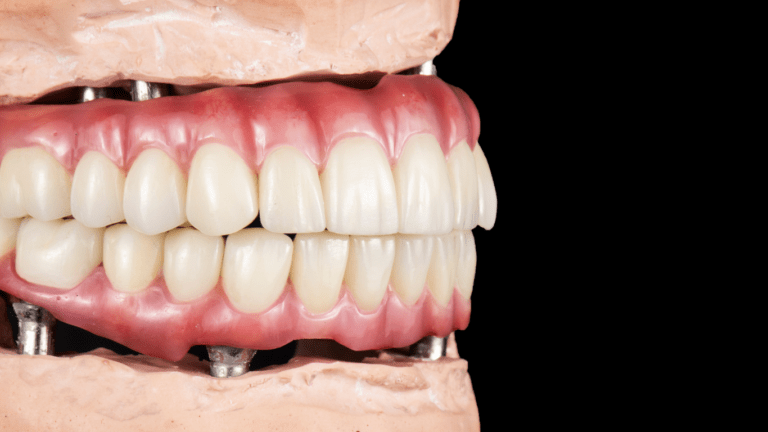
Implant Services Billing: Understanding D6000-D6199 Codes

· 2 min read
Qiaben Health

Implant services billing Click here

Dental billing can be difficult, particularly for implant services. To be precise and proficient in claim submission, it's important to get D6000-D6199 codes level. This guide provides detail about codes to help the billing process and reduce denials and errors.

1. Prologue to Embed Administrations billing

Outline of Dental Inserts:
Dental inserts offer patients a strong, utilitarian, and tasteful answer for tooth substitution.
The Significance of Legitimate Coding:
Exact utilization of D6000-D6199 codes diminishes guarantee refusals, guarantees consistency, and supports smooth income cycles.

**2.**D6000-D6199 Codes: Key Regions

This reach incorporates techniques connected with dental implant position and related administrations, arranged into three essential segments:

Surgeries (D6000-D6099)
D6010: Careful arrangement of an embedded body
D6013: Careful arrangement of smaller-than-usual inserts
D6040: Bone unite at the embed site
D6050: Zygomatic embed arrangement
Projections and Connections (D6100-D6129)

D6056: Pre-assembled projection
D6057: Custom projection
D6091: Substitution of a solitary embed projection
Helpful Methodology (D6130-D6199)

D6066: Embed upheld porcelain crown
D6079: Embed upheld fixed dental replacement for edentulous curve
D6191: Semi-accurate connection for embed/projection

3.Normal Difficulties in Embed Billing

Documentation Necessities:
Clear, itemised clinical documentation is fundamental for guarantee endorsement.
Shifting Insurance Contracts:
Embed inclusion and repayment rules contrast fundamentally between payers.
Pre-treatment Endorsements:
Many embedded systems require pre-approval, which adds intricacy to the interaction.

4.Best Practices for Exact Embed Billing

Check Inclusion Before Treatment:
Affirm protection inclusion to abstain from shocks during claims handling.
Plan Extensive Documentation:
Incorporate all pertinent patient records, radiographs, and treatment plans while submitting claims.
Twofold Actually Look at Code Determination:
Guarantee the picked codes definitively match the carried-out systems.
Remain Refreshed:
Get to know CDT updates to forestall coding blunders.

5.Keeping away from normal billing mix-ups

  **i)**Involving mistaken codes for smaller-than-normal inserts or zygomatic inserts
 **ii)**Neglecting to give pre-treatment documentation
 iii) Excluding required supporting codes 

Conclusion

The D6000-D6199 codes help to improve the proficiency and precision of implant services billing. To execute best practices and provide detailed documentation. The dental processes can reduce claim rejections and errors, largely concentrating on perfect patient care.

Simplifying Maxillofacial Prosthetics Billing: A Guide to D5900-D5999 Codes

· 4 min read
Qiaben Health

Introduction

Maxillofacial prosthetics assume an essential role in reestablishing capability and feel for patients with complex facial and oral distortions. Whether because of injury, malignant growth treatment, or innate circumstances, these prosthetics are indispensable to working on patients' personal satisfaction. In any case, the billing system for maxillofacial prosthetics can be overwhelming, particularly while exploring the D5900-D5999 code range in Current Dental Terminology (CDT). This guide separates these codes, giving lucidity and common sense tips to smooth out your billing cycle.

Simplifying Maxillofacial Prosthetics Billing:

Figuring out maxillofacial prosthetics

Maxillofacial prosthetics include the planning and manufacture of custom gadgets to restore oral and facial deformities. These incorporate obturators, facial prostheses, and taking care of helps. Prosthodontists, with their particular skill, are commonly answerable for making these gadgets to reestablish usefulness, discourse, and appearance.

Outline of D5900-D5999 Codes

The D5900-D5999 codes are created for maxillofacial prosthetics and services. It covers a variety of systems and starts with final adjustments and repairs. Using precise coding is important for reimbursement and avoiding claim denials.

Key Codes and Their Applications

Here is a breakdown of a few ordinarily utilized codes inside the D5900-D5999 territory:

D5925: Facial Prosthesis: Utilized for the creation of prostheses to reestablish facial designs like the nose, ear, or eye.

D5931: Obturator Prosthesis, Careful: Covers the plan and formation of a careful obturator to oversee palatal imperfections.

D5951: Taking Care of Help: Material for gadgets that help patients with taking care of troubles coming about because of oral or facial disfigurements.

D5992: Acclimations to Maxillofacial Prosthesis: Incorporates changes to existing prosthetics to upgrade fit or capability.
Each code requires exact documentation to guarantee appropriate billing. Incorporate definite depictions of the materials, procedures, and clinical motivation behind the prosthesis.

Billing tips for maxillofacial prosthetics

Documentation Best Practices

Give intensive clinical notes, including patient history and symptomatic discoveries.
Incorporate visual proof whenever the situation allows, as this can uphold claims and pre-approval demands.Obviously frame the materials and creation strategies utilized.

Pre-approval Rules

Numerous maxillofacial prosthetics are significant expenses. Acquiring protection pre-approval is critical to keep away from unforeseen monetary weights for both the training and the patient.Present an itemized treatment plan, including projected expenses and supporting documentation.

Guaranteeing Coding Exactness

Twofold actually look at all codes before accommodation to keep away from confusions or oversights.Utilize advantageous codes when appropriate to depict extra methodology or changes.

Exploring Protection Difficulties

Maxillofacial prosthetics frequently fall into a hazy situation among dental and clinical protection inclusion. Cooperation among dental and clinical billing groups is fundamental to amplify repayment open doors. Here are moves toward handling protection challenges:

Distinguish Essential Inclusion: Decide if the prosthetic is bound to be covered under clinical or dental protection.
Offer Dissents: If the claim is disapproved, identify the reason for disapproval and try to submit an extra proof.
Teach Patients: Illuminate patients about expected personal expenses and guide them through funding choices if fundamental.

True Application

Consider a contextual investigation of a patient requiring a careful obturator after maxillectomy. By utilizing D5931 with supporting documentation, the prosthodontist effectively acquired pre-approval and guaranteed repayment. The patient's clinical protection covered the majority of the expense because of the prosthetic's basic job in utilitarian recovery.

Conclusion

Dominating the D5900-D5999 codes is fundamental for working on maxillofacial prosthetics billing. By sticking to best practices in documentation, coding, and protection coordination, dental practices can diminish guarantee disavowals and give ideal consideration to patients. Remain refreshed with coding assets and consider talking with specialists to explore complex cases. Working on billing means improved results for the two patients and practices.

Click here

Prosthodontic Coding Made Easy: Focus on D5000-D5899 Codes

· 5 min read
Qiaben Health

prosthodontic

Accurate dental billing is fundamental for a dental practice's income cycle, particularly with regard to Prosthodontic strategies. Removable prosthodontics, like false teeth and partials, depend on unambiguous coding to guarantee right repayments.The prosthodontics codes services and knowing are an essential for precise dental billing. Using these codes we can understand the common difficulties and how to showcase our billing the best.

What Are D5000-D5899 Codes?

The D5000-D5899 codes are essential for the American Dental Affiliation (ADA) Dental Case Structure, explicitly centered around removable prosthodontics. These codes are utilized to distinguish administrations like full false teeth, fractional false teeth, relines, and changes. Here is a fast breakdown:

Click here

D5000-D5899 covers many techniques, including: 

Complete falseteeth (D5000-D5099**):** Full false teeth that supplant a whole curve of teeth.
Incomplete false teeth (D5200-D5899): Halfway false teeth utilized when a few normal teeth remain.
A few critical instances of these codes include:

D5110: Complete upper dental replacement
D5210: Complete lower dental replacement
D5225: Maxillary fractional dental replacement
D5283: Change in accordance with complete false teeth
D5865: Rebase of complete dental replacement
Each code compares to a particular method, and utilizing the right one guarantees that both the dental office and patient are billed properly.

Normal Coding Difficulties

Notwithstanding their significance, prosthodontic codes can in some cases be confounding. The following are a couple of normal difficulties and how to keep away from them:

1.Inaccurate Code Choice

One of the greatest issues is choosing some unacceptable code for a system. For instance, involving a code for a total dental replacement when a fractional dental replacement was given can bring about a refusal or deferred repayment. Continuously double-check the technique performed and confirm that the right code compares to the help.

2. Documentation Holes

For any technique, documentation is vital. While submitting claims for prosthodontic methods, guarantee that all significant subtleties are incorporated, for example,

The sort of dental replacement (complete, incomplete, reline, or rebase)
Any changes made to the prosthesis
Supporting x-beams or symptomatic data as required
These subtleties aid exact coding as well as help with protection guarantee endorsements.

3. Absence of Information on Insurance Contracts

Different insurance suppliers might have fluctuating contracts on repayment for removable prosthodontics. Some might have explicit prerequisites for the documentation or coding of changes, relines, or fixes. It's fundamental to stay informed about these strategies to keep away from guarantee dissents.

Boosting Repayment with Precise Coding 

Utilizing the right D5000-D5899 codes can essentially further develop the repayment cycle. Exact coding not only guarantees that you're getting compensated for the administrations you give, but it can also assist with diminishing case disavowals and postponements. Here are a few hints to boost repayments:

Know basically everything there is to know about the Normal Codes: 

Comprehend the full extent of D5000-D5899 codes and when each ought to be utilized. This information will decrease mistakes and guarantee you're involving the right code for every technique.
Submit Clean Cases:

Ensure all structures are finished up precisely, and documentation is given when fundamental. A spotless case is handled quicker and with fewer issues.

Actually take a look at Payer Strategies: 

A few guarantors have explicit rules for billing specific sorts of removable prosthodontics. Finding out about every insurance agency's approaches will assist with staying away from pointless dissents.

Circle back to Cases: 

Don't expect cases will be endorsed without an audit. Following up guarantees that any issues are tended to immediately. 

Prosthodontic Coding Best Practices

To keep a smooth and effective coding process for Prosthodontic systems, execute these prescribed procedures:

Preparing for Staff:

Ensure your front-office and billing staff are thoroughly prepared in Prosthodontic coding. The more they comprehend the codes, the less errors will be made.

Use Innovation:

Influence dental billing programming that incorporates worked-in code libraries and consistency checks. Numerous product projects can consequently recommend the right codes, decreasing the opportunity of blunders.

Lay out a survey framework: 

Carry out an interaction where a senior coder or office director surveys the billing codes before claims are conveyed. This guarantees all codes are exact and modern.

Conclusion:

Dominating Prosthodontic coding, especially with the D5000-D5899 codes, is urgent for any dental practice that offers removable prosthodontics. By grasping the codes, staying away from normal blunders, and following prescribed procedures, you can smooth out the billing system, further develop your repayment rates, and lessen guarantee dissents.
As usual, staying aware of the most recent coding updates and payer approaches is critical to progress. Assuming you want help or further preparation on D5000-D5899 codes, make it a point to note—we're here to assist with working on the billing system and further develop your training's income cycle.

Periodontic Billing Made Easy: Understanding D4000–D4999 Codes

· 3 min read
Qiaben Health

Periodontic billing

Periodontics, a particular part of dentistry zeroing in on the designs supporting the teeth, frequently includes complex methodology. Precise billing and coding are basic to guarantee that dental practices are repaid effectively while keeping up with consistency. In this blog, we dig into the complexities of D4000-D4999 codes the normalized set of codes that address different periodontic systems.

Click here

Figuring out Periodontic Codes (D4000-D4999)

The D4000-D4999 territory incorporates strategies connected with the analysis and treatment of periodontal illnesses. These codes are crucial for rehearsals that offer medicines like scaling, root planing, and periodontal medical procedures. How about we investigate the significant classes inside this reach:

Diagnostic Methodology (D4000-D4100)

These codes cover periodontal assessments and diagramming. They are pivotal for laying out a pattern prior to continuing with medicines.
Model: D4341 - Periodontal scaling and root planing per quadrant.

Non-Surgical Periodontal Treatments (D4100-D4300)

Incorporates methodology like scaling and root planing, regularly performed to treat gentle to direct periodontitis.
Model: D4342 - Periodontal scaling and root planing, one to three teeth for every quadrant.

Periodontal Careful Administrations (D4400-D4900)

These codes include more obtrusive medicines like fold a medical procedure, bone uniting, and tissue recovery.
Model: D4260 - Rigid medical procedure, including fold section and conclusion, per quadrant.

Maintenance (D4900-D4999)

Support codes are utilized for follow-up care post-treatment, for example, periodontal support visits.
Model: D4910 - Periodontal upkeep

periodontic billing

Key Bits of Knowledge for Viable Periodontic Billing

Point-by-point documentation

Legitimate documentation is fundamental to legitimize the utilization of explicit codes. Incorporate periodontal graphing, radiographs, and point-by-point treatment notes.

Pre-Approval

For specific codes, pre-approval from protection suppliers can assist with staying away from guarantee dissents.

Packaging and Unbundling

Be mindful of codes that might be packaged. For example, a few surgeries could incorporate related diagnostics or follow-up visits.

Insurance Contract Audit

Comprehend the patient's insurance contract to decide inclusion for periodontal strategies, particularly for cutting-edge medical procedures.

Standard Coding Updates

Dental codes are refreshed every year. Remain informed about changes to try not to utilize outdated or erroneous codes.

Normal Difficulties and How to Beat Them

Guarantee Refusals: If you use the wrong code or inadequate documentation. Try to connect with an experienced billing agency and find the proper solution.

Apparatuses to Smooth out Periodontic Billing

Dental Practice The executives programming: 

The advanced coding and billing processes reduce the errors & claim denials.

Web-based Coding Assets: 

Use devices like the ADA's coding reference advisers to guarantee exactness.

Conclusion:

The periodontic codes mix with advanced, technical knowledge and understanding detailed, proper communication. By applying advanced technologies and upgrading with trends, you can improve dental practices and keep your patient satisfaction.

Endodontic Billing Made Simple: Guide to D3000–D3999 Codes

· 4 min read
Qiaben Health

Streamlining Dental Billing: Insights into Endodontic Codes (D3000-D3999)

Dental billing can often feel overwhelming, especially when it comes to understanding and applying endodontic billing codes accurately. The D3000–D3999 range in the CDT coding system plays a vital role in documenting and getting reimbursed for endodontic procedures. Therefore, in this blog, we will break down these codes, explain their significance, and show how you can simplify the billing process for endodontic treatments.

Click here

What Are Endodontic Codes?

As a result, accurate use of these CDT endodontic codes ensures proper documentation and smooth insurance processing.

Key Categories in D3000-D3999

The D3000–D3999 code set is divided into several subcategories, each representing a different type of endodontic procedure. Below are the most important groups and their commonly used codes.

Diagnostic Methods

D3110: Mash cap, direct (barring last rebuilding)

D3120: Mash cap, aberrant (barring last reclamation)

Root Canal Treatment

D3310: Root canal treatment, front tooth (barring last rebuilding)

D3320: Root canal treatment, bicuspid tooth (barring last reclamation)

D3330: Root canal  treatment, molar tooth (barring last rebuilding)

Endodontic Retreatment

D3346: Retreatment of past root trench treatment, foremost

D3347: Retreatment of past root trench treatment, bicuspid

D3348: Retreatment of past root trench treatment, molar

Apexification/Recalcification

D3351: Apexification/recalcification, beginning visit

D3352: Apexification/recalcification, in-between time prescription substitution

D3353: Apexification/recalcification, last visit

Surgical  Endodontics 

D3410: Apicoectomy/periradicular medical procedure, foremost

D3426: Apicoectomy/periradicular medical procedure, each extra root

Other Endodontic Techniques

D3470: Deliberate reimplantation (counting fundamental bracing)

D3999: Unknown endodontic method, by report

Tips for Accurate Endodontic Billing

Using endodontic billing codes correctly is crucial. Here are practical steps to reduce errors and improve your chances of insurance approval.

Stay Updated on CDT Code Changes

CDT codes are updated every year. Therefore, keeping track of new changes helps prevent claim denials due to outdated codes.

Provide Detailed Documentation

Include complete clinical notes and supporting documents—such as radiographs—to justify procedures. Clear documentation improves transparency and ensures timely reimbursement.

Verify Insurance Coverage

Since insurance plans vary widely, always confirm coverage before performing specific endodontic procedures. This avoids confusion and unexpected out-of-pocket costs for patients.

Use Unspecified Codes Properly

When using codes like D3999, you must submit a detailed report describing the procedure. Otherwise, the claim may be rejected.

Invest in Training and Billing Software

Proper training and modern billing tools help reduce coding errors, improve workflow, and enhance overall efficiency.

Common Challenges in Endodontic Billing

Although endodontic billing is essential, it often comes with challenges:

1. Claim Denials Due to Incorrect Coding

Errors in code selection or incomplete documentation frequently lead to claim rejections.

2. Insurance Limitations

Some insurance plans restrict specific endodontic procedures, making approvals more difficult.

3. Insufficient Documentation

Missing or unclear records can delay reimbursement or result in claim denials.

Instructions to Beat These Difficulties

Lead ordinary reviews of billing processes.Keep up with clear correspondence with the insurance agency and patients.Remain proactive in tending to coding refreshes and administrative changes.

Conclusion:

Accurate use of endodontic billing codes is essential for smooth and successful dental billing. By understanding D3000–D3999 dental codes, documenting procedures clearly, and adopting best practices, you can streamline your billing process and reduce claim denials. Additionally, with proper training and advanced billing tools, your dental practice can significantly improve accuracy and efficiency. Stay proactive, and remember—correct coding is the foundation of effective dental billing!

Restorative Dental Billing Made Easy with D2000–D2999 Codes

· 6 min read
Qiaben Health

Restorative dentistry plays a central role in most dental practices because it focuses on rebuilding damaged teeth and preserving oral function. However, incorrect billing can slow down payments, increase denials, and frustrate both patients and staff. Therefore, understanding CDT codes D2000–D2999 is essential.
This updated guide explains how to use these codes correctly, avoid common mistakes, improve documentation, and protect your practice from audits.

Tables of Contents 

  • Why D2000–D2999 Codes Matter.
  • Top 10 Most-Used Restorative Codes.
  • Common Coding Mistakes to Avoid.
  • When and How to Use D2999 “By Report”.
  • Coverage Limits and How to Check Them.
  • Documentation & Submission Best Practices.
  • Regulatory and Compliance Must-Knows.
  • Tech Tools That Simplify Billing.
  • Staff Training: Stay Sharp with Regular Check-ins.
  • Quality Control: Audit Your Work.
  • Quick Reference Table & Visual Aids.
  • Case Scenarios to Learn From.
  • Final Checklist for Submissions.
  • SEO-Rich FAQs.
  • Wrapping It All Up.

1. Why D2000–D2999 Codes Matter

Using restorative codes accurately is crucial because it:

  1. Avoids Denials and Delays – Many claim rejections occur due to coding errors.

  2. Protects Revenue Integrity – Correct codes help payers process claims smoothly.

  3. Reduces Administrative Work – Fixing errors wastes time and slows down workflow.

  4. Builds Patient Trust – Clear billing reduces unexpected out-of-pocket costs.

  5. Ensures Compliance – Payers review vague or “by report” codes closely.

  6. Improves Staff Skillsets – Well-trained teams raise practice efficiency.

2. Top 10 Restorative CDT Codes You Should Know 

Below are the most commonly billed restorative codes with billing tips:

CodeDescriptionQuick Tip
D23301-surface amalgam/composite fillingMost common—fill > 1 surface?  Use combo.
D23911-surface resin composite front toothPreferred cosmetic code over amalgam.
D2740Porcelain crownEnsure Prep notes and lab slips included.
D2952Cast post & corePair with crown code; attach x-rays.
D2712¾ crown (cast noble metal)Newer code—watch for plan-specific limits.
D2910Re-cement crown/bridgeEvidence of debonding required.
D2930Prefab stainless steel crownCommon in kids—document fracture or decay.
D2950Core buildup, First toothNeeded for retention—support D2740
D2962Labial veneer resin-based compositeAttach shade, prep notes for audit
D2999Unspecified restorative (by report)Rare—must include narrative justification.

3. Common Coding Errors to Avoid

Many errors repeat across practices. To prevent denials:

  • Do not overuse D2999 — It triggers audits when used without justification.

  • Avoid missing paired codes — Crowns often require a supporting core buildup.

  • Reduce unnecessary recement codes (D2910) — Document each case thoroughly.

  • Check frequency limits — Many fillings and crowns have time-based restrictions.

  • Attach complete records — Include radiographs, prep notes, and lab documentation.

4. Correct Use of D2999 (“By Report”)

D2999 should be used only when no accurate code exists.
To improve approval chances:

Use D2999 when:

  • The procedure is new or has no defined CDT code.

  • Materials or techniques are unique or custom.

Required Documentation:

  • A clear description of the service.

  • Clinical justification with supporting evidence.

  • Provider details, date, and narrative.

Red Flags:

  • Frequent use of D2999

  • Missing narrative or attachments

  Simplifying Restorative Dental Billing with D2000-D2999 Codes: Click here

5. Frequency of Coverage & Plan Limitations 

Repair procedures routinely carry frequency limitations:

  • D2330 (fillings): 2–5 years based on plan.
  • D2740 (crowns): Generally covered every 5–10 years.
  • D2910 (recement): Typically every 2 years.
  • D2999: Weighed under "usual and customary" and routinely requires justification.

Tip: Check frequency prior to treatment with real-time payer resources and update patient intake forms with their coverage information.

6. Documentation & Submission Best Practices

Accurate documentation greatly improves claim acceptance. Follow these steps:

  • Use narrative templates to keep submissions consistent.

  • Attach all necessary documents including X-rays, prep notes, and lab slips.

  • Match chart notes to billing codes to avoid discrepancies.

  • Avoid upcoding—only bill for the exact procedure performed.

  • Scrub claims with software tools to catch errors before submission.


7. Compliance Essentials

To stay compliant:

  • Review “by report” codes carefully.

  • Keep payer and state billing guidelines accessible.

  • Update CDT codes annually.

  • Document narrative approvals and patient authorizations.


8. Technology Tools That Simplify Billing

Modern tech makes restorative billing faster and more accurate.

  • Practice management systems send alerts for missing documentation.

  • AI scrubbers identify anomalies before submission.

  • Workflow systems like Trello or Asana improve team coordination.

  • Audit dashboards display code usage patterns and highlight risks.


9. Ongoing Staff Training & Quality Checks

Regular training ensures accuracy. Try these methods:

  • Hold monthly coding refreshers for staff.

  • Run simulated audits to test documentation skills.

  • Encourage chairside collaboration with clinical teams.

  • Review high-value claims before submission.


10. Monthly Quality-Control Checklist

Use the checklist below for internal audits:

  • Verify narratives and images for D2330 fillings.

  • Confirm crown claims include D2950 and radiographs.

  • Limit D2910 submissions to appropriate cases.

  • Keep D2999 below 5% of total restorative claims.

  • Compare plan limits with actual submissions.

11. Quick-Reference Tools

Create easy reference materials such as:

  • Visual charts for code comparison

  • Flowcharts for selecting correct filling codes

  • Checklists for crown and post/core procedures

  • Infographics showing required attachments

12. Real Case Study Insights

Case 1: Midwest Children’s Clinic
After implementing AI claim scrubbing, denied claims decreased by 60%. D2999 audits dropped significantly.

Case 2: East Coast Specialist Group
Weekly coding huddles helped reduce restorative claim errors by 45%.


13. Pre-Submission Checklist

Before sending any restorative claim, confirm:

  • The procedure matches the code used

  • Payer frequency limits are checked

  • Narratives and attachments are included

  • Claim passes scrubber review

  • Senior biller approves high-value claims

  • Claim is properly posted to the clearinghouse


14. SEO-Friendly FAQs

1. When should I use D2999?

Use it only when no defined CDT code fits. Provide a complete narrative and supporting documentation.

2. Are crown photos and lab slips required?

Yes. These help reduce audits and support the necessity of D2740.

3. How often can a crown be re-cemented?

Most plans allow this once every two years.

4. What if a crown payment posts partially?

Review coverage first and appeal the claim if needed.

5. Can fillings be replaced before 2 years?

Yes, but you must provide radiographic proof of new decay or failure.


15. Final Thoughts

Mastering CDT codes D2000–D2999 strengthens your revenue cycle, boosts efficiency, and improves patient experience. With clear documentation, reliable technology, and ongoing training, your practice can dramatically reduce denials and streamline billing.

Stay Ahead with Preventive Dental Billing: D1000-D1999 Code Overview

· 4 min read
Qiaben Health

Preventive codes

Preventive consideration is significant to keeping up with ideal dental health, and understanding dental billing codes is vital to guaranteeing a smooth billing process. The D1000-D1999 code range in dental billing covers preventive administrations that assist with distinguishing dental issues early and keep up with by and large oral health. This blog will give an outline of these codes and how dental practices can utilize them to really smooth out their billing processes.

What Are Preventive Dental Codes?

Preventive dental codes, particularly those falling inside the D1000-D1999 territory, address administrations pointed toward forestalling oral illnesses, early discovery, and keeping a patient's oral health. These codes are utilized for treatment and strategies that assist patients with keeping away from additional mind-boggling and expensive dental issues from here on out.

Click here

Breakdown of the D1000-D1999 Code Reach

D1000 - D1999: These codes envelop various preventive medicines, including, however, not restricted to:

D1000- Thorough oral testsD1200 - D1299 - Preventive techniques like cleanings, fluoride medicines, and sealants
D1400 - Preventive treatments for explicit circumstances
D1500 - Space maintainers and other protection gadgets

Normal Preventive Administrations Covered by these Codes

1. Oral Evaluations (D0100 - D0199)

  • D0120 - Periodic Oral Evaluation (established patients)
  • D0150 - Comprehensive Oral Evaluation (new or existing patients with significant dental issues)
  • D0180 - Comprehensive Periodontal Evaluation (patients with periodontal disease)

2. Preventive Services (D1000 - D1999)

      Prophylaxis (Cleanings)
  •   D1110 - Prophylaxis (Adult)
  •    D1120 - Prophylaxis (Child)
      Topical FluorideTreatment
  •  D1206 - Topical Fluoride Varnish (prescription strength, in-office)
  •  D1208 - Topical Fluoride Application (excluding varnish)
      Sealants (For Decay Prevention)
  • D1351 - Dental Sealant (per tooth)
      Preventive Counseling & Nutritional Guidance
  • D1310 - Nutritional Counseling for Control of Dental Disease
  • D1330 - Oral Hygiene Instructions
      Space Maintainers (for children)
  • D1510 - Fixed Space Maintainer (unilateral)
  • D1516 - Space Maintainer (bilateral, maxillary)
  • D1517 - Space Maintainer (bilateral, mandibular)

Preventive codes

Significance of Right Coding for Preventive Administrations:

**Exact billing for preventive administrations is basic for both dental suppliers and patients. Right coding guarantees:
**

Quicker repayments:

 Appropriate utilisation of preventive codes guarantees ideal protection repayments.

Decreased mistakes:

 Utilising the right code keeps away from disavowals or deferred claims.

Patient fulfilment: 

Proper and accurate billing practices will help to get the trust from patient sides.

Best Practices for Overseeing Preventive Dental Billing:

 Remain Refreshed on Code Changes:

 Dental billing codes might change every now and then. Ensure your training knows about the most recent codes and billing prerequisites to guarantee consistency and exactness.

Utilise the Right Code for the Right Help: 

Every code is allocated for specific codes, so avoid doing incorrect codes.

Teach Your Staff: 

Guarantee that dental colleagues, office directors, and billing faculty are knowledgeable in the D1000-D1999 code to limit blunders.

Challenges in Preventive Dental Billing:

Despite the straightforward nature of preventive care, there are still some problems 

Guarantee Dissents: 

Assuming some unacceptable code is utilised or the system is mistakenly reported, it can bring about guarantee refusals.

Insurance Contract Varieties: 

Not all backup plans might cover similar preventive administrations, so checking inclusion prior to performing treatments is significant.

Conclusion

Remaining in front of preventive dental Billing with a top-to-bottom comprehension of the D1000-D1999 code reach will assist with smoothing out your training's activities, lessen blunders, and further develop repayment processes. Precise coding for preventive administrations guarantees that patients get convenient consideration and that dental workplaces get compensated quickly. Keeping your group taught on these codes will uphold the training's prosperity and add to a positive patient encounter.

Understanding Diagnostic Codes (D0100-D0999) and Their Role in Healthcare:

· 5 min read
Qiaben Health

Diagnostic codes

In the healthcare field, precise coding plays a major role in billing and maintaining patient documentation and care. Many coding systems are used all over the world; the International Coding of Disease (ICD) is important. Diagnostic codes influence the oral cavity and applicable designs. The ICD-10 CM assumes a significant part for healthcare suppliers. The insurance agency and patients are totally consolidated and comprehend the ailments, treatment plans, and charging processes. At Qiaben Health, understanding and definitively applying the diagnostic codes is critical to guarantee top-notch care, diminish messes with, and smooth out the healthcare process.

What Are Diagnostic Codes D0100-D0999?

The codes in the D0100 to D0999 territory are explicitly allocated to conditions influencing the oral hole, including teeth, gums, and related structures. These circumstances can incorporate everything from straightforward dental issues to complex oral medical conditions that could include fundamental infection influences. These diagnostic codes are ordered under "Illnesses of the Oral Cavity, Salivary Organs, and Jaws" inside the ICD-10 framework.

Here is a breakdown of the kinds of conditions these diagnostic codes cover: 

Click here

Illnesses of the Teeth and Supporting Designs:

D0100-D0199 principally connects with conditions, for example, tooth rot, gum disease, and different illnesses that influence the teeth and gums. For instance, D0100 covers intense periodontal illness while D0199 can allude to a vague state of the teeth and supporting designs. 

Illnesses of the Salivary Organs: 

These circumstances allude to messes influencing the salivary organs, which assume an imperative part in processing and oral well-being. D0200-D0299 incorporates findings, for example, sialolithiasis (salivary stone) and sialadenitis (irritation of the salivary organs). 

Sicknesses of the Jaws: 

This classification includes messes influencing the bones and designs of the jaw. It can incorporate circumstances like temporomandibular joint disorders (TMJ), which influence the jaw and facial muscles. These are coded in the D0300-D0399 territory.

Congenital fissure and sense of taste: 

D0400-D0499 alludes to inherent circumstances like congenital fissure and congenital fissure, which are conditions that influence the improvement of the upper lip and top of the mouth. 

Other Oral and Maxillofacial Circumstances: 

This incorporates a scope of random circumstances that influence the mouth, throat, and related structures, like oral disease, oral ulcers, and harmless neoplasms. These are basically coded in the D0600-D0999 territory.

Why Are Diagnostic Codes Significant in Healthcare?

Precise Diagnostic and Treatment: 

Diagnostic codes permit healthcare services suppliers to report and classify patient circumstances precisely. By doling out an exact code to an oral medical problem, experts can tailor therapy plans and intercessions in view of the particular requirements of the patient. This works on understanding results as well as helps in keeping away from misdiagnosis or deferring treatment. 

Protection and Charging: 

Diagnostic codes assume a fundamental part in the charging system. Insurance agencies require exact codes to handle claims. Without the right diagnostic codes, the cases might be denied, and patients could confront higher personal costs.The Qiaben Health promises accurate coding for all treatments. 

Following Wellbeing Patterns: 

Medical care associations utilize analytic codes to screen and track general wellbeing patterns. By gathering information on the recurrence of explicit judgments, associations can recognize arising wellbeing dangers and allot assets as needs be. 

Examination and Information Assortment: 

Scientists depend on exact analytic coding to direct investigations and dissect wellbeing results. Analytic codes assist medical care scientists with distinguishing examples and patterns, which is especially valuable while concentrating on the viability of therapies or the commonness of specific circumstances across various socioeconomics.

Administrative Consistency: 

Exact coding guarantees are consistent with medical care guidelines, like those set by the Habitats for Federal Medical Care and Medicaid Services (CMS) and the Health Insurance Portability and Accountability Act (HIPAA). Legitimate analytic coding permits Qiaben Medical services arrangements and other medical services suppliers to keep away from punishments, reviews, or consistency issues. 

The Job of Analytic Codes in Oral Wellbeing at Qiaben Healthcare:

Diagnostic codes

At Qiaben Health Arrangements, we perceive the significance of keeping up with oral wellbeing and the association it needs to generally speak prosperity. Numerous fundamental sicknesses, including coronary illness and diabetes, are connected to unfortunate oral health. By executing precise symptomatic coding, Qiaben Health guarantees that oral medical issues are appropriately distinguished and treated sooner rather than later. 

Our group of experts follows severe conventions for analytic coding and documentation, guaranteeing that each quiet's oral wellbeing status is plainly imparted across medical services groups. Whether it's a standard exam, the treatment of gum illness, or a complex surgery including the jaw, Qiaben Wellbeing ensures that every determination is upheld by the right code, working with ideal consideration conveyance.

Conclusion

Diagnostic codes going from D0100 to D0999 are imperative for classifying and archiving oral ailments, guaranteeing exact determination, treatment, and charging in medical care settings. The Qiaben Health knows about the importance of diagnostic codes, so they are giving high-quality care and proper operations. To execute precise diagnostic code, Qiaben Health is improving patient trust and financial status and encouraging long-term health processes. Qiaben Health supports advanced technology, and all the patients get customized and proper treatment procedures for diagnostic codes. They concentrate on better healthcare management.